
Trees
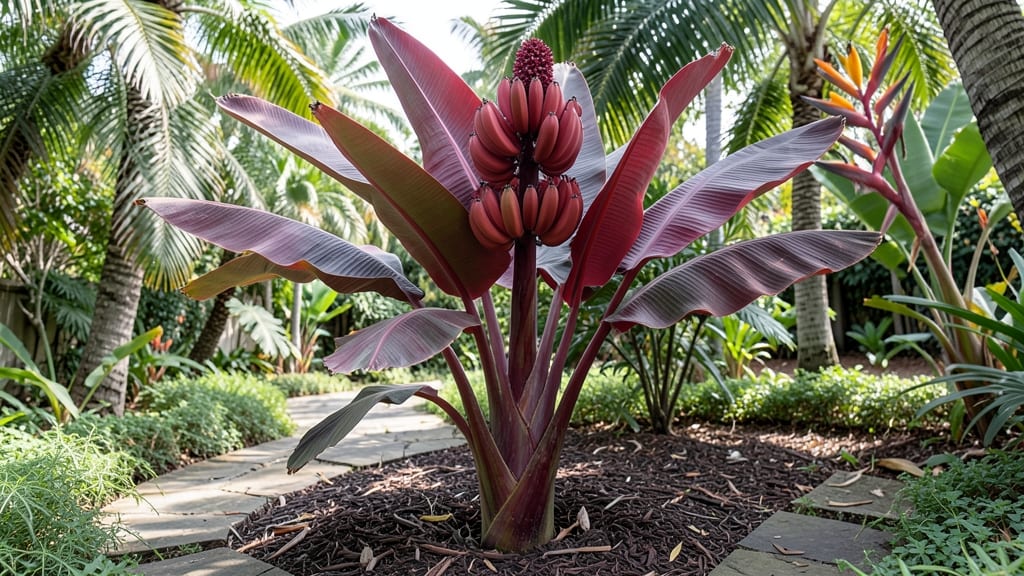
Red banana tree height by variety: dwarf vs giant growth comparison
If you're dreaming of a stunning red banana tree in your garden, the first question is usually: how tall will it grow? The answer depends entirely on the variety you choose. Some red banana trees reach towering heights, while others stay manageable for smaller spaces.
Let me break down the most common types and their mature sizes so you can pick the perfect fit for your yard.
Most red banana trees belong to the Musa acuminata family, specifically the 'Red Dacca' variety, which is the classic giant. But there are also dwarf varieties and hybrid types that grow much smaller. Understanding these differences will help you plan your garden layout and avoid overcrowding issues later.
Here’s a quick look at what to expect from popular red banana varieties. The comparison table below highlights their mature heights, growth rates, and ideal climates to help you decide which one suits your space and conditions.
The Red Dacca is the classic giant, often reaching 15–20 feet tall in ideal conditions. This variety thrives in tropical climates and can produce bright red bananas that are sweeter than commercial varieties.
However, its massive size makes it unsuitable for small yards or containers unless you’re prepared for regular pruning.
If you’re working with limited space, consider the Dwarf Red hybrids, which typically max out at 6–10 feet. These are perfect for containers or patio gardens and still produce delicious fruit.
They grow more slowly, making them easier to manage for beginners. Just remember, even dwarf varieties need full sun and well-draining soil to thrive.
For a middle-ground option, the Ice Cream Banana and Bluggoe varieties strike a balance. They grow 10–15 feet tall and are hardier in cooler climates than pure tropical types. These are great choices if you want a taller tree without committing to a full-size Red Dacca.
One common misconception is that all red banana trees grow into giants. In reality, proper pruning and container growing can significantly control height. For example, a Red Dacca in a large container (15+ gallons) may only reach 8–10 feet if pruned regularly.
Always check the root ball size and pot depth when planning for container growth.
When choosing a variety, also consider your local climate. Red banana trees are frost-sensitive and will die back if temperatures drop below 30°F. In cooler zones, opt for dwarf varieties or grow them in pots that can be moved indoors during winter.
A greenhouse or sunroom can extend the growing season for these tropical beauties.
Now that you know the height ranges, the next step is ensuring your garden has enough space. Proper spacing between trees is crucial for airflow, fruit production, and long-term health. Let’s dive into the ideal spacing requirements to keep your red banana trees thriving without overcrowding.
Proper spacing requirements to prevent overcrowding and maximize fruit production
Red banana trees (Musa acuminata 'Red Dacca') need ample space to thrive, especially as they mature into towering giants. Standard varieties can reach 15-20 feet tall with equally wide canopies, while dwarf varieties (like 'Ice Cream Banana') stay between 8-12 feet.
Proper spacing ensures optimal airflow, reduces disease risk, and maximizes fruit production.
For standard red banana trees, plant them 12-15 feet apart in rows spaced 15-20 feet apart. This accounts for their sprawling root systems and wide-reaching branches.
In smaller gardens, opt for dwarf varieties and space them 6-8 feet apart—they’ll still produce fruit but with less vertical dominance.
🌱 Pro Tip: Always plant red banana trees near a support structure (like a trellis or fence) if your space is limited. Their heavy fruit clusters can weigh branches down, causing damage.
Red Banana Tree Spacing Guide
| Variety | Mature Height | Spacing (Apart) | Row Spacing |
|---|---|---|---|
| Standard (Red Dacca) | 15-20 ft | 12-15 ft | 15-20 ft |
| Dwarf (Ice Cream Banana) | 8-12 ft | 6-8 ft | 8-10 ft |
| Container-Grown | 5-8 ft (pruned) | N/A (potted) | N/A (potted) |
Note: Adjust spacing for cooler climates—trees grow slower and may need less room.
Overcrowding leads to competition for nutrients and increased pests. If you’re planting multiple trees, consider interplanting with shallow-rooted crops (like sweet potatoes or peppers) to utilize space efficiently. Just avoid planting them too close to the banana tree’s drip line (the outer edge of its canopy).
In container gardens, red banana trees can be grown in large pots (20+ gallons), but they’ll need regular pruning to control height. Choose a fast-draining mix with compost to mimic tropical soil conditions.
Containers also allow you to move the tree indoors during frost warnings in zones below USDA 10.
🌿 Remember: Red banana trees thrive in warm climates (USDA zones 10-12). In cooler areas, plant them near south-facing walls or use row covers to extend the growing season.