
How To
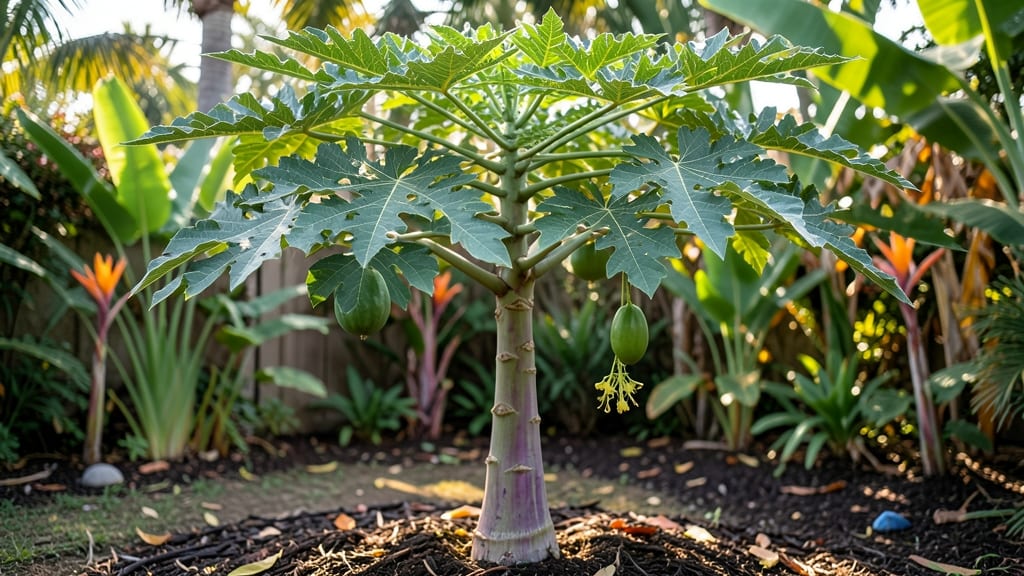
Wondering how tall your papaya tree could grow? These tropical beauties 🌴 can shoot up to 30 feet in ideal conditions, but their height depends on variety, climate, and care—so let’s break down what to expect and how to manage it.
If you’re dreaming of homegrown papayas, you’ll love that some varieties reach harvestable size in just 6-8 months, while others take nearly a year. The key? Choosing the right type for your space—whether you’ve got a sprawling backyard or a cozy balcony.
In this guide, I’ll share the fastest-growing papaya varieties, space-saving tips for containers, and pruning tricks to keep your tree under control. You’ll learn how sunlight, soil, and even your watering habits can influence height—and how to optimize everything for a bountiful harvest.
Ready to turn your garden into a tropical paradise? Let’s dive into the secrets of growing papayas that don’t just thrive, but soar—without taking over your yard.


Papaya tree height guide: how tall they grow by variety
Papaya trees are tropical giants that can reach staggering heights, but their growth rate and mature size depend heavily on the variety you choose. Most standard papaya trees grow between 10 to 30 feet tall, with some varieties like Red Maradol topping out at 25 feet or more.
If you're working with limited space, understanding these height differences will help you plan your garden layout or container setup.
For example, the SunUp variety is one of the fastest-growing papayas, reaching 6 to 10 feet in just 6 to 8 months. This makes it ideal for gardeners in warmer climates who want a quicker harvest.
Meanwhile, dwarf varieties (though rare) can stay under 10 feet, making them suitable for patios or small backyards. Always check the seed packet or plant tag for specific height expectations—it’s the best way to avoid surprises.
🌱
| Variety | Mature Height | Growth Speed | Best For |
|---|---|---|---|
| SunUp | 6–10 ft | Fast (6–8 months) | Containers, small yards |
| Solo | 12–15 ft | Moderate (8–10 months) | Backyards, tropical climates |
| Red Maradol | 15–25 ft | Slow (10–12 months) | Large gardens, warm zones |
| Kapoho Solo | 10–12 ft | Fast (6–9 months) | Urban gardens, greenhouses |
Climate plays a huge role in how tall your papaya tree will grow. In tropical zones (USDA 10–12), papayas thrive year-round and can reach their full height potential.
However, in cooler zones (like Zone 9b), growth slows significantly, and trees may stay shorter unless you provide protection like a greenhouse or move potted trees indoors during winter. Even in ideal conditions, a papaya’s first year is critical—expect only 3 to 5 feet of growth during this time.
If you’re growing papayas in containers, height can be controlled more easily, but root space is still essential. A 15-gallon pot is the minimum for a young tree, and you’ll need to repot every 1–2 years as the roots expand.
Without proper container size, the tree may grow leggy and weak, struggling to support its own weight. Always use a pot with drainage holes and a well-draining soil mix to prevent root rot, which can stunt growth entirely.
Another factor to consider is pruning. While papayas don’t require heavy pruning like fruit trees, strategic cuts can encourage bushier growth and prevent the tree from becoming top-heavy.
For instance, pinching back the top growth when the tree reaches 4 to 5 feet tall can stimulate side branches, reducing the overall height while increasing fruit production. Just avoid over-pruning, as this can stress the tree and delay fruiting.
For gardeners in small spaces, dwarf varieties aren’t common, but you can still manage height with a combination of container growing and regular pruning. Place your container in a sunny spot and rotate it occasionally to ensure even growth.
If you notice the tree leaning toward the light, gently adjust its position to keep it upright. With the right care, even a 10-foot papaya tree can thrive in a patio garden, provided it has enough space to spread its roots and access to plenty of sunlight.
🌿
One common mistake is assuming all papaya trees grow at the same rate. SunUp and Kapoho Solo are exceptions—they mature faster and stay shorter, making them perfect for beginners or those with limited space. Meanwhile, varieties like Red Maradol are better suited for larger properties or commercial growers.
Always research the specific variety before planting, as height and growth speed can vary dramatically. For example, a Red Maradol might take nearly a year to reach harvestable height, while a SunUp could be ready in half that time.
If you’re growing papayas for commercial purposes, height control becomes even more critical. Tall trees require more maintenance, such as staking or trellising, to support their weight and prevent breakage during storms. In large-scale operations, growers often prune aggressively to keep trees manageable while maximizing fruit yield.
For home gardeners, the goal is simpler: balance height with space and sunlight to ensure a healthy, productive tree.
🪴
How to control papaya tree height: pruning tips for small spaces
Papaya trees grow fast—sometimes too fast for small yards or containers. If you’re worried about a 20-foot monster taking over your patio, pruning is your best friend. The key is timing and technique to keep your tree manageable without sacrificing fruit.
I’ve pruned my own papaya trees for years, and I’ll share exactly how to do it right.
Start pruning when your tree reaches 3–5 feet tall, which usually happens in its first year. This encourages a bushier shape and prevents leggy growth.
Use clean, sharp pruners to cut just above a leaf node—never leave stubs. The goal is to redirect energy toward lateral branches where fruit develops.
Cut out suckers (shoots growing from the base) to focus energy on the main trunk. These compete with fruit production and make the tree top-heavy.
Prune overly long branches to encourage bushiness. Aim to keep primary branches within 6–8 feet of the ground for easier harvesting.
Remove crowded leaves to improve airflow and reduce disease risk. Focus on the lower canopy to let sunlight reach the base.
Lightly trim spent fruit stalks and weak growth after harvest to prep for the next cycle. Avoid heavy pruning in late summer—it stresses the tree before winter.
Never prune more than 20–30% of the tree at once, or you’ll shock it. I once over-pruned my papaya and lost half its leaves—it took months to recover!
If you’re growing in a container, prune more aggressively to control height, but upgrade to a 15-gallon pot minimum for mature trees.
For small-space gardeners, consider dwarf-like varieties like SunUp, which maxes out at 8–10 feet with proper pruning. Pair this with regular fertilizer applications (like a 10-10-10 blend every 6 weeks) to keep growth strong but controlled. Mulch around the base to retain moisture and reduce stress.
Watch for new shoots after pruning—these are your tree’s way of rebounding. Redirect these toward the center to create a balanced shape. With patience, your papaya tree will stay tall enough for fruit but short enough for your space.
Just remember: prune early, prune often, and always use sterilized tools to avoid disease.