
Trees
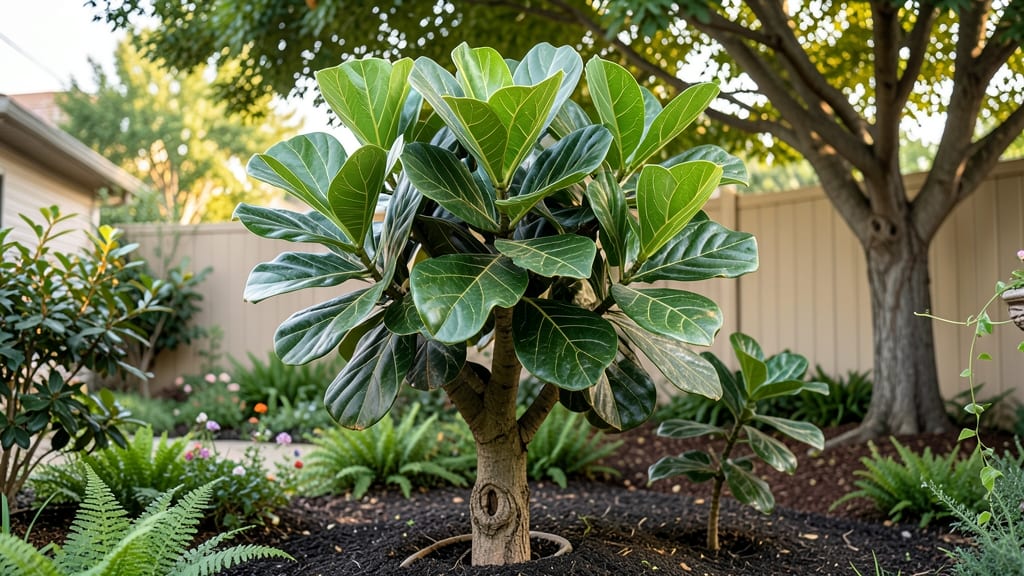
If you’ve ever wondered how tall do fiddle leaf fig trees grow—and whether your ceiling will soon need an upgrade—you’re not alone. These striking tropical plants have a natural height range that surprises many indoor gardeners, especially when comparing indoor versus outdoor growth.
The good news? With the right care, you can shape your fiddle leaf fig’s height to fit your space. Indoors, most mature plants reach 6 to 10 feet, but their growth rate depends on light, pruning, and even your pot size.
Without proper guidance, that 10-foot ceiling could become a problem faster than you think.
But here’s the secret: controlling height isn’t just about trimming branches. It’s about understanding how light exposure, seasonal changes, and even watering habits influence vertical growth. I’ll break down the science behind it—so you can keep your plant lush, manageable, and thriving for years.
Whether you’re dealing with a 6-foot giant or a compact 4-foot beauty, the key is knowing when to intervene. Let’s dive into the care strategies that’ll keep your fiddle leaf fig at your ideal height—without sacrificing its stunning foliage.


Natural height range of fiddle leaf fig trees: indoor vs outdoor growth differences
Fiddle leaf figs (Ficus lyrata) are stunning tropical plants that can grow into impressive trees—but their height depends entirely on where you grow them.
Indoors, these plants typically reach 6 to 10 feet at maturity, while outdoors in ideal conditions, they can tower up to 15 to 20 feet. The difference comes down to space, light exposure, and care routines.
The indoor growth rate is slower due to limited space and controlled environments. Most fiddle leaf figs grow 1 to 2 feet per year indoors, while outdoor specimens can shoot up 3 to 5 feet annually with abundant sunlight and nutrients. Your plant’s height potential starts with its environment.
Here’s how to visualize the growth differences based on your setup:
| Growth Factor | Indoor Growth | Outdoor Growth |
|---|---|---|
| Mature Height | 6–10 ft | 15–20 ft |
| Annual Growth | 1–2 ft/year | 3–5 ft/year |
| Light Needs | Bright indirect light | Full sun (6+ hours) |
| Pot Size Impact | Root-bound = slower growth | Unrestricted soil = rapid growth |
| Pruning Needs | Frequent to control height | Minimal (natural shape) |
Light exposure is the biggest factor influencing height. Indoors, fiddle leaf figs stretch toward light sources, creating leggy growth if placed too far from windows. Outdoors, they develop thicker stems and denser foliage due to consistent sunlight.
If your plant is indoors, aim for 6+ hours of bright, indirect light daily to encourage balanced growth.
Pot size also plays a role. Fiddle leaf figs in smaller pots grow slower because their roots are restricted, while larger containers allow for more vigorous growth. If you want to control height indoors, choose a pot that’s only 2–3 inches wider than the root ball.
This subtle restriction encourages bushier growth rather than vertical spikes.
Another key consideration is seasonal growth cycles. Fiddle leaf figs grow most actively in spring and summer when they receive more light. During these months, expect faster height increases if conditions are ideal. In fall and winter, growth slows naturally, making it easier to manage height with minimal pruning.
Outdoors, fiddle leaf figs thrive in USDA Zones 10–12 or as temporary summer additions in cooler climates. Without winter protection, they’ll die back, but their woody stems can regrow from the base if the roots survive. This resilience explains why outdoor specimens often outgrow indoor counterparts.
If you’re growing your fiddle leaf fig indoors and notice rapid vertical growth, it’s likely a sign of overwatering or excessive fertilizer. Both can stimulate unchecked height increases. Always let the top 1–2 inches of soil dry out between waterings to maintain a healthy balance.
For those with ceiling height concerns, strategic pruning in late winter or early spring can reset growth patterns. Simply trim back 1/3 of the tallest stems just above a leaf node. This encourages fuller, bushier growth while keeping your plant at a manageable height.
🌿
Natural height range of fiddle leaf fig trees: indoor vs outdoor growth differences
Your fiddle leaf fig (Ficus lyrata) can grow dramatically differently depending on whether it's indoors or outdoors. In ideal outdoor tropical conditions, these trees reach 15-20 feet tall in their natural habitat.
However, most indoor fiddle leaf figs top out at 6-10 feet due to limited space and controlled environments.
The key difference lies in light exposure and space availability. Outdoors, they stretch toward sunlight and develop strong vertical growth. Indoors, their height is often constrained by ceiling heights and pot sizes, but with proper care, they can still become impressive statement plants.
| Growth Factor | Indoor Conditions | Outdoor Conditions |
|---|---|---|
| Mature Height | 6-10 ft | 15-20 ft |
| Growth Rate | 6-12 inches/year | 12-24 inches/year |
| Light Needs | Bright indirect | Full sun to partial shade |
| Space Constraints | Ceiling height | Unlimited |
Understanding these differences helps you set realistic expectations. For example, if your ceiling is only 8 feet tall, you'll need to prune regularly to maintain a manageable size. Meanwhile, outdoor fiddle leaf figs in frost-free zones can grow much taller without intervention.
Another critical factor is pot size. Root-bound plants grow faster vertically as they compete for nutrients. Using a 12-inch pot for a young plant can slow vertical growth while encouraging bushier foliage. This is especially useful for indoor growers who want to keep their plants under control.
Light intensity also plays a role. In low-light conditions, fiddle leaf figs grow taller and leggier as they stretch toward any available light source. Positioning your plant near a south-facing window or using grow lights can help maintain a more compact, fuller shape.
Remember that even indoors, your fiddle leaf fig can reach its maximum height potential if given proper care. With the right balance of light, pruning, and pot size, you can guide its growth to fit your space perfectly while still enjoying its stunning foliage.