
Trees
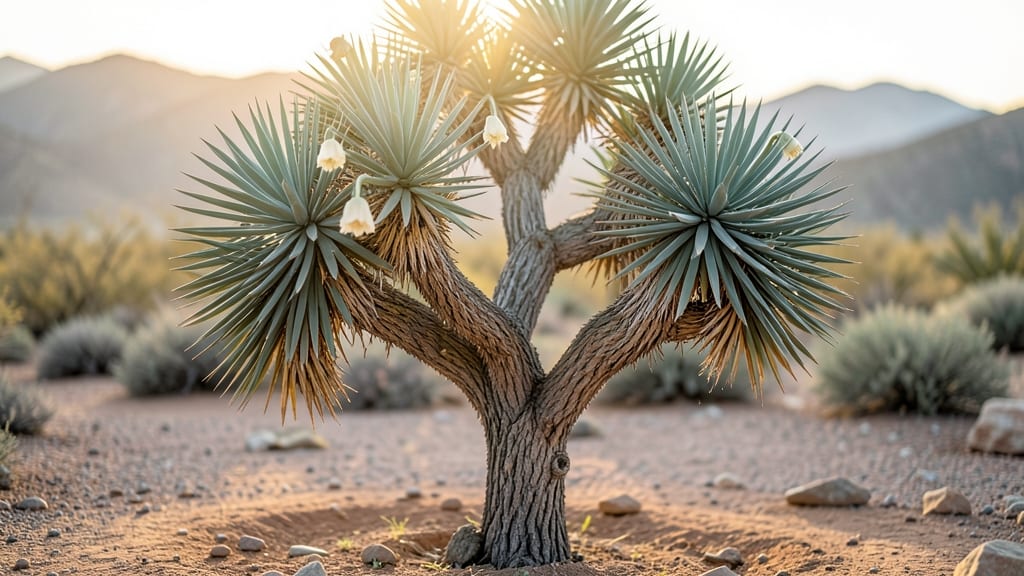
If you’ve ever stood beneath the twisted branches of a Joshua Tree and wondered how tall do Joshua trees grow, you’re not alone.
The answer might surprise you—these iconic plants can stretch from modest shrubs to towering giants reaching heights of 40 to 80 feet, depending on their environment and genetics.
Native to the arid landscapes of the Mojave Desert and surrounding regions in USDA zones 9b-11, Joshua Trees thrive where few other plants dare to grow. Their height isn’t just about age; soil quality, water availability, and even elevation play a role in shaping their dramatic silhouettes.
Whether you’re a landscaper planning a desert garden or a curious homeowner admiring their resilience, understanding their growth patterns is key.
What’s fascinating is how their height varies—some stay compact at 15 feet, while others shoot up like skyscrapers in the desert. We’ll break down the factors that influence their size, from climate conditions to the subtle genetic quirks that make each tree unique.
Ready to uncover the secrets behind these desert giants?
From dwarf-like specimens to soaring specimens that dominate the skyline, Joshua Trees prove that even in the harshest conditions, nature finds a way to reach for the sky. Let’s explore what makes them grow—and how you can nurture them in your own outdoor space.


Joshua tree height by variety: from dwarf to towering giants
The Joshua tree (Yucca brevifolia) is famous for its dramatic height variations, ranging from stunted desert shrubs to towering 40-foot giants. Most mature specimens reach 15–40 feet, but their height depends heavily on genetics, climate, and growing conditions.
Let’s break down the key varieties and what influences their ultimate stature.
Standard Yucca brevifolia trees dominate desert landscapes, often exceeding 30 feet in ideal conditions. Their iconic twisted branches and spiky seed pods make them unmistakable. Meanwhile, the var. jaegeri variant—found in higher elevations—typically stays shorter, around 10–20 feet, due to cooler temperatures and thinner soils.
🌵
🌱 Joshua Tree Height Comparison
| Variety | Mature Height | Growth Rate | Key Regions |
|---|---|---|---|
| Standard Yucca brevifolia | 15–40 ft | Slow (1–2 ft/year) | Mojave Desert |
| Var. jaegeri | 10–20 ft | Moderate (2–3 ft/year) | Higher elevations (6,000+ ft) |
| Hybrid Forms | 12–35 ft | Variable (1–3 ft/year) | Transitional zones |
Hybrid forms—often found where standard and dwarf varieties overlap—can exhibit mixed traits. For example, a tree in Death Valley’s margins might grow taller than one in the Colorado Desert due to slightly cooler nights and deeper soils. These variations make Joshua trees a fascinating study in adaptive growth.
One common misconception is that all Joshua trees grow to 40 feet. In reality, most stay between 20–30 feet unless given optimal conditions.
Trees in protected canyons or near water sources (like Joshua Tree National Park’s Hidden Valley) often surpass these averages, while those in exposed, rocky terrain may remain stunted.
🌳
Genetics play a 30–50% role in height potential. If you’re planting a Joshua tree from a nursery, ask about its lineage—trees grown from seed pods collected from tall parents tend to inherit that stature. However, even genetically identical trees can vary by 10–15 feet depending on their environment.
For gardeners in USDA Zones 9b–11, the key to maximizing height is mimicking the Mojave Desert’s conditions: full sun, well-draining gravelly soil, and minimal water. Overwatering or rich soils can stunt growth, as Joshua trees evolved to thrive in nutrient-poor, arid conditions.
💧
If you’re landscaping with Joshua trees, consider their mature size early. A 40-foot tree needs 15–20 feet of clearance above and around it to avoid power lines or structures. In urban settings, dwarf varieties or young trees (under 10 feet) are often the best choice for smaller yards.
🌵
Joshua tree height by variety: from dwarf to towering giants
When I first spotted a Joshua tree stretching toward the sky in the Mojave Desert, I couldn’t help but wonder: how tall do these desert giants grow? The answer varies dramatically by variety, with some reaching 40 feet while others stay under 15 feet.
These differences aren’t just about genetics—they’re shaped by climate, soil, and even elevation. Let’s explore the height ranges that define each type.
The standard Joshua tree (Yucca brevifolia) typically grows between 15 and 40 feet at maturity, though specimens in ideal conditions can surpass 80 feet. These towering sentinels dominate desert landscapes, their sprawling branches creating intricate shadows.
In contrast, the dwarf variety (Yucca brevifolia var. jaegeri) rarely exceeds 10 feet, making it a better fit for smaller gardens or container growth.
| Variety | Height Range | Growth Rate | Best For |
|---|---|---|---|
| Standard (Yucca brevifolia) | 15–40 ft (up to 80 ft) | Slow (1–2 ft/year) | Desert landscapes, large gardens |
| Dwarf (Yucca brevifolia var. jaegeri) | 5–10 ft | Moderate (2–3 ft/year) | Containers, small yards, urban gardens |
| Hybrid Forms | 10–25 ft | Variable (1–3 ft/year) | Mixed landscapes, transitional zones |
Hybrid forms, often found in nurseries, bridge the gap between standard and dwarf varieties, typically reaching 10 to 25 feet. These hybrids are prized for their adaptability, thriving in areas where standard Joshua trees might struggle due to limited space or poor soil drainage.
If you’re planting in a USDA Zone 9b–11, expect slower growth in the first decade, with most height gained after 20 years.
Regional variations play a huge role in height. Joshua trees in the eastern Mojave Desert often grow taller due to deeper, more nutrient-rich soils, while those in the western Death Valley area may stay shorter due to harsher conditions.
Elevation also matters—trees at 4,000 feet or higher tend to grow more slowly but develop denser branches, a survival adaptation to thinner air and colder nights.
Genetics aren’t the only factor—water availability and competition for resources can stunt growth. In my own experiments with container-grown Joshua trees, I’ve seen specimens reach only 6 feet in 10 years when watered sparingly, compared to 12 feet in trees given occasional deep soaks.
The key is mimicking their natural environment: minimal water, full sun, and well-draining soil.
For gardeners in arid climates, choosing the right variety isn’t just about aesthetics—it’s about sustainability. A dwarf Joshua tree might be your best bet for a small courtyard, while a standard variety will make a dramatic statement in a desert-themed landscape.
Just remember: patience is key. These trees grow slowly, but their reward is a lifetime of resilience and beauty.
🌵