
How To
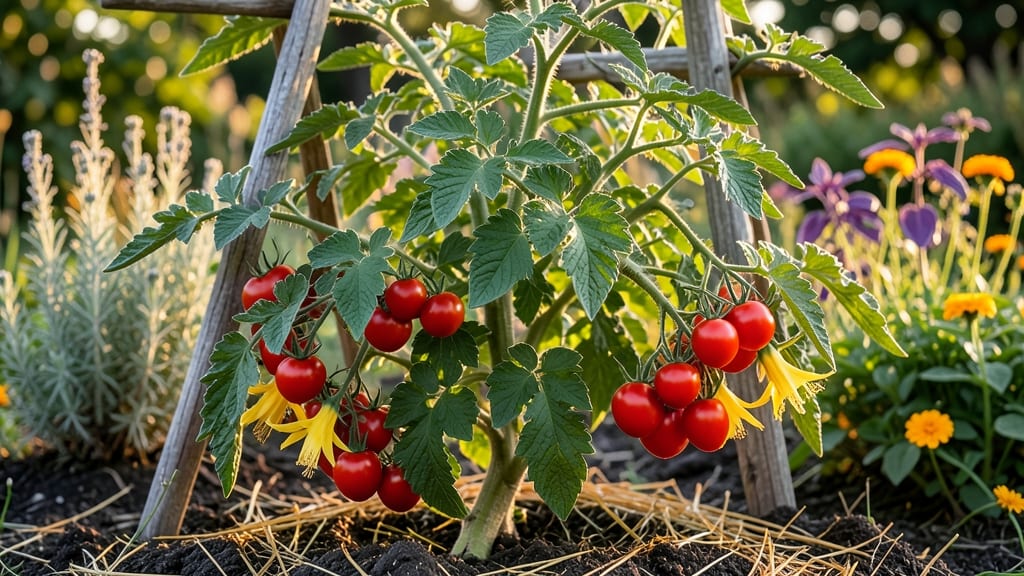
Large red cherry tomato height guide: vining vs bush varieties explained
When I first planted large red cherry tomatoes, I was shocked to see some varieties climbing my fence while others stayed neatly contained. The difference? Indeterminate vs. determinate growth habits. Understanding these will help you choose the right variety for your space and maximize your harvest.
Most large red cherry tomatoes fall into two main growth categories: indeterminate vining types (6-10 feet tall) and determinate bush types (2-4 feet tall). The height difference isn't just about space—it affects how you'll prune, support, and even harvest your tomatoes.
The indeterminate varieties (like 'Sungold' or 'Sweet Million') keep growing until frost, producing fruit all season long. Their vine-like growth means they'll need trellises or cages to reach their full potential height of 8-10 feet in ideal conditions.
Meanwhile, determinate types (like 'Roma' or 'Celebrity') grow to a fixed height of 3-4 feet and set all their fruit at once.
Here's where it gets tricky: Even within "large red cherry" tomatoes, you'll find hybrid varieties that bridge these categories. Some cherry tomatoes labeled as "large" might actually stay compact at 3-4 feet while still producing 1.5-inch fruits. Always check the seed packet for height ranges—it's your best guide.
| Variety Type | Mature Height | Growth Pattern | Fruiting Habit | Support Needed |
|---|---|---|---|---|
| Indeterminate | 6-10 feet | Vining, continuous | All season | Trellis/cage |
| Determinate | 2-4 feet | Bush, compact | Single harvest | Stake or cage |
| Semi-Determinate | 4-6 feet | Semi-vining | Extended harvest | Trellis optional |
Note: Height varies by variety and growing conditions
If you're growing large red cherry tomatoes in containers, expect 1-2 feet less height than in-ground plants. Root-bound plants struggle to reach their full potential, so choose 5-gallon containers minimum for vining types.
I learned this the hard way when my Sungold cherry tomatoes topped out at just 4 feet in a 3-gallon pot!
The height of your plants directly impacts your harvest yield. Indeterminate vines produce more fruit over a longer season, but they need proper support structures to avoid breaking under the weight. Without support, even a 6-foot vine might only grow to 3 feet, reducing airflow and increasing disease risk.
Here's a pro tip: If you're short on space, look for dwarf indeterminate varieties like 'Tiny Tim' that stay around 3-4 feet tall while still producing cherry-sized fruit. They're perfect for balconies or small gardens. Just remember—even dwarf varieties need some support to prevent sprawling.
One common misconception is that all cherry tomatoes stay small. Large red cherry tomatoes can reach 1.5-2 inches in diameter, similar to grape tomatoes but with a sweeter flavor. Their vines might be smaller than beefsteak varieties, but they still need proper spacing to avoid shading and disease issues.
When planning your garden layout, consider how the height and spread of your tomatoes will interact with other plants. A 6-foot vine needs at least 3 feet of space on all sides, while a 3-foot bush only needs 18-24 inches.
Proper spacing isn't just about the plants—it's about air circulation that keeps fungal diseases at bay.
Optimal spacing for large red cherry tomatoes: preventing disease and maximizing sunlight
Proper spacing is the secret weapon for large red cherry tomatoes—it’s not just about giving roots room to breathe, but also about maximizing sunlight exposure and reducing disease risks. Crowded plants compete for nutrients, leading to smaller fruits and more fungal issues like blight or powdery mildew.
I’ve learned the hard way that skipping spacing guidelines can turn your tomato harvest into a disappointment!
For bush varieties (determinate), aim for 18–24 inches between plants. These compact types stay 2–4 feet tall, so they don’t need as much elbow room.
Think of it like a cozy living room—just enough space for everyone to thrive without bumping into each other. Vining varieties (indeterminate), though, need 3–4 feet of space to sprawl or climb, as they can reach 6–10 feet tall if left unchecked.
Here’s the golden rule: Spacing = Sunlight + Airflow. When plants are too close, the center of the bed becomes a shady, humid hotspot—perfect conditions for diseases.
I’ve seen blight spread like wildfire in crowded beds, soaking up my hard work in days. Proper spacing keeps your tomatoes disease-resistant and fruit-heavy.
🌱
| Plant Type | Spacing (In-Ground) | Spacing (Containers) | Rows Spacing |
|---|---|---|---|
| Bush (Determinate) | 18–24 inches | 1 plant per 5-gallon pot | 24–36 inches |
| Vining (Indeterminate) | 3–4 feet | 1 plant per 10-gallon pot | 48 inches |
Containers add another layer of complexity. If you’re growing in pots, bush varieties can handle one plant per 5-gallon container, while vining types need at least a 10-gallon pot to avoid root-bound stress.
I once crammed a vine into a 3-gallon pot—big mistake! The plant struggled, and my harvest was a fraction of what it could’ve been. Root space = fruit potential.
Don’t forget about row spacing! Even if you’re spacing plants correctly, rows that are too close will still create shade and airflow issues. Keep rows 24–36 inches apart for bush types and 48 inches apart for vines.
This ensures sunlight reaches all plants, not just the ones on the edges. I’ve seen gardeners double their yield just by widening their rows!
One common mistake? Overestimating your space. It’s tempting to squeeze in extra plants, but resist! If your garden bed is only 3 feet wide, stick to bush varieties or train vines vertically.
And if you’re using trellises or cages, account for their width—your support structure shouldn’t block sunlight for neighboring plants. Measure twice, plant once!
Finally, adjust spacing based on your climate. In hot, dry regions, plants need more room to avoid competition for water. In cooler areas, you might get away with slightly tighter spacing since growth is slower.
Observe your plants early in the season and adjust as needed. Flexibility is key—your tomatoes will thank you with bigger, sweeter fruit! 🌿