
How To
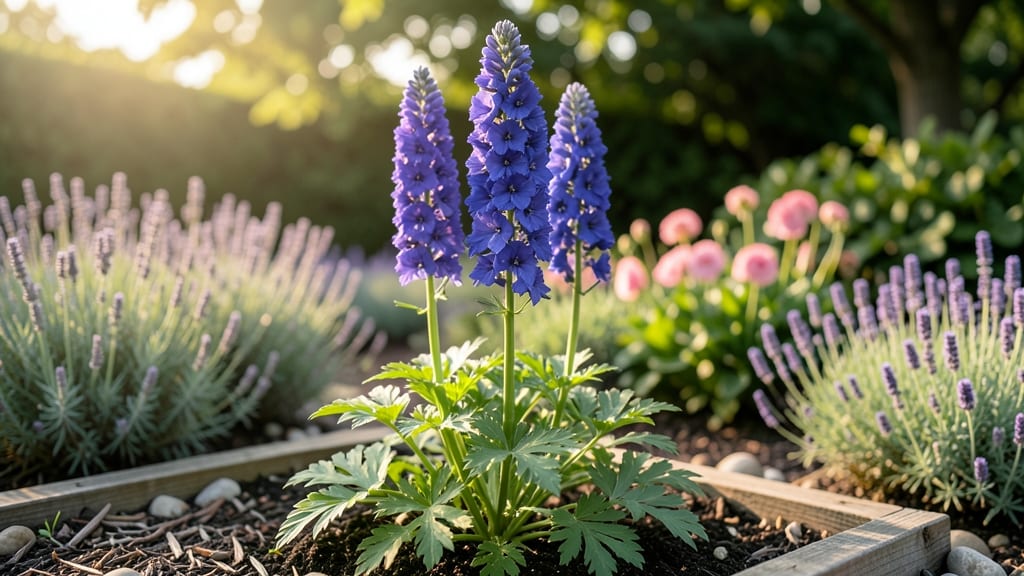
Larkspur height by variety: exact growth ranges for garden planning
If you're planning your garden layout, knowing how tall larkspur grows is key to creating that dreamy, vertical impact. Larkspur (Consolida spp.) comes in stunning varieties, each with its own height range and growth habits.
From delicate dwarf varieties to towering giants, I’ll break down the exact heights so you can space them perfectly for a show-stopping display.
The most common larkspur varieties fall into three height categories: dwarf (1–2 ft), semi-dwarf (2–3 ft), and standard (4–5 ft). Some rare varieties, like 'Giant Imperial', can even reach 5–6 ft with ideal care.
Understanding these ranges helps you avoid overcrowding and ensures every bloom gets the sunlight it needs.
Here’s a quick reference for the most popular larkspur varieties and their mature heights:
| Variety | Height Range | Growth Habit | Spacing |
|---|---|---|---|
| 'Tall Spike' | 4–5 ft | Upright, spiky | 12–18 in apart |
| 'Giant Imperial' | 5–6 ft | Tall, sturdy stems | 18–24 in apart |
| 'Dwarf Blue' | 1–2 ft | Compact, bushy | 6–12 in apart |
| 'Pink Beauty' | 3–4 ft | Medium height, delicate | 10–14 in apart |
| 'White Swan' | 4–5 ft | Tall, airy blooms | 12–18 in apart |
Annual larkspur varieties, like 'Tall Spike' and 'Giant Imperial', grow fastest and reach their full height in just 8–10 weeks after planting. Perennial types, though rare, may take a full growing season to mature. Always check your seed packet for variety-specific details, as some hybrids can exceed these ranges.
For border gardens, I recommend dwarf varieties like 'Dwarf Blue' to keep things neat and manageable. In cutting gardens, taller varieties like 'Giant Imperial' shine when planted in clusters for dramatic bouquets.
Just remember: larkspur needs full sun (6+ hours daily) and well-draining soil to hit its full height potential.
Pro tip: If you’re planting larkspur near a fence or trellis, choose taller varieties to create a natural backdrop. Pair them with shorter flowers like snapdragons to add depth and texture to your garden beds. The contrast in heights will make your larkspur stand out even more!
One common mistake is assuming all larkspur grows the same height. Overcrowding can stunt growth, while poor soil quality may limit their potential. Always follow spacing guidelines and amend your soil with compost before planting to encourage strong, healthy stems.
Ready to plan your larkspur display? Start by sketching your garden layout and marking where each variety will thrive based on its height. With the right spacing and care, your larkspur will reach its full dramatic potential—adding vertical interest and seasonal color to your garden for years to come. 🌸
Larkspur height by variety: exact growth ranges for garden planning
Larkspur (Consolida spp.) is a showstopper in cottage gardens, but its height varies dramatically by variety—from delicate 1-foot dwarfs to towering 6-foot giants. Understanding these ranges helps you choose the perfect larkspur for your space, whether it's a border, cutting garden, or container display.
Most gardeners focus on two species: C. ajacis (annual) and C. ambigua (biennial/perennial). The annual varieties typically reach maturity faster, while perennials may take 2 growing seasons to hit their full height potential.
Always check seed packets for variety-specific details, as even within species, heights can differ by 1-2 feet.
| Variety | Height Range | Growth Habit | Spacing Needs |
|---|---|---|---|
| Dwarf Bluebonnet | 12–18 inches | Compact, bushy | 6–8 inches apart |
| Tall Spike | 4–5 feet | Tall, slender spikes | 12–18 inches apart |
| Giant Imperial | 5–6 feet | Very tall, dramatic | 18–24 inches apart |
| Semi-Dwarf Mix | 2–3 feet | Medium height, versatile | 8–10 inches apart |
| Russian Giant | 4–5 feet | Bold, sturdy stems | 12–18 inches apart |
For container gardening, stick to dwarf varieties like Dwarf Bluebonnet, which thrive in 10-inch pots and rarely exceed 18 inches. Tall varieties need deep containers (18+ inches) and sturdy supports to prevent toppling.
If you're planting near fences or trellises, Giant Imperial or Russian Giant will create stunning vertical displays when trained to climb.
Pro tip: Larkspur grows best in cool climates (USDA Zones 3-9). In hotter zones, heights may be 10-20% shorter due to stress. Always plant in well-draining soil with a pH of 6.0–7.5 to encourage strong stem development and maximum height potential.
When planning your garden layout, remember that larkspur's spreading habit can create a lush, full look. For a romantic cottage garden, mix tall varieties (like Tall Spike) with medium-height plants (like delphiniums) and low-growing annuals (like pansies) to create depth and visual interest.
🌸