
Trees
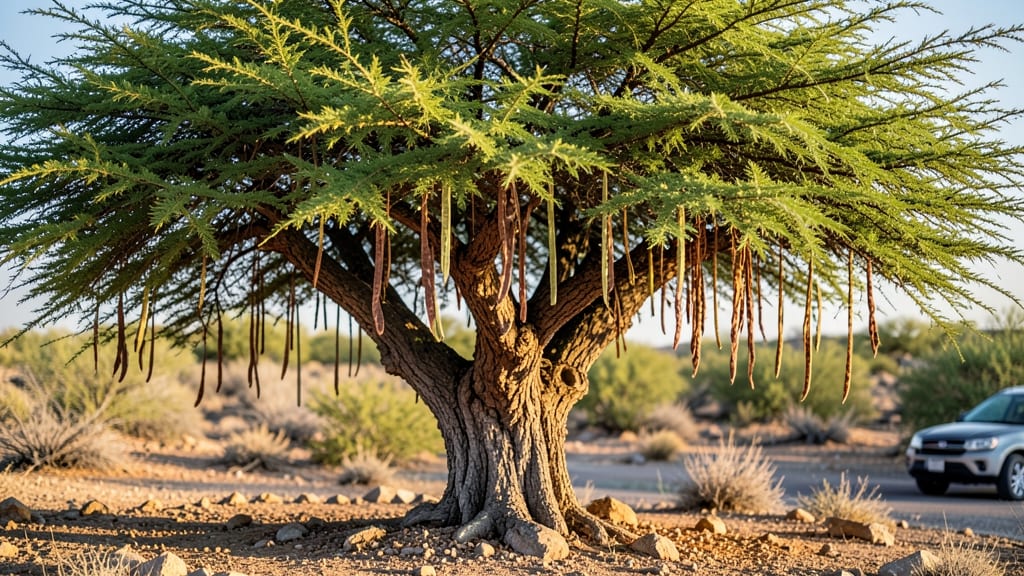
If you're wondering how tall do mesquite trees grow, the answer might surprise you—these resilient 🌳 giants can stretch from modest shrubs to towering 50-foot sentinels, depending on the species and growing conditions.
In arid regions like those in USDA zones 8-11, mesquite trees thrive with minimal care, making them a favorite for both wild landscapes and cultivated yards.
The key to their height lies in their species: honey mesquite, for example, often reaches 25-40 feet, while screwbean mesquite stays shorter, around 10-20 feet.
What makes them so adaptable is their rapid early growth—you can expect 3-5 feet of height gain in just the first year, with mature sizes varying widely based on soil, water, and sunlight.
For those with smaller spaces, don’t worry—mesquite trees aren’t all sky-high. Some varieties grow slowly enough to fit into medium-sized yards, though they’ll still outpace most ornamental trees over time.
The trade-off? Their drought resistance and wildlife benefits make them worth the space, even if you’re not aiming for a backyard skyscraper.
Ready to learn how to manage their height or pick the perfect variety for your landscape? Let’s break down the fastest-growing species and how to keep them in check—without sacrificing their natural beauty.


Mesquite tree height by species: from dwarf varieties to towering giants
Mesquite trees are legendary for their hardiness and striking beauty, but their height varies dramatically depending on the species. If you're planning your landscape, knowing these differences is crucial—some varieties become 50-foot skyscrapers, while others stay manageable in smaller yards.
Let’s break down the most common types and their mature sizes.
The honey mesquite (Prosopis glandulosa) is the most widespread species in the U.S., often reaching 20-40 feet tall with a spread of 15-25 feet.
It’s a favorite for its drought resistance and wildlife benefits, but its height makes it better suited for larger properties or as a focal point in arid landscapes.
Velvet mesquite (Prosopis velutina) is another popular choice, typically growing 30-50 feet tall in ideal conditions. This species thrives in the Southwest and can become a dominant landscape feature if not managed. Its fast growth rate means it can quickly outpace expectations if not monitored.
Now, let’s compare the key species side by side to help you visualize their mature heights and growth habits.
| Species | Mature Height | Spread | Growth Rate | Ideal Climate |
|---|---|---|---|---|
| Honey Mesquite | 20-40 ft | 15-25 ft | Moderate (1-2 ft/year) | USDA Zones 8-11 |
| Velvet Mesquite | 30-50 ft | 20-30 ft | Fast (2-3 ft/year) | USDA Zones 9-11 |
| Screwbean Mesquite | 15-25 ft | 10-15 ft | Slow (0.5-1 ft/year) | USDA Zones 8-10 |
| Tearthumb Mesquite | 10-20 ft | 8-12 ft | Moderate (1 ft/year) | USDA Zones 8-11 |
| Mexican Mesquite | 35-45 ft | 20-25 ft | Fast (2 ft/year) | USDA Zones 9-11 |
For those with limited space, the screwbean mesquite and tearthumb mesquite are better choices, staying under 20 feet tall. These varieties are ideal for smaller yards or urban landscapes where vertical space is limited. However, even these can spread widely, so plan for their mature width too.
If you’re in a hot, dry climate, the velvet mesquite or Mexican mesquite will thrive and grow rapidly. These species are perfect for creating instant shade and supporting local wildlife, but their towering heights require careful placement.
Choosing the right species isn’t just about height—it’s also about your local climate and soil type. For example, honey mesquite adapts well to poor, rocky soils, while velvet mesquite prefers well-draining soil in arid regions. Always match the tree to your environment for the best results.
One common misconception is that all mesquite trees grow into unmanageable giants. While some varieties can reach 50 feet, others like screwbean mesquite stay compact. The key is selecting the right species for your space and maintenance preferences.
🌳
Fastest-growing mesquite trees: how quickly they reach mature height
Mesquite trees aren’t just drought-resistant—they’re also some of the fastest-growing trees in arid climates. If you’re short on time but want shade and wildlife benefits quickly, certain species like Honey Mesquite (Prosopis glandulosa) can grow 3-5 feet per year under ideal conditions.
That means a 10-foot tree in just 2-3 years, and full 30-50 feet in 10-15 years!
Growth speed depends on soil quality, water access, and sunlight. In well-draining, sandy soils with minimal irrigation, mesquite thrives.
For example, a 5-year-old tree in Texas might already be 15-20 feet tall, while one in a container or poor soil could grow only 5-8 feet in the same time.
🌱
- 🌱 Honey Mesquite: 3-5 ft/year (fastest grower, reaches 30-50 ft in 10-15 years)
- 🌿 Velvet Mesquite: 2-4 ft/year (slower but still 25-40 ft in 10 years)
- ⚡ Screwbean Mesquite: 2-3 ft/year (compact growth, 15-25 ft mature height)
- 💧 Water Impact: Deep watering boosts growth by 20-30% in dry climates
- ☀️ Sunlight Boost: Full sun (8+ hours/day) adds 1-2 extra feet/year
To maximize growth, plant mesquite in spring (March-April) when temperatures are warm but not extreme. Avoid overwatering, as mesquite roots suffocate in soggy soil. Instead, water deeply every 3-4 weeks during the first year, then taper off as the tree establishes.
If you’re in a USDA Zone 8-11 area, expect rapid vertical growth in the first 5 years. For example, a 10-year-old Honey Mesquite in Arizona might already be 25-30 feet tall, while a 20-year-old tree could dominate your landscape at 40-50 feet.
Choose your location wisely—mesquite’s aggressive growth means it’s best planted at least 30 feet from structures.
For smaller spaces, consider Screwbean Mesquite, which grows more slowly but stays under 25 feet. Even then, its sprawling canopy can spread 20-30 feet wide, so plan for ample horizontal space too. The trade-off? Faster-growing varieties like Honey Mesquite provide shade and food for wildlife much sooner.
🌳