
Plants
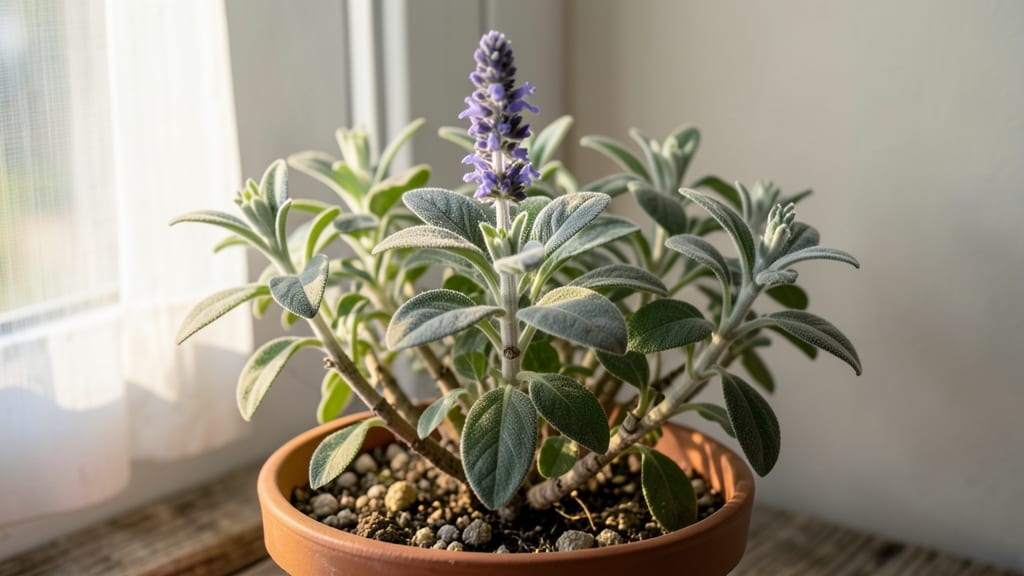
If you're planning to add sage to your garden but aren’t sure how tall sage plants grow, you’re in the right place.
Sage isn’t just one plant—it comes in a surprising range of sizes, from dwarf varieties that barely reach your waist to towering ornamental types that could outgrow your space in just a season.
The height of your 🌿 sage depends on more than just genetics—sunlight, soil, and even how you prune it play a big role.
Whether you’re growing it for cooking, as a fragrant border plant, or just for its silvery-green foliage, knowing these factors will help you pick the perfect variety for your garden’s layout.
Culinary sage, like the classic Salvia officinalis, typically stays between 1 to 3 feet tall, making it ideal for herb gardens or kitchen windowsills. But ornamental sages? They can stretch up to 5 feet or more, adding dramatic vertical interest to your landscape.
Let’s break down exactly how tall different sage varieties grow, what influences their height, and how you can keep them at your desired size—so you can enjoy fresh sage without the surprise of a runaway plant taking over your garden!


Sage plant height ranges: compact vs tall varieties compared
Sage (Salvia officinalis) comes in a surprising range of sizes, from dwarf varieties perfect for windowsills to tall ornamental types that become garden focal points. The average mature height falls between 1 to 3 feet, but some varieties stretch toward 4 feet when given ideal conditions.
Understanding these differences helps you choose the right sage for your space—whether it's a container garden or a sprawling herb bed.
Most culinary sage varieties like Berggarten or Purpurascens stay between 18 to 24 inches tall, making them ideal for kitchen gardens and herb spirals. Meanwhile, ornamental sages such as May Night or Tricolor often reach 2 to 3 feet with striking foliage colors.
The key difference? Genetics and growth habits—some varieties grow bushier while others develop taller, more upright stems.
Here’s how to visualize the height differences across popular sage types:
| Variety | Type | Mature Height | Best For |
|---|---|---|---|
| Berggarten | Culinary | 18-24" | Containers, kitchen gardens |
| Purpurascens | Culinary | 20-28" | Borders, herb spirals |
| May Night | Ornamental | 24-36" | Garden beds, focal points |
| Tricolor | Ornamental | 20-30" | Containers, mixed borders |
| Icterina | Dwarf | 12-18" | Windowsills, small pots |
If you’re working with limited space, dwarf varieties like Icterina or Wendy’s Gold (12-18 inches) are perfect for balcony gardens or indoor growing. These stay under 2 feet even with minimal pruning.
For larger gardens, varieties like Berggarten or Purpurascens thrive in 3-foot-wide beds and pair well with rosemary or thyme.
One common misconception is that all sage grows to 3 feet. In reality, poor soil drainage or shady conditions can stunt growth, while rich, well-draining soil and full sun encourage taller, fuller plants.
For example, May Night sage might only reach 2 feet in partial shade but stretch to 3 feet with 6+ hours of sunlight daily.
For container growing, choose varieties that stay under 2 feet to avoid toppling. A 12-inch pot works well for dwarf sages, while 18-inch pots accommodate standard culinary types.
Always leave 2-3 inches of space between plants to prevent crowding, which can lead to leggy growth and pale leaves.
Pro tip: If your sage starts to outgrow its space, prune back by 1/3 in early spring. This encourages bushier growth and prevents overly tall stems. Just avoid cutting into old wood, as sage struggles to regrow from woody stems.
Whether you’re after culinary sage for cooking or ornamental varieties for color, selecting the right height ensures your garden stays organized and visually balanced. Need help choosing? Start by measuring your space—then pick a sage that fits like a glove! 🌿
Sage plant height ranges: compact vs tall varieties compared
When planning your herb garden, knowing how tall sage plants grow helps you choose the right variety for your space. Common garden sage (Salvia officinalis) typically reaches 18–24 inches tall at maturity, but some varieties stretch up to 3 feet—or even shorter in dwarf types.
The key difference lies in the variety, with culinary sage often staying compact while ornamental sage varieties can grow taller and bushier.
For example, Berggarten sage stays under 12 inches, making it perfect for window boxes, while Purpurascens can reach 3 feet, ideal for borders or background planting. Understanding these height ranges ensures you select sage that fits your garden layout without overcrowding other plants.
| Variety | Mature Height | Best For |
|---|---|---|
| Common Garden Sage | 18–24 in | Kitchen gardens, containers |
| Berggarten Sage | 12 in | Window boxes, small pots |
| Purpurascens Sage | 3 ft | Borders, backdrop planting |
| Tricolor Sage | 12–18 in | Ornamental gardens, containers |
| White Sage | 24–36 in | Drought-tolerant landscapes |
If you’re growing sage in containers, opt for dwarf varieties like Berggarten or Tricolor to prevent overcrowding. These stay under 18 inches, perfect for patio pots or herb spirals. For larger gardens, varieties like Purpurascens add height and texture, thriving in full sun and well-draining soil.
Pruning plays a big role in managing height. Regularly trimming back woody stems encourages bushier growth, while allowing the plant to flower can lead to leggier, taller stems. For culinary sage, keep it trimmed to 12–18 inches to maintain flavor and prevent woodiness.
Climate also affects height—sage grown in hot, dry regions tends to stay shorter due to stress, while cooler climates may produce taller, more robust plants. Always check your USDA hardiness zone to ensure the variety you choose thrives in your area.
For a herb spiral or small-space garden, stick to dwarf or semi-dwarf varieties like Berggarten or Icterina. These stay under 18 inches and fit neatly into tight spaces while still producing flavorful leaves.