
Plants
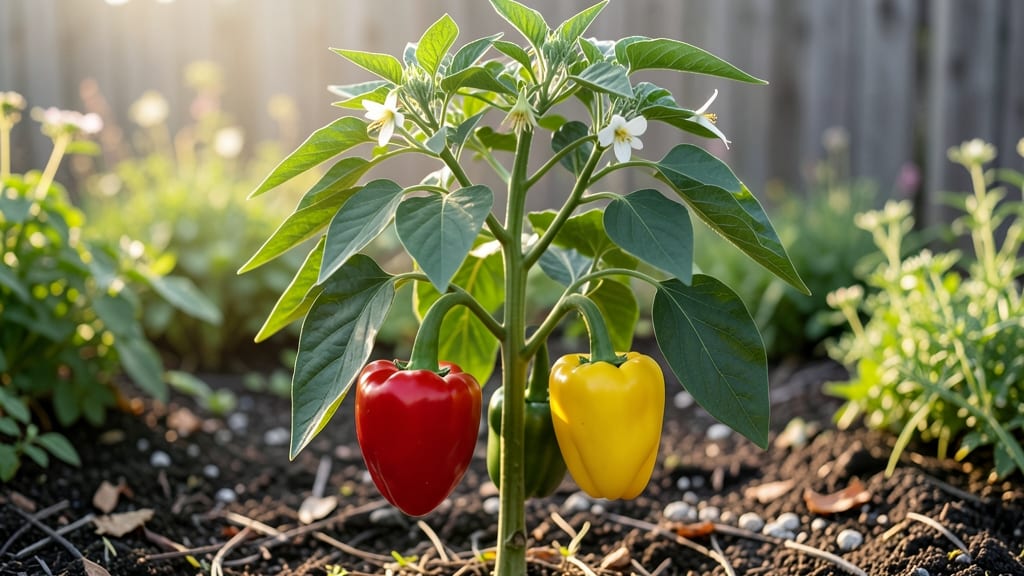
If you're wondering how tall does a bell pepper plant grow, the answer might surprise you—these 🌶️ plants can range from compact 1.5-foot dwarfs to towering 4-foot giants, depending on the variety.
That means your garden space could end up looking very different depending on what you plant, and choosing the right size isn’t just about aesthetics—it’s about maximizing your harvest.
For beginners, standard bell pepper varieties typically reach 2 to 3 feet, making them perfect for backyard gardens or even large containers. But if you’re working with limited space, dwarf varieties stay under 2 feet, while bush types rarely exceed 3 feet.
The key is matching your plant’s growth habit to your growing setup—whether that’s a raised bed, a trellis, or a sunny windowsill.
What you might not realize is that sunlight, soil quality, and even pruning can influence how tall your bell peppers grow. Too much shade or improper care can lead to leggy, overgrown plants, while the right techniques can keep them compact and productive.
Let’s break down how to control their height naturally—so you get the most flavorful peppers without sacrificing space.
Whether you’re a first-time gardener or a seasoned pro, understanding these growth patterns will help you plan your garden layout, avoid overcrowding, and ensure your bell peppers thrive. Ready to turn your space into a pepper powerhouse? Let’s get started.


Bell pepper plant height by variety: compact vs. tall-growing types
Bell pepper plants come in a surprising range of heights, from compact dwarf varieties that fit neatly in pots to towering vining types that need sturdy trellises. Understanding these differences is key to planning your garden layout and choosing the right variety for your space.
Most bell peppers fall between 2 to 4 feet tall, but some specialized types can reach 5 feet or more with proper support.
Height isn't just about aesthetics—it directly impacts yield potential, pruning needs, and even harvest accessibility. For example, bush-type peppers (like 'California Wonder') stay compact, while vining types (like 'Monarch King') send out long, sprawling branches.
Let’s break down the most popular varieties and their growth habits to help you make the best choice for your garden.
🌶️ Pro Tip: Always check seed packets or plant tags for mature height estimates, as these can vary even within the same variety based on growing conditions.
As you can see, dwarf varieties like 'Jalapeño M' and 'Lunchbox' are perfect for container gardening or small spaces, while tall vining types like 'Monarch King' and 'Big Beef' need trellises or cages to support their weight and encourage upward growth.
If you're growing in pots, stick to varieties under 24 inches to avoid stability issues.
For in-ground gardens, taller varieties can be spaced 18–24 inches apart if using trellises, while bush types can be planted 12–18 inches apart. Proper spacing improves air circulation, reducing the risk of fungal diseases like powdery mildew, which can stunt growth and weaken stems.
🌱 Garden Hack: If you love the idea of tall peppers but have limited space, try vertical gardening with a 5-foot trellis—it’s a game-changer for small yards!
Height also plays a role in harvesting ease. Taller plants may require a sturdy stool or knee pad to reach the lower peppers, while dwarf varieties keep everything at eye level.
Plus, compact plants tend to produce fruit earlier in the season, giving you a head start on your harvest.
One factor that often surprises new growers is how genetics dictate growth habit. Determinate (bush) varieties grow to a set height and produce fruit all at once, while indeterminate (vining) varieties keep growing and producing peppers throughout the season.
If you want a continuous harvest, indeterminate types are the way to go—but be prepared for taller plants!
💡 Lighting Tip: If growing indoors, supplemental grow lights can help manage height by encouraging bushier growth instead of leggy stems.
Finally, don’t forget that soil health and nutrients can influence height. Plants grown in poor soil may become taller and weaker as they stretch for sunlight, a condition called etiolation.
To prevent this, always amend your soil with compost and use a balanced fertilizer (like 10-10-10) to support strong, sturdy growth.
Bell pepper plant height by variety: compact vs. tall-growing types
Bell pepper plants can range from compact bush varieties that stay under 2 feet to towering vining types reaching over 4 feet tall. The difference isn't just about aesthetics—it impacts garden spacing, support needs, and even harvest efficiency.
Understanding these variations helps you choose the perfect variety for your space, whether it's a small balcony or a sprawling backyard.
Most home gardeners grow standard bush types like 'California Wonder', which typically hit 3–4 feet at maturity. These plants develop multiple stems from the base, creating a bushy habit ideal for traditional in-ground planting.
However, dwarf varieties like 'Jalapeño M' max out at 18–24 inches, making them perfect for containers or intensive planting schemes.
For those with vertical space, vining varieties like 'Monarch King' can stretch 48+ inches tall, requiring trellises or cages to support their weight. These types produce longer stems with fewer branches but often yield larger individual peppers.
The key difference lies in their genetic growth habits—bush types focus on width and density, while vining types prioritize height and stem length.
🌶️ Bell Pepper Height Comparison
| Variety | Height Range | Growth Habit | Best For |
|---|---|---|---|
| Jalapeño M | 18–24" | Compact Bush | Containers, small spaces |
| California Wonder | 36–48" | Bush | In-ground gardens |
| Monarch King | 48"+ | Vining | Trellises, vertical gardens |
| Sweet Banana | 24–36" | Semi-Dwarf | Balconies, raised beds |
*Height measurements are at maturity. Vining types may need support to reach full potential.
Your garden layout should account for these height differences. For example, dwarf varieties can be planted 12–18 inches apart, while standard bush types need 18–24 inches of space. Vining varieties should have 36+ inches of vertical clearance and sturdy trellis support to prevent stem breakage.
Even within the same variety, environmental factors like sunlight exposure, soil fertility, and watering consistency can influence final height by 10–20%.
If you're growing in containers, prioritize dwarf or semi-dwarf varieties—their shorter stature reduces the risk of toppling in windy conditions. For indoor windowsill gardening, even 18-inch-tall varieties can work if you use dwarf-specific containers with adequate drainage.
The key is matching the plant's genetic potential with your available space to avoid overcrowding or wasted vertical room.
Pro tip: Check seed packets or plant tags for mature height estimates—this gives you the most accurate expectation. Some hybrid varieties (like 'Big Bertha') are bred for compact growth, while heirlooms often exhibit more variability in height.
Always err on the side of extra space when planning, as overcrowding leads to poor air circulation, increasing the risk of fungal diseases like powdery mildew. 🌱