
How To
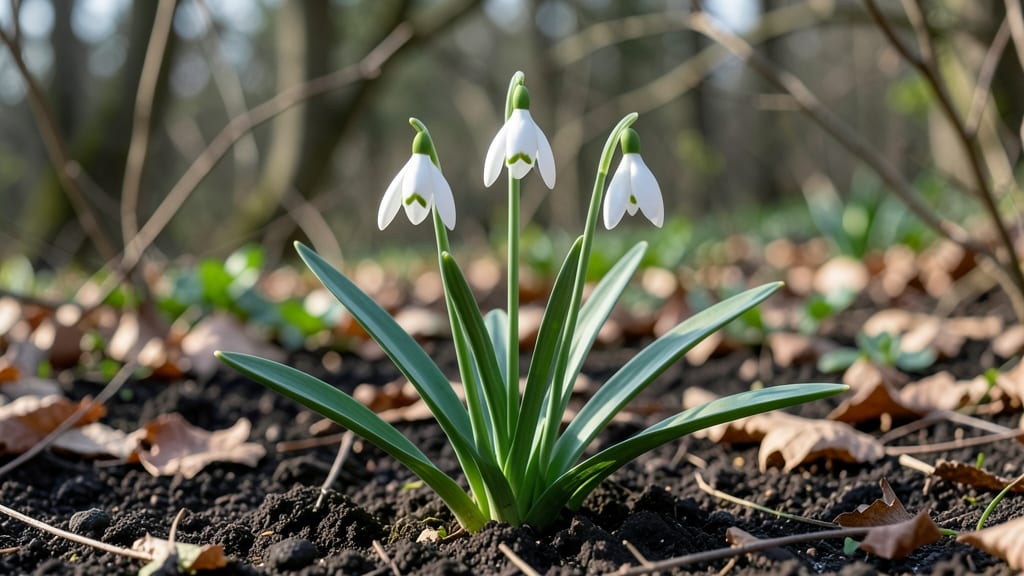
If you’ve ever wondered how tall do snowdrops grow, you’re not alone—these delicate blooms seem to defy expectations with their tiny stature and big impact. 🌱 While they rarely top 6 inches, their early spring emergence makes them a garden staple, especially in zones like 6a.
What’s fascinating is how their height varies based on species, soil, and even sunlight, giving gardeners creative control over their placement.
The key to understanding snowdrop height lies in their low-maintenance nature. Most varieties stay between 4–6 inches, but some dwarf types barely reach 2–3 inches, perfect for rock gardens or underplanting shrubs.
This compact size means they thrive in tight spaces without competing for attention, making them ideal for layered designs or container gardens.
What sets snowdrops apart is their ability to adapt. Rich, well-draining soil can encourage slightly taller growth, while partial shade helps them conserve energy for those iconic blooms. Whether you’re planning a fall planting or troubleshooting stunted growth, knowing these height secrets will help you maximize their early spring show.
Ready to harness their charm? I’ll break down how to pair snowdrops with taller perennials, optimize their growing conditions, and even troubleshoot unexpected height variations. Let’s turn those year-round blooms into your garden’s standout feature.


Snowdrop height variations by species and cultivar
When planning your garden, knowing how tall snowdrops grow helps you create stunning layered displays. Most snowdrops (Galanthus spp.) stay between 4–6 inches tall, but some varieties reach 8–12 inches.
Their compact size makes them perfect for borders, woodland gardens, and even rockeries. The key to predicting height lies in choosing the right cultivar for your space.
Dwarf snowdrops like Galanthus nivalis (common snowdrop) typically max out at 4–5 inches, while larger varieties such as Galanthus elwesii can stretch to 10–12 inches. Even within species, height can vary—some hybrids blend traits for a mid-range 5–7 inches of elegance.
Understanding these differences ensures your garden design balances both drama and proportion.
🌱
| Variety | Height Range | Best For | Bloom Time |
|---|---|---|---|
| Galanthus nivalis | 4–5 inches | Rock gardens, borders | Early spring |
| Galanthus elwesii | 10–12 inches | Woodland edges, borders | Mid-spring |
| Galanthus ‘Flore Pleno’ (double-flowered) | 5–7 inches | Containers, cottage gardens | Early spring |
| Galanthus ‘Viridapicus’ (green-marked) | 6–8 inches | Shaded borders, under trees | Late winter |
| Galanthus ‘S. Arnott’ | 8–10 inches | Tall borders, mixed perennials | Early spring |
If you’re designing a woodland garden, taller snowdrops like Galanthus elwesii create a striking vertical line when planted in drifts. For rock gardens, dwarf varieties like Galanthus nivalis add delicate texture without overwhelming smaller plants.
Even in containers, snowdrops thrive—just choose varieties under 6 inches to avoid spilling over edges.
Height isn’t the only factor to consider. Leaf length also varies—some cultivars develop 6–12 inch foliage, while others stay closer to 4–6 inches. This means taller snowdrops can act as foliage accents even after blooms fade, extending their seasonal value.
Pair them with heucheras or ferns to create a lush, layered look.
One surprising tip: Snowdrop height increases slightly each year as the corms multiply. A 4-inch snowdrop in its first year might reach 6 inches by year three.
This gradual growth makes them low-maintenance but rewarding for long-term gardeners. Just avoid overcrowding—plant 4–6 inches apart to prevent competition and ensure consistent blooms.
For container gardening, stick to dwarf varieties like Galanthus ‘Flore Pleno’ or Galanthus nivalis. Their compact size lets you mix them with miniature cyclamen or hebe without sacrificing height balance. In larger pots, you can even combine 3–4 snowdrops with spring bulbs like crocus for a multi-layered display.
🌿
If you’re unsure which snowdrop to choose, start with three varieties: one dwarf (under 5 inches), one mid-height (5–7 inches), and one taller (8–12 inches). This trio gives you flexibility to experiment with garden layers, from foreground accents to mid-border drama.
And because snowdrops naturalize easily, their height will only enhance your garden’s charm over time.
✂️
Snowdrop height variations by species and cultivar
Snowdrops (Galanthus) are often called the "harbingers of spring," but their height variations can surprise even seasoned gardeners. While most mature plants stay between 4–12 inches, some dwarf cultivars reach just 2–3 inches, while larger types can stretch to 10–12 inches.
These differences aren't just about aesthetics—they directly impact where and how you plant them in your garden.
Understanding these variations helps you choose the perfect snowdrops for your space. For example, Galanthus nivalis, the classic species, typically grows 6–8 inches tall, making it ideal for borders or underplanting shrubs.
Meanwhile, Galanthus plicatus varieties like 'Viridapicta' can reach 10–12 inches, perfect for adding height to woodland gardens.
| Variety | Height Range | Best For |
|---|---|---|
| Galanthus nivalis | 6–8 inches | Borders, rock gardens |
| Galanthus plicatus 'Viridapicta' | 10–12 inches | Woodland gardens, tall borders |
| Galanthus elwesii | 12–18 inches | Back of borders, large gardens |
| Galanthus 'S. Arnott' | 4–6 inches | Rock gardens, containers |
Dwarf snowdrops, like 'Mini Star' or 'Tryllfröken', stay under 4 inches and are perfect for rock gardens or container plantings. Their tiny stature makes them ideal for filling gaps between stepping stones or adding early color to alpine gardens.
Even in their first year, these varieties bloom at 2–3 inches tall, making them instant eye-catchers.
Taller snowdrops, such as Galanthus elwesii, can reach up to 18 inches and thrive in woodland settings or at the back of borders. Their height allows them to peek through ferns or hostas while still being visible.
If you're planting near pathways, opt for mid-height varieties like 'Magnet' or 'Scharlockii', which grow 6–9 inches and create a neat, uniform look.
One surprising fact about snowdrops is that their height can fluctuate yearly. In their first year, most varieties bloom at just 2–3 inches, but by year three, they often reach their mature height.
This gradual growth makes them low-maintenance yet rewarding additions to any garden, whether you're designing a formal border or a wild, naturalistic space.
For gardeners with limited space, container gardening is a great way to enjoy snowdrops' early blooms. Choose dwarf varieties and pair them with heucheras or cyclamens for a stunning spring display. Just ensure your containers have good drainage and a partial-shade location to mimic their natural woodland habitat.
🌱