
How To
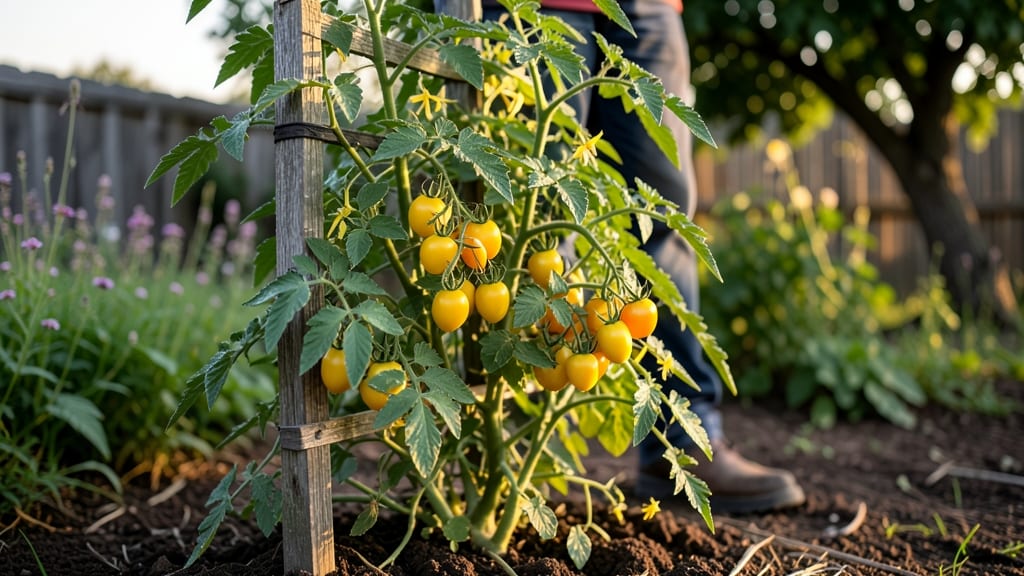
Curious about how tall Sungold tomatoes grow before you commit to planting them? These golden 🍅 wonders might be smaller than you think—typically reaching just 3-4 feet at maturity, but their compact vines pack a serious fruiting punch.
What sets Sungold tomatoes apart is their ability to thrive in limited spaces while still producing hundreds of sweet, cherry-sized fruits per plant. Unlike their towering cousins, these vines stay manageable, making them perfect for containers, small gardens, or even sunny balconies.
Whether you're working with a 6-foot trellis or a simple cage, understanding their growth habits is key to maximizing your harvest. I’ll break down exactly how to support them, when to prune, and how to keep those vines from sprawling out of control.
Ready to grow your own? Let’s dive into the secrets of Sungold tomatoes—where flavor meets practical gardening. You’ll learn how to give them the space they need while still enjoying a bountiful harvest.


Sungold tomato vine height: what to expect from 3-4 feet of growth
Sungold tomatoes are indeterminate varieties, meaning their vines grow continuously throughout the season until frost stops them. Unlike determinate tomatoes that stop growing at a set height, Sungolds can reach 4-6 feet tall if left unpruned—but their sprawling habit is what truly defines their space needs.
The vines also spread 3-4 feet wide, creating a dense canopy that requires careful management.
If you’re working with limited space, like a balcony garden or small raised bed, don’t let their height deter you. With the right support system and pruning techniques, you can easily contain their growth while still enjoying hundreds of juicy cherry tomatoes.
The key is understanding their natural growth patterns and how to guide them effectively.
🌱 Did You Know?
The mature height of a Sungold tomato plant is typically 4-6 feet, but this can vary based on growing conditions. In container gardens, their growth may be slightly stunted unless you use large pots (at least 5-gallon capacity) and provide consistent nutrients.
Meanwhile, in-ground plants with rich soil and full sun can easily hit the upper end of that range.
One common misconception is that Sungolds are dwarf varieties. They’re not! Their compact size compared to other indeterminate tomatoes (like Brandywine or Cherokee Purple) is relative—they’re still vigorous climbers that need support.
Without a trellis or cage, their vines will sprawl across the ground, taking up valuable garden real estate.
For container growers, the height can be managed more easily, but the vines will still need vertical support. A 5-foot tall tomato cage or a sturdy DIY trellis made from bamboo stakes and twine works perfectly.
The goal is to keep the plant upright, improve air circulation, and make harvesting easier—especially since Sungold tomatoes ripen quickly and need frequent picking.
Pro Tip: If you’re growing Sungolds in USDA Zones 9-11, where winters are mild, these plants can continue growing well into fall. With proper care, you might even see vines reach 7-8 feet tall before the first frost, though this requires regular pruning to maintain fruit quality.
Another factor influencing height is pruning frequency. If you’re pinching suckers (those small shoots in the leaf axils), the plant will focus energy on fruit production rather than vertical growth.
This technique can keep the plant 3-4 feet tall while maximizing yield. However, if you skip pruning, expect those vines to reach their full potential height.
For small-space gardeners, consider growing Sungolds in hanging baskets with a built-in trellis. This not only saves floor space but also makes the golden-orange fruit a stunning visual centerpiece. Just ensure the basket has drainage holes and you’re using a lightweight potting mix to avoid overloading the container.
Finally, remember that Sungold tomatoes thrive in warm climates but can also grow in cooler regions if planted after the last frost. Their heat tolerance means they’ll keep producing fruit even when temperatures climb, but their vines may grow more aggressively in hotter zones.
Always monitor their growth and adjust support structures as needed.
Sungold tomato vine height: what to expect from 3-4 feet of growth
Sungold tomatoes are indeterminate varieties, meaning their vines grow continuously throughout the season—often reaching 4 to 6 feet tall under ideal conditions. Unlike their determinate cousins, these plants don’t stop growing after fruiting, so they’ll keep climbing if given the chance.
The first year, you might see vines hit 3 to 5 feet, but with proper care, they can stretch even taller in subsequent years.
What’s equally important is their sprawling habit. Sungold vines can spread 3 to 4 feet wide, creating a lush, bushy canopy. Without support, they’ll flop onto the ground, risking soil-borne diseases and making harvesting a chore.
That’s why trellising or caging is a must—it keeps the plant upright, improves airflow, and makes those sweet, golden-orange tomatoes easier to reach.
Here’s a quick breakdown of what to expect at different growth stages: Seedling: 6–12 inches (focus on sturdy stems) Early Season: 2–3 feet (rapid vertical growth) Mature Plant: 4–6 feet (with heavy fruit loads) Late Season: 5–7 feet (if unpruned and well-fed)
| Growth Stage | Height Range | Key Notes |
|---|---|---|
| Seedling | 6–12 inches | Focus on hardening off and sturdy stems. |
| Early Season | 2–3 feet | Rapid vertical growth; install support early. |
| Mature Plant | 4–6 feet | Heavy fruit loads; prune for airflow. |
| Late Season | 5–7 feet | Unpruned plants may exceed 6 feet; harvest early. |
One common misconception is that Sungold tomatoes will stay compact like bush varieties. In reality, their vigorous growth means they need space and structure to thrive.
If you’re growing them in containers, opt for large pots (at least 5 gallons) and a sturdy trellis—even then, you might need to prune aggressively to control height. Without intervention, these vines will sprawl, and the fruit can end up buried in foliage, making it hard to spot ripe tomatoes.
To maximize your harvest, aim for 4 to 5 feet of controlled growth by pruning suckers (those little shoots in the leaf axils) regularly. This not only keeps the plant manageable but also directs energy toward fruit production rather than excessive foliage.
I’ve found that topping the plant at 5 feet in early summer helps balance height and yield without sacrificing too many tomatoes.
If you’re short on vertical space, consider horizontal training—tying the main stem along a wire or string instead of letting it climb. This works well for balcony gardens or small patios, keeping the plant within a 3-foot height range while still producing a bounty.
Just be prepared for slightly smaller yields compared to fully vertical plants.
🌱