
Trees
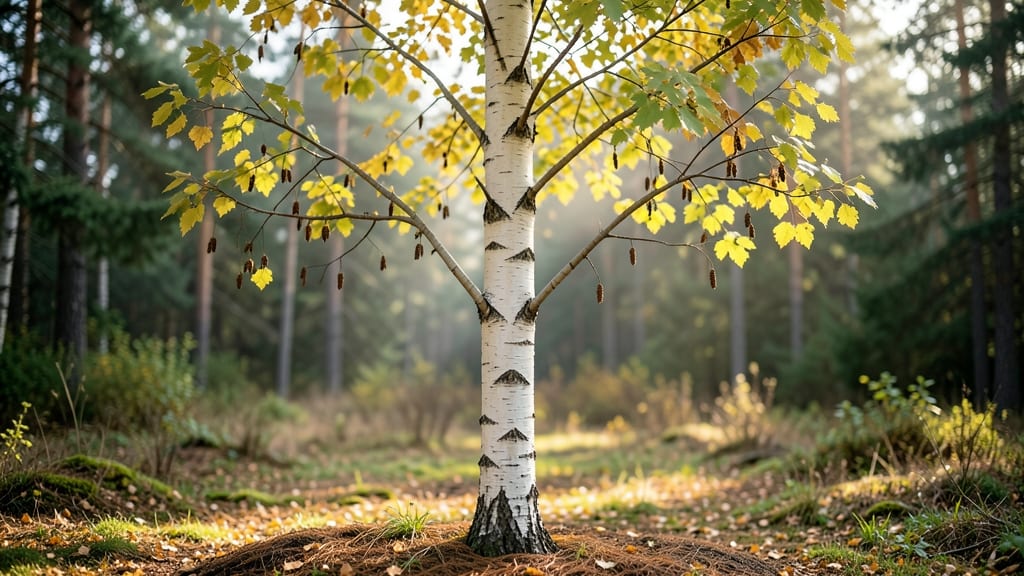
White birch tree height by variety: exact growth expectations
White birch trees (Betula pendula and related species) are famous for their striking white bark and graceful form, but their mature height can vary wildly depending on the variety.
Whether you're planning a backyard focal point or a forest-like border, knowing these exact growth ranges will help you choose the right tree for your space. I’ve grown several varieties myself, and the differences are stunning—some reach skyscraper heights while others stay manageable for smaller gardens.
The most common white birch varieties include Paper Birch, River Birch, and Canyon Birch, each with distinct height potentials. For example, a Paper Birch can soar to 70 feet in ideal conditions, while a River Birch typically stays between 40-50 feet.
Even within the same species, growth rates and final heights depend on soil quality, sunlight exposure, and pruning habits. Let’s break down the specifics so you can plan accordingly.
| Variety | Mature Height (ft) | Growth Rate (ft/year) | Ideal Spacing (ft) | Notes |
|---|---|---|---|---|
| Paper Birch (Betula papyrifera) | 40–70 ft | 1.5–3 ft | 30–50 ft | Fast-growing; needs full sun |
| River Birch (Betula nigra) | 40–50 ft | 1–2 ft | 25–40 ft | Tolerates wet soil; slower growth |
| Canyon Birch (Betula occidentalis) | 20–30 ft | 0.5–1.5 ft | 15–25 ft | Drought-tolerant; smaller canopy |
| Young’s Weeping Birch (Betula pendula ‘Youngii’) | 15–25 ft | 0.5–1 ft | 10–15 ft | Weeping habit; great for small spaces |
If you’re working with a smaller landscape, the Canyon Birch or Young’s Weeping Birch are excellent choices. These varieties stay under 30 feet tall, making them perfect for backyard gardens or urban planting.
In contrast, a Paper Birch in full sun can grow 3 feet per year, reaching its full height in just 20–25 years. That’s why spacing is critical—I’ve seen homeowners plant Paper Birches too close to driveways or power lines, only to regret it later!
For landscape planning, always account for the tree’s canopy spread, which can be nearly as wide as its height. A 70-foot Paper Birch might spread 40 feet across, so give it plenty of room to avoid crowding other plants or structures.
I recommend planting at least 30 feet away from buildings or other trees to prevent root competition and ensure healthy growth. If you’re unsure, err on the side of more space—birches are resilient, but they hate being root-bound.
One common misconception is that dwarf varieties of white birch exist. Unfortunately, there aren’t any true dwarf white birches—most "dwarf" options are simply slower-growing cultivars like the Young’s Weeping Birch.
If you’re set on a smaller tree, consider a Japanese White Birch (Betula platyphylla), which typically stays between 15–25 feet tall. These are often sold as "miniature" birches but still require proper care to thrive.
Growth rates also depend on soil conditions. White birches thrive in well-draining, slightly acidic soil with a pH between 4.5–7.5. If your soil is clay-heavy or compacted, the tree’s growth will slow significantly.
I’ve seen River Birches in wet, boggy soil grow only 1 foot per year compared to 2–3 feet in loamy, well-aerated soil. Amending your soil with compost or sand can make a huge difference in height potential.
When planting, choose a sunny location with at least 6 hours of direct sunlight daily. Partial shade can reduce height growth by 30
How sunlight affects white birch tree height: full sun vs. partial shade
Sunlight is the single most critical factor determining how tall your white birch tree will grow. These trees thrive in full sun conditions, where they can reach their maximum height potential of 40-70 feet.
However, even slight reductions in sunlight can dramatically stunt their vertical growth and affect overall health. Understanding this relationship helps you plan your landscape layout and optimize care for the height you desire.
In full sun (6+ hours of direct sunlight daily), white birch trees grow 2-4 feet per year in ideal conditions. This rapid growth allows them to reach maturity in 15-20 years, showcasing their iconic peeling white bark and delicate branches.
Without sufficient sunlight, growth slows to less than 1 foot per year, resulting in a much shorter, weaker tree that may struggle with disease susceptibility.
If you're planting in partial shade (3-6 hours of sunlight), expect your white birch to max out at 20-30 feet tall. While still beautiful, these trees will develop a denser, bushier form rather than the tall, slender silhouette they're known for.
The trade-off is often worth it in urban areas where full sun isn't available, but be prepared for slower growth and potential bark issues from increased moisture retention.
To maximize height growth, position your white birch where it receives unobstructed morning sunlight. Eastern exposures work well, while western exposures can cause afternoon heat stress in hot climates.
If planting near other trees, ensure they won't cast shade after the birch reaches 10 feet tall, as this is when it needs maximum light for trunk development.
Common mistakes that stunt growth include planting too close to buildings or fences that block sunlight, using heavy clay soils that retain too much moisture, or over-fertilizing with nitrogen which promotes leafy growth at the expense of height.
For optimal results, combine full sun exposure with well-draining soil and moderate watering—this trio creates the perfect conditions for your birch to reach its genetic height potential.
Remember that even in partial shade, white birch trees will still grow taller than most ornamental shrubs. With proper care, a 20-foot specimen can become a stunning focal point in medium-sized gardens, offering year-round interest with its exfoliating bark and golden autumn foliage.
The key is managing expectations based on your site's sunlight conditions and adjusting your care routine accordingly. 🌳