
Leaf Blower
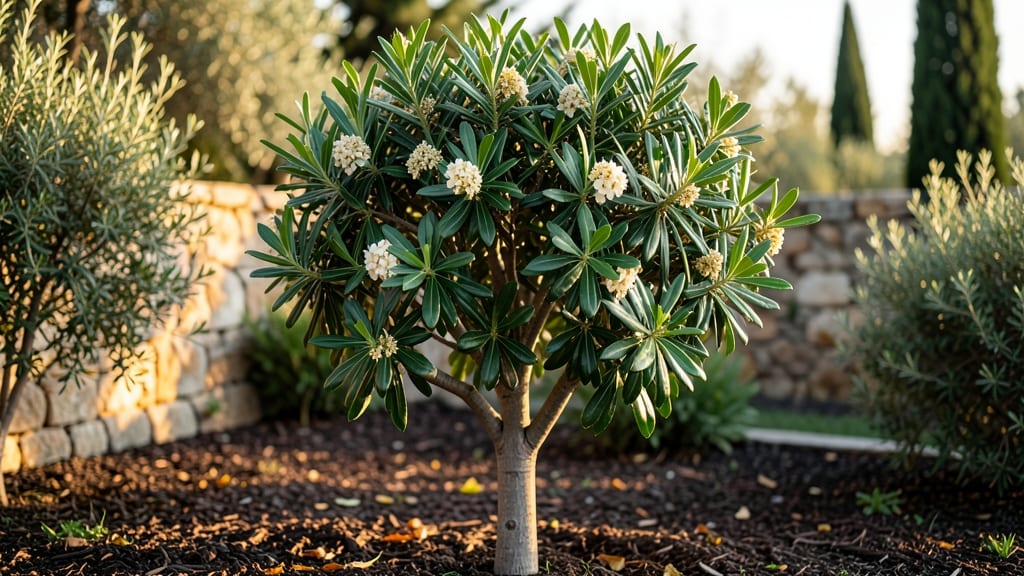
If you're wondering how tall does a bay leaf tree grow, the answer might surprise you—this evergreen beauty can reach anywhere from 15 to 40 feet when planted in the ground, depending on variety and growing conditions.
Whether you're dreaming of a lush kitchen garden or a compact potted plant for your balcony, understanding its growth habits is key to maximizing both its beauty and your harvest.
For those with limited space, dwarf varieties like the Portuguese bay stay between 8 and 12 feet, making them perfect for smaller gardens or containers. But even standard types can be managed with the right pruning techniques, ensuring you get fresh, fragrant leaves year-round without sacrificing your outdoor space.
The secret lies in knowing how to guide its growth from the start.
Bay leaf trees thrive in USDA Zone 6a and beyond, where they can flourish as both a culinary staple and an ornamental centerpiece. Whether you're planting in spring or nurturing a container-grown specimen, the right spacing and care will determine how tall—and how healthy—your tree becomes.
Let’s break down exactly what you need to know to keep your bay leaf tree at the perfect height for your needs.
From balancing aesthetics to ensuring a steady supply of leaves for your favorite dishes, the height of your bay leaf tree isn’t just about space—it’s about strategy.
With the right approach, you can enjoy a healthy, productive plant that fits seamlessly into your garden or home, no matter how much room you have to work with.


Bay leaf tree height by variety: exact growth expectations for sweet, Portuguese, and dwarf types
When planning your bay leaf tree (Laurus nobilis), knowing the mature height of each variety helps you choose the perfect fit for your space. The standard sweet bay laurel can reach 20–40 feet tall in ideal conditions, while dwarf varieties stay under 12 feet.
Understanding these differences ensures you pick a tree that thrives in your garden or container setup.
Your choice of variety isn’t just about height—it also affects growth rate, leaf production, and how well it adapts to pruning. For example, the Portuguese bay laurel grows slightly faster than the classic sweet bay but reaches similar heights.
Meanwhile, dwarf varieties like 'Angustifolia' stay compact, making them ideal for small gardens or indoor growing.
Here’s how each variety compares in terms of height expectations, ideal climates, and pruning adaptability. This will help you decide whether your bay leaf tree will become a towering centerpiece or a manageable shrub.
| Variety | Mature Height | Growth Rate | Ideal Climate | Pruning Needs |
|---|---|---|---|---|
| Sweet Bay Laurel | 20–40 ft | Slow to moderate | USDA Zones 7–10 | Regular pruning for shape |
| Portuguese Bay Laurel | 15–30 ft | Moderate | USDA Zones 8–11 | Prune lightly for bushiness |
| Dwarf Varieties (e.g., 'Angustifolia') | 8–12 ft | Slow | USDA Zones 7–10 | Minimal pruning needed |
The sweet bay laurel is the most common variety and can grow into a small tree if left unpruned. In full sun and well-drained soil, it reaches its full 20–40 foot height over 10–15 years.
This makes it a stunning ornamental tree but requires ample garden space. If you’re growing it for culinary leaves, regular pruning keeps it manageable while boosting leaf production.
For warmer climates (USDA Zones 8–11), the Portuguese bay laurel is a great alternative. It grows slightly faster and adapts well to coastal conditions, making it ideal for gardens near the ocean.
Its 15–30 foot height is still substantial but more manageable for medium-sized yards. Prune it lightly in late winter to encourage bushier growth and better leaf yield.
If space is limited, dwarf varieties like 'Angustifolia' are perfect for containers or small gardens. These stay under 12 feet tall and grow slowly, making them low-maintenance. They thrive in pots with proper drainage and still produce fragrant leaves for cooking.
Just ensure they get at least 6 hours of sunlight daily to prevent stunted growth.
Choosing the right variety isn’t just about height—it’s also about how the tree fits into your gardening goals. Whether you want a tall ornamental tree, a compact container plant, or a fast-growing leaf source, there’s a bay leaf tree variety that’s perfect for you.
Once you’ve selected your variety, the next step is ensuring it has the right spacing and pruning to reach its full potential without overcrowding your garden. This is where optimal spacing and seasonal pruning come into play.
🌿
Optimal spacing and pruning tips to control bay leaf tree height and boost leaf production
When planning your bay leaf tree’s placement, proper spacing is critical to prevent overcrowding and encourage healthy growth. In the ground, standard varieties need 15–20 feet of space between trees to reach their 15–40-foot mature height without competing for nutrients.
Dwarf varieties, however, thrive with just 6–10 feet of clearance, making them ideal for smaller gardens or container setups.
If you’re growing multiple trees, arrange them in a sunny, open area with good air circulation. This reduces disease risk and ensures each tree gets the 6+ hours of sunlight it craves daily. For urban gardens, consider planting against a south-facing fence to maximize light exposure while saving space.
🌿
| Variety | Mature Height | Spacing Needs | Pruning Frequency |
|---|---|---|---|
| Standard Bay Laurel | 15–40 ft | 15–20 ft | 2–3 times/year |
| Dwarf Varieties | 8–12 ft | 6–10 ft | 3–4 times/year |
| Semi-Dwarf | 12–18 ft | 10–15 ft | 2–3 times/year |
*Prune after harvest season to encourage new growth.
Pruning is your secret weapon for controlling height and boosting leaf production. For standard trees, prune in late winter or early spring before new growth begins. Focus on removing overlapping branches and shaping the canopy to improve airflow.
Use sharp, sterilized shears to make clean cuts just above a leaf node to encourage bushier growth.
To keep a bay leaf tree compact, prune new growth regularly throughout the growing season. Pinch back the tips of young shoots to encourage lateral branching, which increases leaf yield. For container-grown trees, prune more aggressively in early spring to maintain their 8–12-foot height limit and prevent root-bound stress.
For indoor bay leaf trees, prune lightly in spring and summer to maintain a manageable size. Place the tree near a south-facing window to compensate for limited outdoor space. Avoid heavy pruning indoors, as it can stress the tree and reduce leaf production.
🪴