
How To
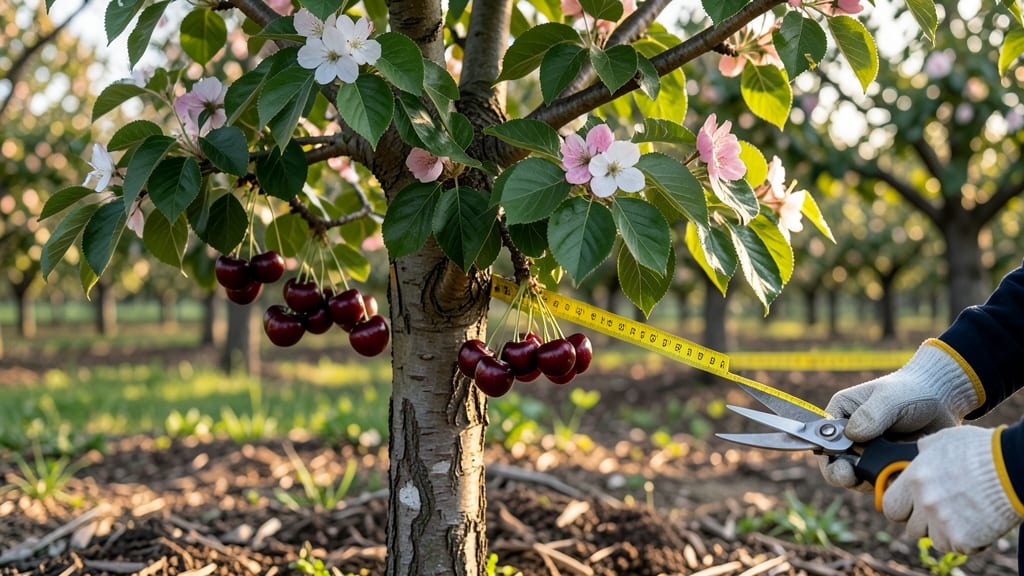
Wondering how tall does a Bing cherry tree grow and whether it’ll fit in your backyard? The answer might surprise you—especially if you’re eyeing those sweet, juicy 🍒 fruits without sacrificing space.
Standard Bing cherry trees can tower between 15 to 25 feet, but dwarf and semi-dwarf varieties keep them under 12 feet, making them perfect for smaller gardens or even containers.
If you’ve ever pictured a cherry tree in your yard but hesitated because of space concerns, this is your sign to reconsider. The right variety and a little pruning know-how can transform a towering giant into a manageable, fruit-bearing beauty.
Whether you’re a seasoned gardener or just starting out, understanding these growth patterns is the first step to enjoying homegrown Bing cherries without the headache of a sprawling tree.
Let’s break down what you need to know—from the fastest-growing varieties to the pruning secrets that keep your tree at your ideal height. You’ll learn how to choose the perfect size for your space and the simple care routines that ensure your tree thrives.
Ready to turn your cherry dreams into reality?
By the end of this guide, you’ll know exactly which Bing cherry tree fits your yard, how to control its height, and the best practices to keep it healthy and productive. No more guessing—just delicious, space-friendly fruit!


Standard Bing cherry tree height: what to expect from full-sized varieties
A standard Bing cherry tree typically reaches a mature height of 15 to 25 feet, making it a towering presence in any backyard. If you’ve ever imagined a tree that stretches taller than a two-story house, this is it—though it requires careful planning for space and maintenance.
The exact height depends on factors like rootstock type, climate, and pruning habits.
Most Bing cherry trees grafted onto Mahaleb rootstock (a traditional choice) will grow to their full height potential, often exceeding 20 feet without intervention.
In contrast, trees on Gisela rootstock (a semi-dwarf option) may max out around 15 to 18 feet, offering a more manageable size while still producing abundant fruit. Understanding these differences is key to choosing the right tree for your space.
The first year after planting, your Bing cherry tree will grow 2 to 4 feet, establishing its root system and early structure. By year two, expect 6 to 8 feet of growth, and by year three, the tree may already reach 10 to 12 feet.
This rapid early growth means planning ahead for pruning and spacing is essential to avoid overcrowding in smaller yards.
Climate plays a surprising role in height. In warmer USDA zones (7-9), Bing cherry trees tend to grow faster and taller due to longer growing seasons. Meanwhile, in cooler zones (5-6), growth may be slower, but the tree still reaches its full mature height over time.
Always check your local frost dates—Bing cherries need at least 500 chill hours annually to thrive.
Here’s a quick snapshot of what to expect with a standard Bing cherry tree:
| Growth Stage | Height Range | Key Notes |
|---|---|---|
| Year 1 | 2–4 ft | Root establishment; minimal pruning |
| Year 2 | 6–8 ft | Structural pruning begins; stake if needed |
| Year 3–5 | 10–15 ft | Annual pruning to shape; fruit production starts |
| Mature (5+ years) | 15–25 ft | Full height; requires regular pruning for health |
Pruning is the secret weapon for controlling height. Without it, a Bing cherry tree can become unruly, with branches extending beyond your property line or even blocking sunlight for other plants.
I recommend annual pruning in late winter or early spring, before buds break, to remove dead, crossing, or overcrowded branches. This not only keeps the tree manageable but also improves air circulation, reducing the risk of fungal diseases like brown rot.
If you’re planting near a fence or structure, leave at least 10 feet of clearance to avoid future conflicts. The tree’s wide-spreading canopy (up to 15 feet wide) means it needs room to breathe.
For urban gardens, consider dwarf or semi-dwarf varieties—we’ll cover those next—to enjoy Bing cherries without sacrificing your patio space.
One common misconception is that taller trees always produce more fruit. In reality, a well-pruned 12-foot tree can yield just as much as an unmanaged 20-footer, provided it receives proper care.
The key is balancing fruitwood development (branches that bear fruit) with overall tree health. With the right approach, you can enjoy a bountiful harvest without sacrificing your yard’s layout.
For those in smaller spaces, don’t despair—modern rootstocks and pruning techniques have made it possible to grow Bing cherries in containers or along fences. The trade-off? You’ll need to be more vigilant with watering, fertilizing, and pest control. But the reward—juicy, homegrown Bing cherries—is worth the extra effort.
🍒
Best space-saving Bing cherry tree varieties under 12 feet
If you love the idea of homegrown Bing cherries but have limited yard space, you’ll be thrilled to know that dwarf and semi-dwarf varieties exist. These compact trees can reach 6 to 12 feet at maturity, making them perfect for small gardens, patios, or even large containers.
The key to choosing the right variety lies in understanding their growth habits and care requirements.
Dwarf Bing cherry trees are grafted onto specialized rootstocks like Gisela 5 or Gisela 6, which naturally restrict their height while maintaining fruit production. Semi-dwarf varieties, on the other hand, use rootstocks like Mahaleb or Colt and typically grow between 12 to 15 feet.
Both options allow you to enjoy fresh cherries without sacrificing precious garden real estate.
| Variety | Mature Height | Yield Potential | Best For |
|---|---|---|---|
| Stella | 6–8 ft | Moderate | Containers, small yards |
| Lapins | 8–10 ft | High | Urban gardens, patios |
| Comet | 10–12 ft | Very High | Small yards, espalier training |
| Balaton | 10–12 ft | High | Cold climates, small spaces |
For containers, the 'Stella' variety is my top pick—it thrives in 15-gallon pots and produces sweet, juicy cherries. Just ensure the container has drainage holes and use a high-quality potting mix.
If you’re planting in the ground, 'Lapins' or 'Comet' are excellent choices for their abundant fruit production and compact size.
When selecting a variety, consider your climate zone. Dwarf Bing cherries perform best in USDA Zones 5–8, where they can handle both cold winters and hot summers. In warmer regions, provide afternoon shade to prevent sunburn on the fruit.
Always choose a spot with full sun exposure (at least 6–8 hours daily) and well-draining soil to ensure healthy growth.
Regular pruning is essential to maintain the tree’s size and shape. I recommend pruning in late winter or early spring before new growth begins. Remove any dead, diseased, or crossing branches to improve airflow and reduce the risk of fungal issues.
With proper care, these compact Bing cherry trees will reward you with years of delicious fruit in even the smallest spaces.
Remember, the soil quality plays a crucial role in the tree’s health and productivity. Amend your soil with compost or organic matter before planting to improve drainage and fertility. Mulching around the base of the tree helps retain moisture and suppress weeds, making maintenance easier.
🍒