
How To
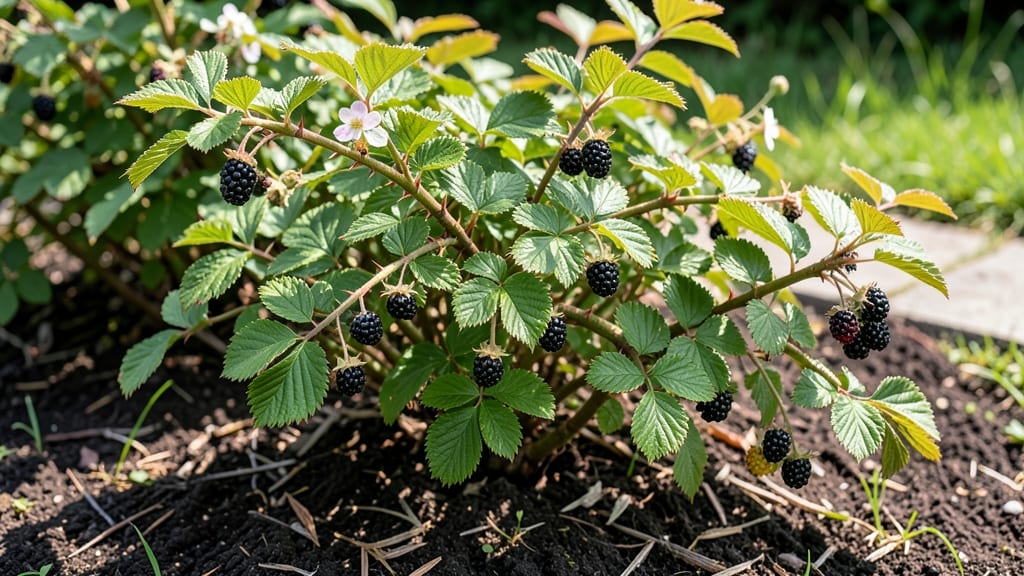
If you're planning a blackberry patch but don't know how tall does a blackberry bush grow, you're not alone—many gardeners underestimate their space needs. These vigorous shrubs can shoot up to 12 feet tall in ideal conditions, but the right variety and care make all the difference.
Blackberries like 'Triple Crown' stay compact at 4–6 feet, while sprawling types like 'Chester' reach 8–12 feet without support. Without proper pruning or trellising, even dwarf varieties can become unruly, crowding out sunlight and reducing fruit quality.
In this guide, I’ll break down exact height ranges by variety, spacing rules to prevent overgrowth, and simple pruning tricks to keep your bushes manageable. Whether you’re working with 6a climate zones or a small backyard, these tips will help you maximize yields without sacrificing space.
Ready to transform your garden into a thriving 🫐 blackberry haven? Let’s get started with the varieties and spacing secrets that make all the difference.


Blackberry bush height by variety: dwarf to giant ranges explained
Blackberry bushes can range from compact 3-foot dwarf varieties to towering 12-foot giants, depending on the type. Understanding these differences helps you choose the right variety for your garden space and trellising needs.
Some varieties spread aggressively, while others grow upright—each with unique height characteristics that impact yield and care.
For example, erect varieties like 'Triple Crown' grow 6–10 feet tall but stay bushy, making them ideal for small gardens. Meanwhile, trailing types like 'Chester' can reach 12 feet or more if left unchecked, requiring strong trellises or fences to support their sprawling canes.
Knowing these ranges prevents overcrowding and maximizes fruit production.
Here’s how height varies by variety, including thornless options perfect for home gardens and aggressive growers better suited for large-scale production:
Dwarf varieties like 'Arapaho' stay under 6 feet, making them perfect for container gardening or small backyards. Meanwhile, aggressive trailers like 'Chester' demand 10+ feet of space and sturdy trellises to prevent canes from sprawling uncontrollably.
Always check the mature spread too—some varieties spread twice as wide as they grow tall!
If you’re growing blackberries in USDA Zones 5–9, choose varieties that match your climate and space. For example, 'Natchez' thrives in humid climates but needs strong support due to its height. In contrast, 'Triple Crown' is more drought-tolerant and compact, ideal for drier regions or urban gardens.
Another key factor is growth habit. Erect varieties grow vertically with minimal sprawl, while trailing types send out long, arching canes that need horizontal support.
Semi-erect varieties, like 'Oregon Evergreen', fall between the two, offering a balance of height and spread. This distinction affects how you trellis and prune your bushes.
For first-year growth, expect blackberries to reach 2–3 feet tall. By year two, they’ll shoot up to 4–6 feet, and by year three, most varieties hit their mature height range.
Proper pruning in winter encourages stronger, more manageable growth in subsequent years. Skipping this step can lead to overcrowded canes, reducing airflow and increasing disease risk.
When planning your garden layout, account for both height and spread. A 6-foot-tall bush with a 10-foot spread will dwarf a small patio, while a 4-foot dwarf fits neatly into a raised bed.
Always leave extra space for trellises or fences, as blackberries need support to train canes upward and improve fruit quality.
If you’re unsure which variety to pick, start with thornless erect types like 'Arapaho' or 'Triple Crown'. They’re easier to manage, produce heavy yields, and adapt well to
Blackberry bush height by variety: dwarf to giant ranges explained
Blackberry bushes vary dramatically in height, from compact dwarf varieties to towering trailing giants. Understanding these differences helps you choose the right type for your space and trellising setup.
Most blackberries reach maturity between 4 and 12 feet, but some specialized cultivars stay under 3 feet—perfect for containers or small gardens.
The height of your blackberry bush also depends on its growth habit. Erect varieties grow upright like small trees, while trailing types sprawl aggressively along the ground or trellis.
Even within the same category, heights can differ by 3–5 feet, so variety selection is critical for planning your garden layout.
| Variety | Growth Habit | Mature Height | Spacing Needs |
|---|---|---|---|
| Chester Thornless | Erect | 6–8 ft | 3–4 ft apart |
| Natchez | Semi-erect | 5–7 ft | 4–5 ft apart |
| Arapaho | Trailing | 8–12 ft | 6–8 ft apart |
| Triple Crown | Erect | 4–6 ft | 3 ft apart |
For example, the Chester Thornless variety stays between 6 and 8 feet, making it ideal for small backyards with trellises. In contrast, trailing varieties like Arapaho can stretch up to 12 feet if unchecked, requiring more space and robust support structures.
Always check the mature height label when purchasing plants to avoid overcrowding.
Even within the same variety, height can vary based on growing conditions. Plants in full sun and well-drained soil tend to grow taller and produce more canes, while those in partial shade may stay shorter but yield fewer berries.
If you’re growing blackberries in containers, choose dwarf varieties like Triple Crown and prune aggressively to keep them under 5 feet.
Remember that blackberry canes grow 2–3 feet per year in ideal conditions.
If you’re planting near a fence or trellis, account for this rapid growth to prevent canes from smothering neighboring plants or blocking walkways. Thornless varieties are easier to manage in tight spaces, while thorny types often sprawl more aggressively.
Start with a small test patch if you’re unsure about variety heights. This lets you observe growth patterns before committing to a full garden. Pair taller varieties with strong trellises or fence lines, while dwarf types thrive in containers or raised beds.
With the right variety and spacing, your blackberry patch will thrive—no matter your garden size! 🫐🌱