
How To
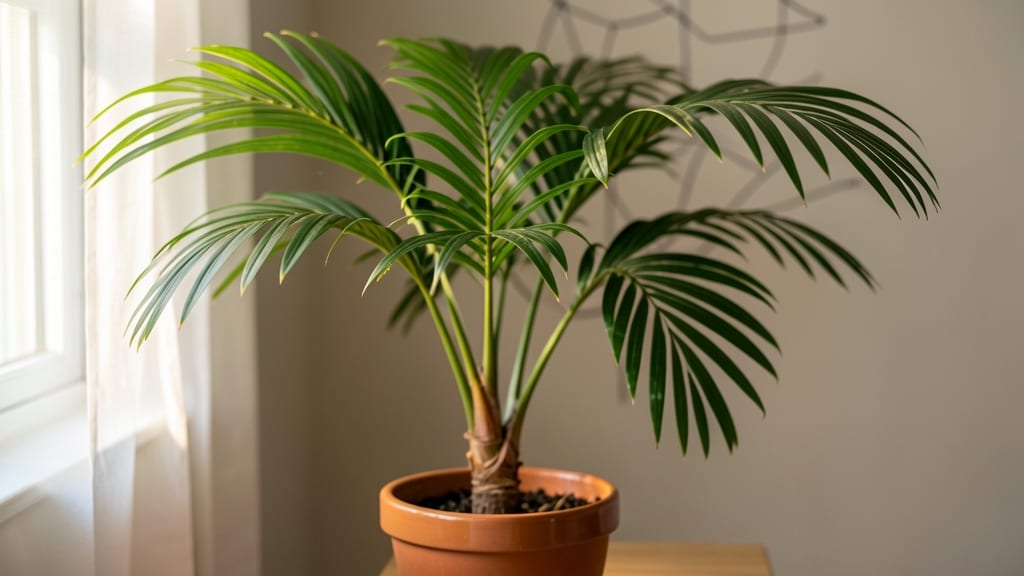
If you're wondering how tall does a cat palm grow, the answer might surprise you—this elegant 🌴 can reach heights that transform your space, whether indoors or out.
Unlike many houseplants, cat palms thrive with room to stretch, often climbing toward the ceiling in just a few years if given the right conditions.
Indoor cat palms typically grow between 3 and 10 feet, making them perfect for adding vertical interest without overwhelming small rooms. But outdoors, in warmer climates like USDA Zone 6a and above, they can soar to 15 feet or taller, becoming a stunning focal point in your garden.
The key difference? Sunlight and space.
If you're planning your layout, understanding these growth patterns helps you choose the right spot—whether that's a cozy corner for a compact version or a sunny patio for a towering statement plant. I'll break down exactly what influences their height and how to keep them thriving at your desired size.
Ready to turn your cat palm into the perfect height for your space? Let’s explore the factors that shape its growth and how to manage it like a pro.


Cat palm height guide: indoor growth limits and space requirements
If you’re wondering, "How tall does a cat palm grow?" indoors, the answer depends on your space and care routine. These tropical palms typically reach 3 to 10 feet when grown inside, but their height can be managed with the right techniques.
Unlike their outdoor counterparts, indoor cat palms grow slower due to limited light and space, making them perfect for apartments or cozy corners.
Your cat palm’s ultimate height hinges on three key factors: light exposure, pot size, and pruning habits.
For example, a palm in a 12-inch pot with bright indirect light may max out at 6 feet, while one in a 20-gallon container with optimal care could stretch toward 10 feet. Let’s break down how to maximize or minimize growth based on your needs.
🌱 Did You Know? Cat palms grow about 12 inches per year indoors, but this rate slows in winter when growth naturally pauses.
For those with limited ceiling space, aim for a compact cat palm by pruning regularly. Cut back 1/3 of the oldest fronds in early spring to redirect energy to newer growth. This trick keeps your palm at a manageable 3–5 feet while maintaining its lush appearance.
If you’re planning your layout, consider pairing your cat palm with low-growing companions like snake plants or pothos to create a balanced indoor jungle. These plants thrive under similar light conditions and won’t compete for vertical space.
One common misconception is that cat palms grow too fast indoors. In reality, they’re slow growers—ideal for beginners! With proper care, you’ll see steady growth over 3–5 years, making them a long-term investment for your home.
Pro tip: Rotate your cat palm quarterly to ensure even growth. This simple step prevents leggy stems and keeps the fronds full and vibrant, even as it reaches its mature height.
🪴 Space Planning Tip: Measure your ceiling height before buying! If your space is under 8 feet tall, opt for a younger plant or plan to prune regularly.
Outdoor cat palm growth: sunlight, climate, and maximum height potential
When your cat palm (Chamaedorea catleyana) thrives outdoors, it transforms into a towering tropical statement—often reaching heights of 10–15 feet or more under ideal conditions. Unlike its indoor counterpart, outdoor cat palms grow faster and taller due to abundant sunlight, humidity, and space.
However, their height depends heavily on your USDA hardiness zone, climate, and care practices.
In USDA zones 9–11, where winters are mild, cat palms can grow unrestricted for years, eventually surpassing 15 feet in height. In cooler zones (like zone 8 or below), growth slows significantly, and palms rarely exceed 6–8 feet unless protected from frost.
Humidity also plays a critical role—high-humidity regions (e.g., Florida, Hawaii) accelerate growth, while dry climates (e.g., Arizona) may stunt it.
Direct sunlight is a double-edged sword: while cat palms tolerate morning sun, afternoon rays can scorch leaves. Plant them in partial shade (e.g., under high-canopy trees) to balance growth and health. Without proper shade, leaves may yellow or brown, slowing vertical expansion.
Outdoor Cat Palm Growth Comparison
| Factor | Zone 9-11 Growth | Zone 8 or Cooler |
|---|---|---|
| Sunlight | Partial shade (6+ hrs indirect) | Partial shade (4–5 hrs max) |
| Mature Height | 10–15+ feet | 6–8 feet (protected) |
| Growth Rate | 1–2 feet/year | 6–12 inches/year |
| Winter Care | None (frost-free) | Mulch + frost cloth |
| Soil Needs | Well-draining, slightly acidic | Rich, organic matter |
Note: Container-grown cat palms grow slower outdoors but can still reach 6–10 feet with proper care.
To encourage maximum height, focus on root health and nutrient-rich soil. Amend garden beds with compost or peat moss to improve drainage and fertility. In drought-prone areas, deep watering 2–3 times weekly during summer prevents stunted growth. Avoid over-fertilizing with nitrogen—this promotes leafy foliage over height.
In cooler climates, overwintering is critical. Use mulch (3–4 inches) around the base and wrap the trunk with burlap if temperatures dip below 25°F. Move potted cat palms to a garage or shed for the season to prevent frost damage, which can kill the plant entirely.
With proper winter care, your palm will rebound in spring, resuming upward growth.
For landscape integration, pair cat palms with tall grasses (e.g., Miscanthus) or dwarf banana trees to create a layered tropical effect. Their arching fronds also complement palm-like shrubs like Dracaena or Yucca.
Just ensure they have 3–5 feet of clearance from structures to avoid leaf damage as they mature.
If you’re aiming for a statement-height palm, prioritize outdoor planting in warm zones and provide consistent moisture. With patience, your cat palm could become a 20-foot tropical giant—though pruning may be needed to maintain its shape.
For smaller spaces, consider dwarf varieties like 'Bella', which max out at 6–8 feet.