
How To
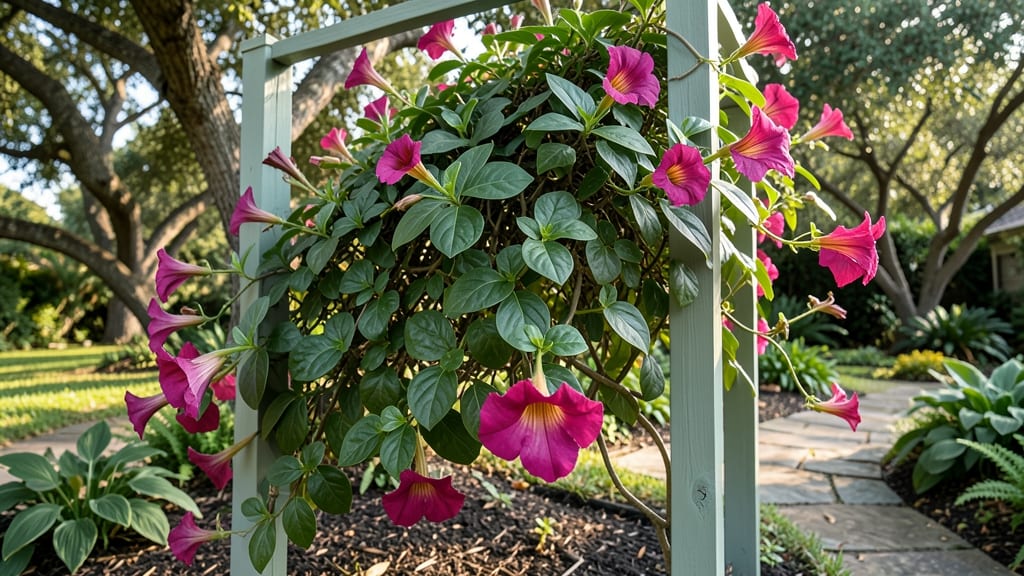
If you’re wondering how tall does a mandevilla grow, the answer might surprise you—these tropical beauties can stretch from 3 feet to towering 15 feet depending on the variety and care.
Whether you’re dreaming of a dramatic vine climbing your trellis or a compact bush for containers, understanding their growth habits is key to planning your garden layout.
The most common mandevilla varieties, like the showstopping Mandevilla sanderi, can reach 10-15 feet when given room to climb, while dwarf types stay neatly between 3-5 feet. That’s why choosing the right cultivar—and knowing how to train it—can make all the difference in your outdoor space.
But here’s the secret: pruning and support structures can dramatically alter their height. With the right techniques, you can keep even the tallest varieties manageable or encourage bushier growth for a fuller look. Let’s break down what influences their height and how to shape them to fit your garden perfectly.
From container gardening to trellis training, I’ll share practical tips to control their growth—whether you want a 3-foot accent plant or a 15-foot tropical statement piece. Ready to transform your space with these stunning vines? Let’s get started.


Mandevilla growth height by variety: vining giants vs compact cultivars
Mandevilla plants are famous for their vibrant blooms and fast-growing vines, but their mature height can vary dramatically depending on the variety. Some sprawl like tropical giants, while others stay neatly contained—making them perfect for small spaces.
Let’s break down the height ranges you can expect, so you can choose the right mandevilla for your garden or patio.
If you love the idea of a dramatic vertical display, varieties like Mandevilla sanderi (Alice du Pont) can climb to 10–15 feet when given a sturdy trellis or fence. Meanwhile, compact cultivars like Mandevilla boliviensis (Chilean fireball) max out at 3–6 feet, ideal for containers or small balconies.
The key? Pruning and training play huge roles in controlling height.
Here’s how popular mandevilla varieties compare in terms of mature height, growth habits, and ideal support structures:
| Variety | Mature Height | Growth Habit | Best Support | Notes |
|---|---|---|---|---|
| Mandevilla sanderi (Alice du Pont) | 10–15 ft | Fast-climbing vine | Trellis, arbor, or fence | Needs strong support; prune to control spread |
| Mandevilla boliviensis (Chilean fireball) | 3–6 ft | Bushy, semi-trailing | Containers or small trellises | Drought-tolerant; great for patios |
| Mandevilla x amabilis (Sunset hybrid) | 6–10 ft | Semi-vining | Arbor or tall container | Cold-hardier than others; blooms prolifically |
| Mandevilla laxa (Lax mandevilla) | 5–8 ft | Trailing or climbing | Trellis or pergola | Thrives in heat; great for tropical themes |
| Mandevilla splendens (Showy mandevilla) | 4–7 ft | Bushy, upright | Containers or small trellises | Fragrant flowers; slower grower |
For small-space gardeners, dwarf varieties like Mandevilla boliviensis are game-changers. They stay under 6 feet and thrive in 10–15 gallon containers, making them perfect for balconies or window boxes.
Even the tallest varieties, like Mandevilla sanderi, can be pruned back to 6–8 feet if you prefer a more manageable size.
If you’re growing mandevilla in containers, height is easier to control. A 5-gallon pot will limit growth to 3–5 feet, while a 15-gallon container can support 6–10 feet of vine. Just remember: root-bound plants grow slower, so upgrade pots every 2–3 years for optimal height.
Climate also affects height. In warmer zones (USDA 9–11), mandevillas grow faster and taller year-round. In cooler zones (USDA 8–9), they may only reach half their mature height unless overwintered indoors.
For example, a Mandevilla sanderi in Zone 9 might max out at 8 feet instead of 15 feet.
Pro tip: Prune in early spring to encourage
Mandevilla growth height by variety: vining giants vs compact cultivars
Mandevilla plants are famous for their dramatic vines and vibrant blooms, but their mature height can vary wildly depending on the variety. Some sprawl like tropical giants, while others stay neatly contained—making them perfect for small spaces.
Let’s break down the height ranges you can expect from popular mandevilla types, so you can choose the right fit for your garden or patio.
First, it’s important to note that mandevillas are woody vines when mature, meaning they’ll climb or trail aggressively if given the chance. Without support, they can sprawl 10–15 feet wide, but with proper training, you can guide their growth to suit your needs.
For example, Mandevilla sanderi (the classic "Alice du Pont" variety) is a vining giant, often reaching 10–15 feet tall on a trellis or fence, while Mandevilla boliviensis ("Bolivian Sun") tends to stay slightly shorter at 8–12 feet.
Here’s where things get interesting: some newer hybrids and dwarf varieties are specifically bred to stay compact and bushy. For instance, Mandevilla 'Amethyst Showers' typically maxes out at 3–5 feet tall, making it ideal for containers or small gardens.
Similarly, Mandevilla 'Pink Velour' grows 6–8 feet tall but can be pruned to keep it more manageable. The key takeaway? Height isn’t set in stone—it’s all about variety selection and care.
| Variety | Mature Height (with support) | Climbing Habit | Best For |
|---|---|---|---|
| Mandevilla sanderi ('Alice du Pont') | 10–15 ft | Aggressive climber | Trellises, fences, large gardens |
| Mandevilla boliviensis ('Bolivian Sun') | 8–12 ft | Moderate climber | Containers, small trellises |
| Mandevilla 'Amethyst Showers' | 3–5 ft | Bushy, minimal climbing | Patio pots, small spaces |
| Mandevilla 'Pink Velour' | 6–8 ft | Moderate climber | Balconies, medium trellises |
| Mandevilla 'Red Canary' | 5–7 ft | Compact climber | Hanging baskets, small trellises |
Note: Heights can vary based on pruning, sunlight, and container size.
If you’re growing mandevillas in containers, expect their height to be 30–50% shorter than their full potential. For example, a Mandevilla sanderi in a 15-gallon pot might only reach 6–8 feet tall unless you provide a sturdy trellis.
Container-grown mandevillas also benefit from regular pruning to encourage bushier growth and prevent leggy stems. Pro tip: Use terracotta pots for better drainage, as mandevillas hate soggy roots.
For gardeners in cooler climates (USDA Zones 9–11), mandevillas are typically grown as annuals or overwintered indoors. In these cases, their height growth slows significantly in winter, but with proper care, they can bounce back to full size in spring.
If you’re in Zone 10 or warmer, expect year-round growth with heights reaching their maximum by year 3. Just remember: pruning in late winter (before new growth starts) helps reset their shape and encourages denser foliage.
Whether you’re aiming for a vertical garden statement or a compact patio plant, choosing the right mandevilla variety is half the battle. The other half? Giving them the right support and care to thrive at the height you desire.
Next, we’ll dive into pruning techniques and training hacks to keep your mandevilla at your ideal height—without sacrificing those stunning blooms. 🌿