
How To
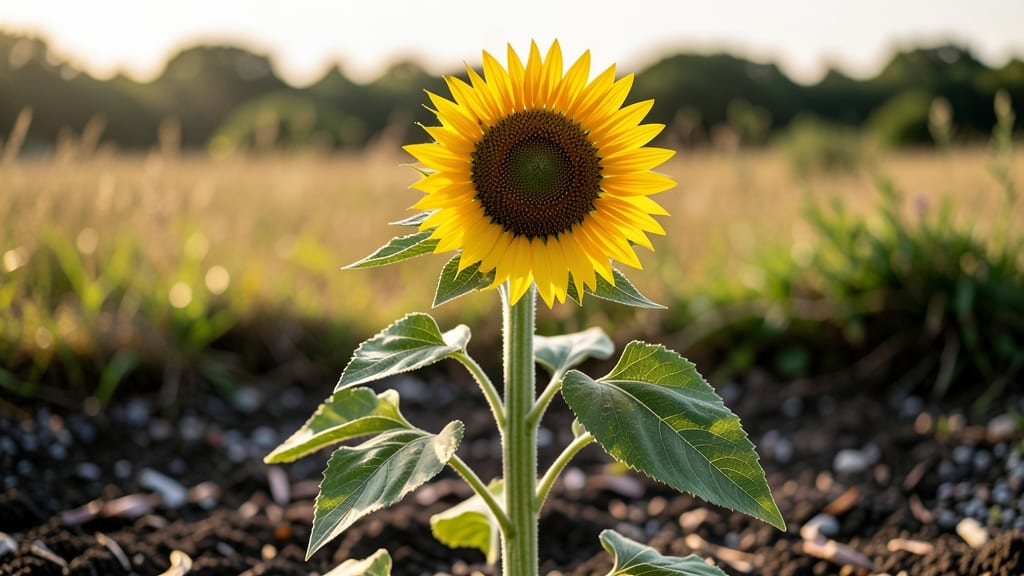
If you’ve ever wondered how tall does a sunflower grow, you’re not alone—these cheerful giants can stretch from barely taller than your knee to towering over your head like a living skyscraper. 🌻 Whether you’re dreaming of a whimsical 3-foot dwarf variety for a patio or aiming for a record-breaking 16-foot giant, the height of your sunflower depends on more than just luck.
The truth is, sunflower height isn’t just about the variety you pick—it’s a mix of genetics, sunlight, soil, and even how much you water them. A Teddy Bear sunflower might stay cozy at 2-3 feet, while a Russian Giant could reach the clouds if given the right conditions.
But here’s the game-changer: with the right care, even average varieties can push their limits.
In this guide, I’ll break down the exact height ranges for popular sunflower types, the factors that make them stretch (or stay short), and pro tips to grow the tallest—or shortest—sunflowers in your garden.
Whether you’re a beginner or a seasoned gardener, you’ll learn how to coax the perfect height out of your plants.
Ready to turn your sunflower patch into a vertical wonderland? Let’s dive into the science—and secrets—behind these sun-soaked giants.


Sunflower height by variety: from dwarf to giant species
Sunflowers come in a stunning array of heights, from compact dwarfs perfect for containers to monster varieties that reach skyscraper proportions. The maturity height you achieve depends entirely on the variety you choose, with some reaching just 12 inches tall while others stretch toward 16 feet.
Let’s explore the spectrum so you can pick the perfect sunflower for your space and goals.
For gardeners with limited space, dwarf varieties like 'Teddy Bear' or 'Moulin Rouge' are ideal, topping out at 2-3 feet. These are perfect for patio pots or window boxes while still delivering those iconic sunflower blooms.
On the opposite end, giant varieties like 'Russian Giant' or 'Mammoth' can shoot up to 12-16 feet, making them a dramatic focal point in any garden.
Here’s a quick visual guide to help you compare the most popular sunflower varieties by height ranges and ideal growing conditions:
| Variety | Height Range | Growth Rate | Best For |
|---|---|---|---|
| Teddy Bear | 12-18 inches | Slow to medium | Containers, cut flowers |
| Moulin Rouge | 2-3 feet | Medium | Beds, borders |
| Autumn Beauty | 3-5 feet | Fast | Cut flowers, pollinators |
| Russian Giant | 10-16 feet | Very fast | Dramatic displays, competitions |
| Mammoth | 8-14 feet | Fast | Tall gardens, windbreaks |
| Procut | 5-7 feet | Medium | Commercial cut flowers |
If you’re growing sunflowers for cut flowers, varieties like 'Autumn Beauty' or 'Procut' strike the perfect balance between height and durability. Their stems are sturdy enough to hold up in vases while still being manageable in most gardens.
For children’s gardens or small spaces, the 'Teddy Bear' series is a fantastic choice—it’s non-toxic, easy to grow, and won’t overwhelm your yard.
For those chasing the Guinness World Record, the 'Russian Giant' is the undisputed champion. These sunflowers can grow 3 feet in just 10 days under ideal conditions, reaching their full height in about 80-100 days.
However, they require ample space, rich soil, and consistent care to achieve their full potential.
One surprising fact about sunflower heights is that dwarf varieties often bloom faster than their towering cousins. While a 16-foot giant might take 100+ days to mature, a 2-foot dwarf can flower in as few as 50 days.
This makes them ideal for early summer color or successive planting for extended blooms.
Before planting, consider your garden layout. A 14-foot sunflower needs at least 2 feet of space around it to avoid shading smaller plants. In tight spaces, opt for semi-dwarf varieties like 'Autumn Beauty' or 'Procut', which top out at 5-7 feet but still produce large, vibrant blooms.
Pro tip: If you’re growing giant varieties, stake them early to prevent wind damage. A simple bamboo stake or trellis can support their weight and keep them upright, especially in windy climates. Even dwarf varieties benefit from a little support if you’re growing them in containers.
🌻
Factors that influence sunflower height: soil, sun, and genetics
Sunflower height isn’t just about variety—it’s a dance between genetics and growing conditions. Soil quality, sunlight exposure, and even watering habits can push your sunflowers toward sky-scraping heights or keep them stunted.
Let’s break down the key factors that determine whether your sunflowers will reach 10 feet or stay under 3 feet.
First, genetics play the biggest role. If you plant a dwarf variety like 'Teddy Bear,' expect heights between 1-3 feet. But if you choose a giant cultivar like 'Russian Giant,' you’re looking at 10-16 feet of growth potential.
Even with perfect care, genetics set the upper limit, but other factors can help you maximize—or minimize—that potential.
Next, sunlight is non-negotiable. Sunflowers thrive in full sun (6-8+ hours daily). Without enough light, their stems grow weak and leggy, stunting height. In shady spots, even the tallest varieties may only reach 50% of their potential height.
If your garden is low-light, consider reflective surfaces or a south-facing window to boost light exposure.
Soil nutrients also make or break height. Sunflowers need balanced nutrition, especially phosphorus for root development and nitrogen for stem strength. Overdoing nitrogen can lead to lush foliage but weak stems, while too little phosphorus stunts root growth, limiting height.
A 10-10-10 fertilizer applied every 4-6 weeks keeps them growing tall and sturdy.
✅ DO THIS
- 💧 Water deeply 1-2x weekly (1-2 gallons per plant)
- ☀️ Place in full sun (6+ hours) for maximum growth
- 🌱 Use loamy, well-draining soil with compost
- 🌿 Space plants 12-24 inches apart (giants need more room)
❌ AVOID THIS
- 💦 Overwatering (leads to root rot and weak stems)
- 🌑 Planting in shade or partial sun (stunts growth)
- 🪴 Crowding plants (competes for nutrients and sunlight)
- 🌱 Skipping fertilizer (limits nutrient uptake)
Watering habits often get overlooked, but they’re critical. Sunflowers need consistent moisture, especially during their rapid growth phase (weeks 4-8). Watering at the base in the morning prevents fungal diseases and ensures deep root growth.
However, overwatering can suffocate roots, leading to stunted growth or even collapse. Aim for 1-2 gallons per plant weekly, adjusting for rain.
Finally, wind and spacing can dramatically affect height. Tall varieties like 'Mammoth' need staking or trellising to prevent them from toppling over. Without support, they may grow lopsided or lean, reducing their vertical potential. In windy areas, consider planting near a windbreak or using bamboo stakes for stability.
By mastering these factors, you’ll unlock your sunflowers’ full height potential—whether you’re growing a compact patio variety or a record-breaking giant. The right conditions turn your garden into a sunflower skyscraper! 🌻