
How To
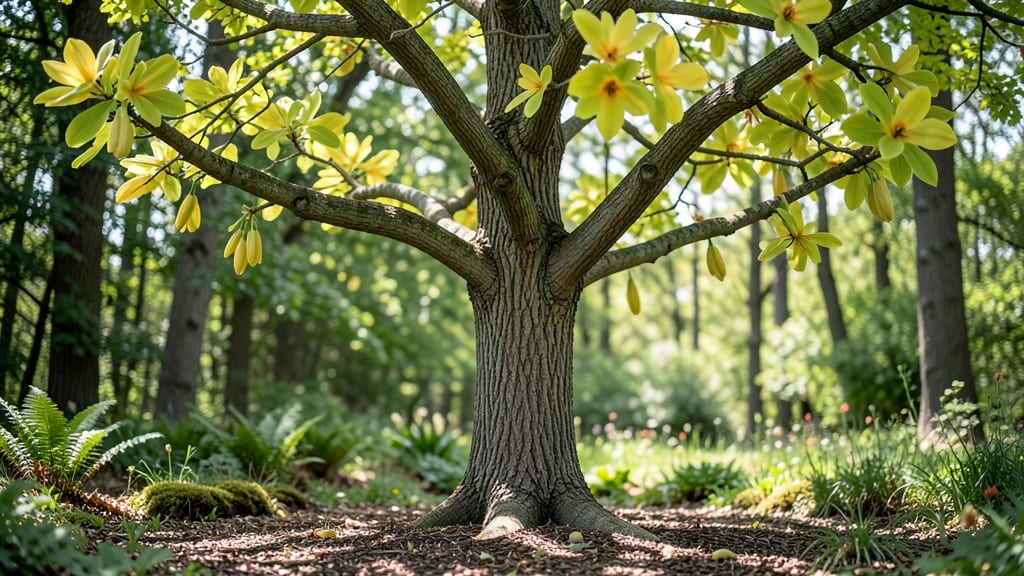
If you’ve ever wondered how tall that towering tulip tree 🌳 in your neighbor’s yard could grow, the answer might surprise you—these giants of the forest can reach heights that dwarf even the tallest buildings.
Standing between 40 and 90 feet at maturity, the tulip tree isn’t just a backyard decoration; it’s a statement piece that commands attention and transforms any landscape into a woodland retreat.
But here’s the thing: their growth isn’t just about raw height. These trees shoot up at an impressive 3 to 5 feet per year when conditions are ideal, turning a small sapling into a sky-scraping giant in just a few decades.
Whether you’re dreaming of a shade-providing colossus or trying to plan your garden layout, understanding how fast and how tall tulip trees grow is the key to making them work for your space—without them ending up as an accidental skyscraper.
Of course, not every tulip tree will hit the 90-foot mark, and that’s where the real fun begins. Factors like sunlight, soil quality, and even your pruning habits can steer their growth in wildly different directions.
In the next sections, I’ll break down exactly how to manage their size—whether you’re aiming for a controlled height in a small yard or just want to know what to expect when you plant one today.
Ready to turn your backyard into a mini-forest? Let’s dive into the secrets behind these skyward giants and how you can shape their growth to fit your vision—without losing your roof in the process.


Tulip tree height: from seedling to sky-splitting giant
The tulip tree (Liriodendron tulipifera) is a true giant among shade trees, capable of reaching heights that will leave you breathless. In ideal conditions, these trees can grow between 60 to 90 feet tall, with some specimens even surpassing 100 feet in their native habitats.
For home gardeners, the typical range is 40 to 70 feet, making them one of the fastest-growing and tallest hardwood trees in North America.
Their rapid ascent—often 3 to 5 feet per year—means they can quickly become the centerpiece of any landscape, or the reason you need to start planning your backyard's vertical expansion early!
What makes the tulip tree's height so impressive is its ability to thrive in diverse climates, from the humid Southeast to the cooler regions of the Midwest. However, their ultimate height is heavily influenced by soil quality, sunlight exposure, and climate conditions.
For example, a tulip tree planted in rich, well-drained soil with full sun exposure will grow significantly taller than one struggling in compacted or waterlogged soil.
Urban planting strips or small yards might see more stunted growth due to limited root space, while rural properties with open skies can expect the full skyward potential.
If you're wondering whether a tulip tree is the right fit for your space, consider this: their canopy spread (typically 30 to 50 feet wide) means they need ample room to avoid crowding other plants or structures.
In suburban settings, homeowners often opt for dwarf varieties or strategic pruning to keep heights more manageable—though even then, these trees will still reach 30 to 40 feet at maturity. The key is planning ahead, as their rapid growth can outpace even the most optimistic garden layouts!
| Growth Stage | Height Range | Key Influences |
|---|---|---|
| Seedling (Year 1) | 2–5 feet | Soil drainage, watering consistency |
| Sapling (Years 2–5) | 6–20 feet | Sunlight exposure, pruning habits |
| Mature (Years 10–20) | 40–70 feet | Climate, root space, nutrient availability |
| Giant (30+ years) | 70–100+ feet | Native habitat conditions, minimal pruning |
The growth rate of a tulip tree is another factor that can surprise gardeners. In their first decade, these trees can add up to 5 feet per year, especially when planted in fertile soil with plenty of sunlight.
After 20 years, their growth slows to 1 to 2 feet annually, but they continue to thicken and strengthen their trunk. This rapid early growth is why many gardeners plant tulip trees as focal points—they deliver quick results compared to slower-growing species like oaks or maples.
For those in colder climates (USDA Zones 4–5), tulip trees may grow slightly slower due to shorter growing seasons, but they remain hardy down to -20°F. In warmer zones (Zones 6–9), their growth can be even more vigorous, with some trees reaching 80 feet in under 30 years.
If you're in a region with hot summers, ensure they have access to morning sun and afternoon shade to prevent leaf scorch, which can stress the tree and slightly stunt its growth.
One common misconception is that tulip trees grow best in poor soil. While they’re adaptable, they thrive in well-draining, slightly acidic soil (pH 5.0–6.5). Amending clay or sandy soil with compost or organic matter can significantly boost their height and overall health.
If your soil is compacted or waterlogged, consider planting in a raised bed or mound to improve drainage and encourage faster, healthier growth.
If you're planning to plant a tulip tree near your home, keep in mind its root system. These trees develop deep, extensive roots that can spread 2 to 3 times the width of their canopy.
Planting too close to foundations, sidewalks, or septic systems can lead to root conflicts or even structural damage over time. Always maintain a 15–20 foot buffer from buildings and hardscapes to avoid future issues.
For gardeners with limited space, there’s good news: while you can’t drastically reduce a tulip tree’s height, you can manage its growth through pruning and selective planting.
Choosing a smaller variety (like the 'Arnold' cultivar) or planting in a container for a few years before transplanting can help control its early development. Even with these measures, expect a mature height of at least 30 feet, so plan accordingly!
In the end, the tulip tree's height is a testament to its resilience and beauty. Whether you're drawn to its tulip-shaped flowers, golden fall foliage, or the shade it provides, this tree is a long-term investment in your landscape.
Just remember: the bigger the dream, the bigger the space it’ll need to grow into!
Tulip tree height: from seedling to sky-splitting giant
The tulip tree (Liriodendron tulipifera) is a true giant among shade trees, capable of reaching heights that will leave your neighbors in awe.
On average, these trees grow between 60 to 70 feet in ideal conditions, though some specimens can soar up to 90 feet—taller than a three-story building! Their rapid growth rate of 3 to 5 feet per year makes them one of the fastest-growing hardwood trees in North America.
If you're planning to plant one in your yard, understanding its mature size is crucial. A tulip tree's height depends heavily on its growing conditions, including sunlight exposure, soil quality, and climate zone.
In urban settings with limited space, their growth may be slightly stunted, but they’ll still reach impressive heights of 40 to 50 feet over time.
Here’s how their height breaks down by growth stage:
| Stage | Average Height | Timeframe |
|---|---|---|
| Seedling | 2–5 ft | Year 1 |
| Sapling | 10–20 ft | Years 3–5 |
| Mature Tree | 60–90 ft | 20+ Years |
One of the biggest factors influencing a tulip tree's height is sunlight exposure. These trees thrive in full sun (6+ hours daily), which fuels their rapid vertical growth.
In shadier conditions, their height may be limited to 40 to 50 feet, but their canopy will spread wider to capture more light.
Soil quality also plays a role—well-draining, slightly acidic soil (pH 5.0–6.5) promotes healthier root systems, allowing the tree to reach its full potential height. Poor soil or waterlogged conditions can stunt growth, leading to a shorter, less robust specimen.
If you’re in a warmer climate (USDA Zones 4–9), your tulip tree will grow faster and taller than in cooler regions. For example, trees in the Deep South can hit 80 feet in 20 years, while those in the Northeast may take longer to reach the same height.
For gardeners with limited space, don’t worry—you can still enjoy a tulip tree’s beauty by choosing a container-grown dwarf variety or practicing strategic pruning to control its height. With the right care, even a smaller tulip tree can be a stunning focal point in your landscape! 🌳