
How To
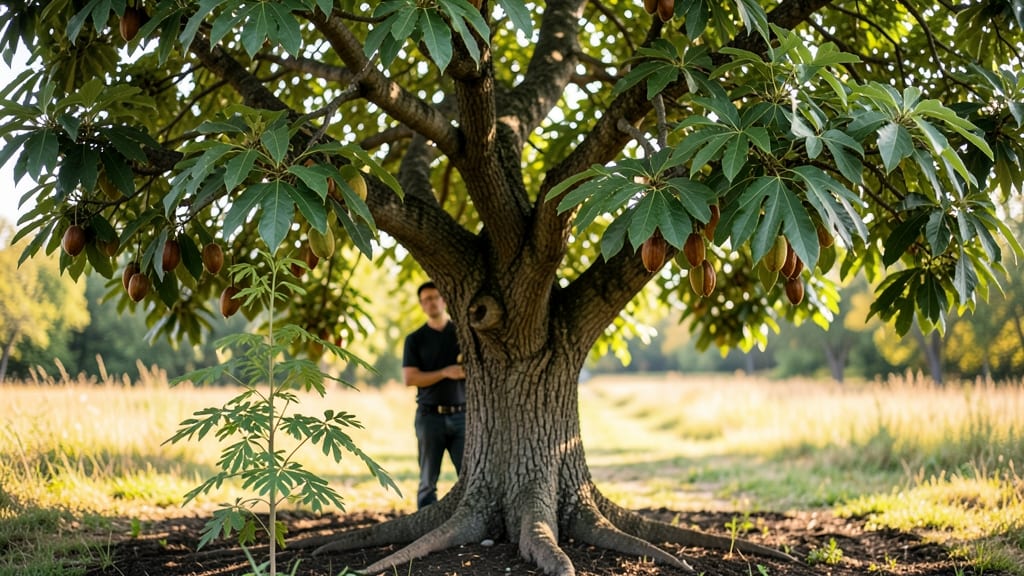
If you're wondering how tall does a walnut tree grow, the answer might surprise you—these majestic 🌳 giants can stretch from a modest 20 feet to towering heights of over 130 feet, depending on the variety. That’s like comparing a small apartment building to a skyscraper!
Before you plant one, knowing these height ranges will help you decide whether your backyard can handle a full-grown walnut tree or if a dwarf variety is a better fit.
English walnut trees, for example, typically reach 50 to 80 feet at maturity, while black walnuts can grow even taller, sometimes exceeding 100 feet in ideal conditions. If you’re working with limited space, certain dwarf varieties stay under 30 feet, making them perfect for smaller gardens or urban landscapes.
The key to managing height lies in understanding your tree’s growth potential early on.
Growing conditions play a huge role in how tall your walnut tree becomes. Rich soil, plenty of sunlight, and proper spacing all influence its height over time.
In regions like USDA Zone 6a, where spring planting is ideal, you’ll want to plan for long-term growth—especially if you’re dreaming of a tree that provides shade for generations. But don’t worry, even in larger spaces, pruning and care can help keep your walnut tree at a manageable size.
Whether you’re a seasoned gardener or just starting, knowing these height ranges will help you make the best choice for your space. Let’s dive into the specifics of walnut tree varieties and how to keep them thriving—no matter how tall they grow!


Walnut tree height by variety: from dwarf to giant species
If you're planning to add a walnut tree to your landscape, understanding its mature height is essential for proper spacing and long-term care. Walnut trees vary dramatically in size—from towering giants to more manageable dwarf varieties.
The English walnut (Juglans regia) and black walnut (Juglans nigra) are the most common species, but hybrids and specialty varieties like heartnut (Juglans ailantifolia) also offer unique height profiles.
Standard black walnut trees can reach heights of 70 to 130 feet at maturity, making them unsuitable for small yards. Meanwhile, dwarf varieties like 'Thomas' or 'Paradox' stay between 20 to 30 feet, perfect for urban gardens or container growing.
Knowing these differences helps you choose the right variety for your space and vision.
🌱 Here’s a quick comparison: A standard walnut tree’s height rivals a 10-story building, while dwarf types fit neatly in a 3-car garage. Your choice depends on whether you prioritize nuts, shade, or aesthetic appeal.
| Variety | Mature Height | Growth Rate | Best For |
|---|---|---|---|
| Black Walnut (Standard) | 70–130 ft | Slow to moderate | Large estates, woodlots |
| English Walnut (Standard) | 50–80 ft | Moderate | Orchards, large yards |
| Heartnut (Standard) | 40–60 ft | Moderate | Small farms, mixed plantings |
| Dwarf Varieties (e.g., 'Thomas') | 20–30 ft | Slow | Urban gardens, containers |
| Hybrid Varieties (e.g., 'Paradox') | 30–50 ft | Moderate | Medium-sized yards |
The black walnut is the tallest species, often exceeding 100 feet in ideal conditions, while English walnut varieties tend to be slightly shorter but produce larger, more uniform nuts. Heartnut trees strike a balance, offering moderate height and cold hardiness.
For those with limited space, dwarf rootstocks are a game-changer, reducing height by up to 75%.
Regional climate also plays a role in height. In warmer USDA zones (7-9), walnut trees grow faster and taller, while in cooler zones (4-6), growth slows, and mature heights may be slightly reduced.
For example, a black walnut in Zone 5 might max out at 60 feet, whereas the same tree in Zone 8 could reach 120 feet.
If you’re growing walnuts for nut production, taller varieties yield more but require more space. For ornamental value, dwarf types offer stunning foliage without the commitment to a massive tree.
Always check the rootstock type when selecting a nursery tree—some labeled as "dwarf" may still grow taller over time.
Before planting, measure your yard’s available space and consider overhead obstructions like power lines. A 100-foot tree needs at least 50 feet of clearance from structures. If you’re unsure, opt for a semi-dwarf variety like 'Serr' or 'Vina', which tops out around 40 feet while still producing abundant nuts.
🌳 Pro Tip: Always plant walnut trees at least 30 feet from buildings to prevent root damage and ensure proper airflow, which reduces disease risk and promotes healthier growth.
For urban gardeners, container-growing dwarf walnut trees is an option, but they’ll need large pots (3+ feet deep) and regular pruning to manage height. Even then, expect some growth beyond the 20-foot mark over decades.
If space is truly limited, consider growing walnut trees as bonsai—though this requires advanced techniques and won’t produce edible nuts.
Understanding these height variations ensures you choose a walnut tree that fits your landscape goals, whether you’re aiming for a shade canopy, nut harvest, or simply a striking focal point. Next, let’s explore how quickly these trees grow—and when you’ll see those towering branches take shape!
Walnut tree height by variety: from dwarf to giant species
Walnut trees are majestic giants that can dominate your landscape—but not all varieties reach skyscraper heights. The black walnut and English walnut are the most common, but their mature heights vary dramatically.
Standard black walnuts can soar to 70–130 feet, while dwarf varieties stay under 20 feet. Choosing the right type depends on your space and long-term goals.
For small gardens, consider dwarf rootstock varieties like 'Thomas' or 'Paradox,' which max out around 20–30 feet. These are grafted onto smaller root systems to control height while still producing high-quality nuts.
In contrast, standard black walnuts like 'Juglans nigra' grow 50–100 feet tall, making them better suited for large rural properties or orchards.
🌳
| Variety | Mature Height | Growth Rate | Best For |
|---|---|---|---|
| Black Walnut (Standard) | 50–130 ft | Slow to moderate | Large landscapes, orchards |
| English Walnut | 30–60 ft | Moderate | Urban yards, smaller properties |
| Dwarf Black Walnut (grafted) | 20–30 ft | Slow | Small gardens, containers |
| Heartnut (Hybrid) | 40–70 ft | Moderate | Medium-sized yards |
If you're planting near power lines or buildings, opt for semi-dwarf varieties like 'Eureka' English walnut, which tops out at 30–50 feet. These still produce abundant nuts but with less aggressive growth. Always check local regulations—some areas restrict trees over 30 feet near structures for safety reasons.
Soil and climate also influence height. Walnut trees thrive in well-draining soil with full sun, but poor soil or shade can stunt growth. In cooler climates (USDA Zones 4–6), growth may be slower, while warmer zones (7–9) can accelerate height gains.
For example, a black walnut in Zone 8 might reach 10 feet in 5 years, while the same tree in Zone 5 could take 7–10 years.
Pro tip: Spreading roots can extend 1.5–2 times the tree's height, so plan spacing accordingly. A 100-foot black walnut needs at least 150 feet of clear space to avoid root competition with other plants. Mulch heavily to protect roots and encourage steady growth without height spikes.
For container growing, stick to dwarf varieties in large pots (20+ gallons). Even then, expect 15–20 feet at maturity—ideal for patios or balconies with sturdy railings. Just ensure the container has drainage holes and you’re prepared for regular pruning to manage size.