
How To
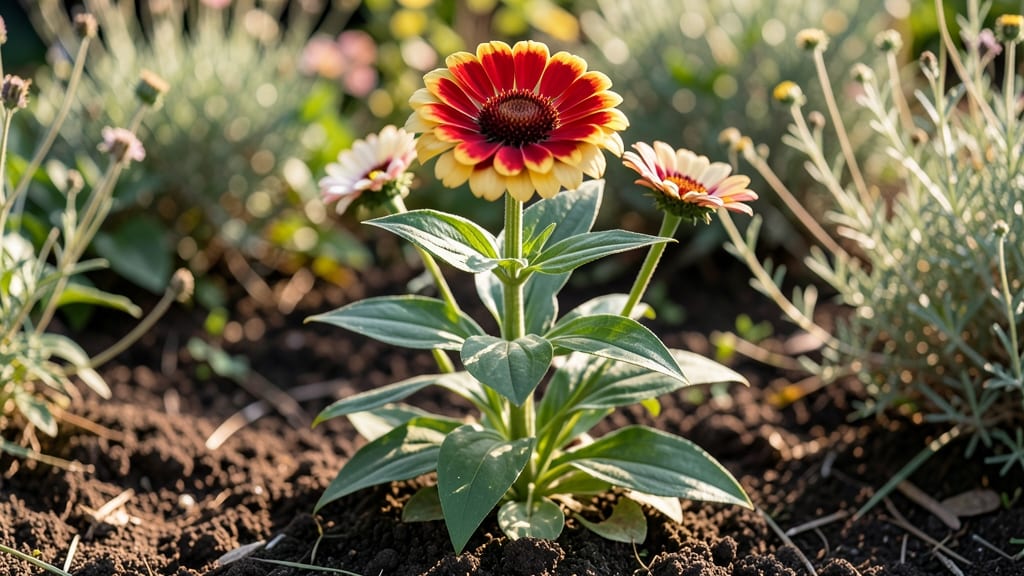
If you’ve ever wondered how tall does a zinnia grow, the answer might surprise you—these cheerful blooms can range from tiny 6-inch dwarfs to towering 4-foot giants, all while thriving in USDA Zone 6a.
Knowing the height of your zinnias isn’t just about aesthetics; it’s the key to planning your garden layout, choosing the right varieties, and ensuring every bloom gets the sunlight and space it needs to shine.
Picture this: a semi-dwarf zinnia at 1-2 feet tucked behind a tall variety reaching 3-4 feet, creating a stunning layered display that draws the eye upward. But here’s the catch—without proper spacing, even the most vibrant zinnias can get crowded, leading to fewer blooms and leggy stems.
The good news? With a few simple adjustments, you can control their growth and keep your garden looking its best from June through October.
Whether you’re planting zinnias in containers, garden beds, or along a fence, understanding their mature height helps you avoid common pitfalls. Too much shade? They’ll stretch. Not enough pruning? They’ll flop. But get it right, and you’ll have a continuous bloom that’s perfect for cutting or admiring.
Let’s break down exactly how tall zinnias grow—and how to keep them thriving at their best height.
Ready to transform your garden? Explore our zinia care guide for more tips on spacing, sunlight, and pruning to maximize those gorgeous blooms. Your spring-planted zinnias will thank you!


Zinnia height by variety: a complete growth chart with best uses
Zinnias come in a stunning array of heights and colors, making them incredibly versatile for any garden. Whether you're planning a cutting garden, a container display, or a border bed, knowing the mature height of each variety helps you create a visually balanced layout.
Some varieties stay compact at just 6 inches tall, while others can reach towering heights of 4 feet or more—each with its own unique charm and purpose in your garden design.
Gardeners often ask, "How tall do zinnias grow?" The answer depends entirely on the variety you choose. Dwarf zinnias are perfect for container gardens and window boxes, while tall varieties make excellent cut flowers and backdrop plants.
Let’s explore the most popular types and their mature heights so you can plan your garden with confidence.
| Variety | Mature Height | Bloom Size | Best Uses | Notes |
|---|---|---|---|---|
| Thumbelina Series | 6–12 inches | 1–2 inches | Containers, borders, edging | Dwarf variety; ideal for small spaces |
| Crystal Series | 12–18 inches | 2–3 inches | Cut flowers, borders, pollinator gardens | Semi-dwarf; great for cutting |
| Benary’s Giant Series | 3–4 feet | 4–5 inches | Cut flowers, back of beds, bouquets | Tallest variety; may need staking |
| Profusion Series | 12–18 inches | 2–3 inches | Mass plantings, pollinators, containers | Compact and prolific bloomer |
| State Series | 2–3 feet | 3–4 inches | Cut flowers, mixed borders, pollinators | Heat-tolerant; great for summer blooms |
The Thumbelina Series is my go-to for container gardens and window boxes because its 6–12 inch height fits perfectly in small spaces. These zinnias thrive in pots and even hanging baskets, making them ideal for balconies and patios.
Their small but vibrant blooms add a pop of color without overwhelming the space.
If you're dreaming of stunning cut flowers, the Benary’s Giant Series is a must-try. These zinnias can reach 3–4 feet tall, producing large, showy blooms perfect for bouquets. However, their height means they’ll need supportive staking to prevent flopping, especially in windy conditions.
I always plant them at the back of my flower beds to create a dramatic backdrop for shorter varieties.
For a balanced garden layout, I love mixing medium-height zinnias like the Crystal Series or Profusion Series (both 12–18 inches tall) with taller varieties. This creates a layered effect that draws the eye and adds depth to your garden.
Plus, their prolific blooming ensures continuous color from summer through fall.
When selecting zinnias, consider your garden’s sunlight conditions and watering habits. All varieties thrive in full sun (6+ hours daily), but taller types may need extra water to support their height, especially during hot summer months.
I always mulch around the base to retain moisture and prevent weeds from competing for nutrients.
Pro tip: If you’re unsure about spacing, aim for 6–12 inches apart for dwarf varieties and 12–18 inches apart for taller types. This gives them room to grow without overcrowding, which can lead to fewer blooms and pests. For container gardening, choose
How zinnia height affects garden design and spacing needs
Understanding how tall your zinnias grow isn’t just about knowing their mature height—it’s about creating a garden that thrives with proper spacing and design. Tall zinnias (2-4 ft) like 'Benary’s Giant' need room to avoid shading smaller plants, while dwarf varieties (6-12 in) like 'Thumbelina' can tuck neatly into borders or containers.
The right arrangement prevents overcrowding, improves airflow, and maximizes your garden’s visual impact.
For a layered look, I always plant my tallest zinnias (3-4 ft) at the back of beds, medium-height types (1-2 ft) in the middle, and dwarf varieties along edges or in front.
This creates depth and draws the eye through your garden. Spacing is key: give tall zinnias 12-18 inches apart, while dwarf types can share space just 6-8 inches apart.
In containers, height matters too. A 5-gallon pot can comfortably hold 1-2 dwarf zinnias, but tall varieties need at least 10-gallon containers to support their stems. I often mix heights in large pots—tall zinnias in the center with trailing plants like lobelia spilling over the edges—for a balanced, pollinator-friendly display.
🌱 Zinnia Spacing & Design Tips
- Tall zinnias (2-4 ft): Space 12-18" apart; plant at back of beds or in large containers.
- Medium zinnias (1-2 ft): Space 8-12" apart; ideal for middle layers or mixed containers.
- Dwarf zinnias (6-12 in): Space 6-8" apart; perfect for borders, edges, or small pots.
- Companion plants: Pair tall zinnias with sunflowers or cosmos for height contrast.
- Container rule: Use 1 gallon of soil per 1 foot of plant height (e.g., 4-gallon pot for 4-ft zinnia).
Don’t forget about companion planting—zinnias pair beautifully with herbs like basil or oregano, which deter pests without competing for space. I also interplant them with marigolds to repel nematodes while adding color.
For cutting gardens, leave extra space (18-24 inches) between tall zinnias to avoid breaking stems when harvesting.
If your zinnias lean or flop (especially in shady spots), it’s a sign they need staking or support. I use bamboo stakes for tall varieties and gently weave them into the stems as they grow.
For dwarf zinnias, a light tomato cage can add structure without overwhelming their delicate blooms.
Pro tip: Deadhead regularly to encourage bushier growth and prevent leggy stems. This keeps your zinnias compact and flowering longer, even in tight spaces. Whether you’re designing a cutting garden or a small patio container, matching zinnia heights to your space ensures a thriving, low-maintenance display all season long.