
How To
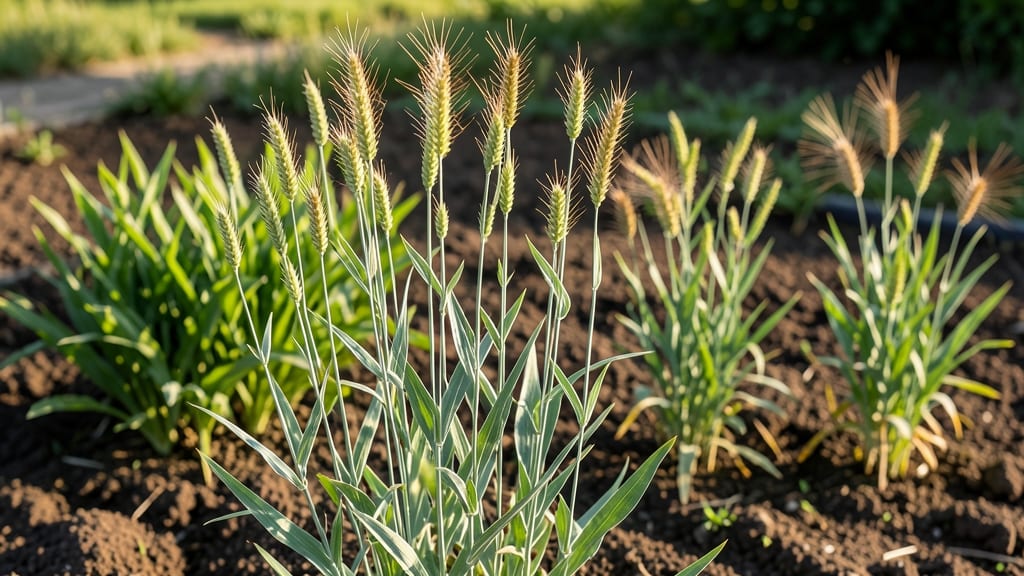
If you're planning your garden this season, knowing how tall oats grow could be the difference between a cramped, crowded plot and one that thrives with space to spare. These versatile 🌾 plants can range from compact 18-inch varieties to towering 5-foot stalks, depending on the type and growing conditions.
For home gardeners in USDA Zone 6a, spring-planted oats typically mature between 2 to 4 feet, making them a great fit for small spaces or larger fields alike.
Whether you're growing them for grain, forage, or even as a cover crop, understanding their height helps with spacing and yield expectations.
Dwarf varieties stay closer to the ground, ideal for tight garden beds, while standard types reach their full height by late summer. This variation means you can tailor your planting plan to your space and goals—whether that's maximizing grain production or using them as a living mulch.
Ready to plan your oat patch? I’ll break down the height differences by variety and share tips to keep your plants at your desired size—no guesswork required.


Oat plant height ranges by variety: what to expect in your garden
When planning your oat garden, knowing the mature height of your chosen variety is essential for spacing and yield. Oats typically grow between 18 inches and 6 feet, depending on the type.
For home gardeners, this range means you can choose between compact varieties perfect for small plots or taller types ideal for forage or grain production.
Most common oat varieties fall into three height categories: dwarf (18–36 inches), standard (36–54 inches), and tall forage types (up to 72+ inches). The variety you select will determine not only your garden layout but also your harvest potential and ease of maintenance.
Avena sativa, the most widely grown species, usually reaches 3–5 feet at maturity. This makes it a versatile choice for both grain and forage production. In contrast, Avena byzantina (red oats) often grows slightly shorter, around 2–4 feet, making it a better fit for smaller gardens.
Winter oats tend to be taller than spring varieties, sometimes exceeding 5 feet, while spring oats often stay between 2–4 feet. Understanding these differences helps you match your growing goals with the right variety for your space and climate.
The growth habit of oats also plays a role in garden planning. Erect-growing varieties like Avena sativa stand straight, making them ideal for tight rows in grain production. In contrast, spreading or semi-erect types may require more space between plants to prevent overcrowding and disease.
For small gardens, dwarf varieties are your best bet, as they mature at 18–36 inches and can even thrive in containers. These compact oats are perfect for urban gardeners or those with limited space, offering the same grain benefits without the height.
If you're growing oats for forage or livestock feed, taller varieties (up to 6+ feet) provide more biomass per plant. These types need ample space to avoid shading out neighboring plants and to ensure proper airflow for disease prevention.
Climate also influences oat height. Cooler regions may produce slightly taller oats due to longer growing seasons, while warmer climates can stunt growth if water isn't consistently available. Always check your seed packet for region-specific recommendations to optimize height and yield.
Whether you're aiming for a compact grain harvest or a tall forage crop, choosing the right oat variety based on height ensures your garden layout works for both your space and your goals. Start with the variety that matches your available area, and
Oat plant height ranges by variety: what to expect in your garden
When planning your oat garden, knowing the mature height of different varieties helps you design rows, allocate space, and choose the right type for your goals. Oats typically range from 18 inches to over 6 feet, depending on the variety and growing conditions.
For home gardens, most varieties fall between 3 and 5 feet, making them ideal for small plots or larger fields.
Spring oats, like Avena sativa, are the most common for grain production and usually reach 36 to 54 inches at maturity. These varieties are upright and sturdy, perfect for grain harvests or even as ornamental grasses in landscapes.
Winter oats, such as Avena byzantina, tend to be slightly shorter but more cold-hardy, often growing 24 to 48 inches tall.
| Variety | Mature Height | Growth Habit | Best For |
|---|---|---|---|
| Avena sativa (Spring Oats) | 36–54 inches | Erect, upright | Grain, forage |
| Avena byzantina (Winter Oats) | 24–48 inches | Semi-upright | Forage, cold climates |
| Dwarf varieties (e.g., 'Oatman') | 18–36 inches | Compact, bushy | Small gardens, containers |
| Forage oats (e.g., 'Potomac') | 48–72 inches | Tall, spreading | Livestock feed, large fields |
If you're growing oats for grain production, taller varieties like Avena sativa are ideal because they produce more kernels per stalk. However, if you're limited on space or prefer a neat, low-maintenance look, dwarf varieties are perfect for containers or small garden beds.
Forage oats, which can reach 6 feet or taller, are best suited for larger properties or livestock grazing areas.
Another factor to consider is the growth habit. Erect varieties, like standard spring oats, grow straight up and are easier to harvest by hand. Spreading or semi-upright types, such as forage oats, may require more space between rows to prevent overcrowding and disease.
Always check the spacing recommendations on your seed packet to ensure healthy growth.
For ornamental purposes, shorter varieties like 'Oatman' add texture to garden borders or mixed perennial beds without overwhelming smaller spaces. Their golden plumes also make them a great choice for dried flower arrangements. Just be aware that taller varieties can cast significant shade, which may affect nearby plants.
Regardless of the variety, oats are annual plants, meaning they complete their life cycle in one growing season. This makes them easy to rotate in your garden plan, reducing the risk of soil depletion or pest buildup. Plan to replant each year for continuous harvests or forage.