
How To
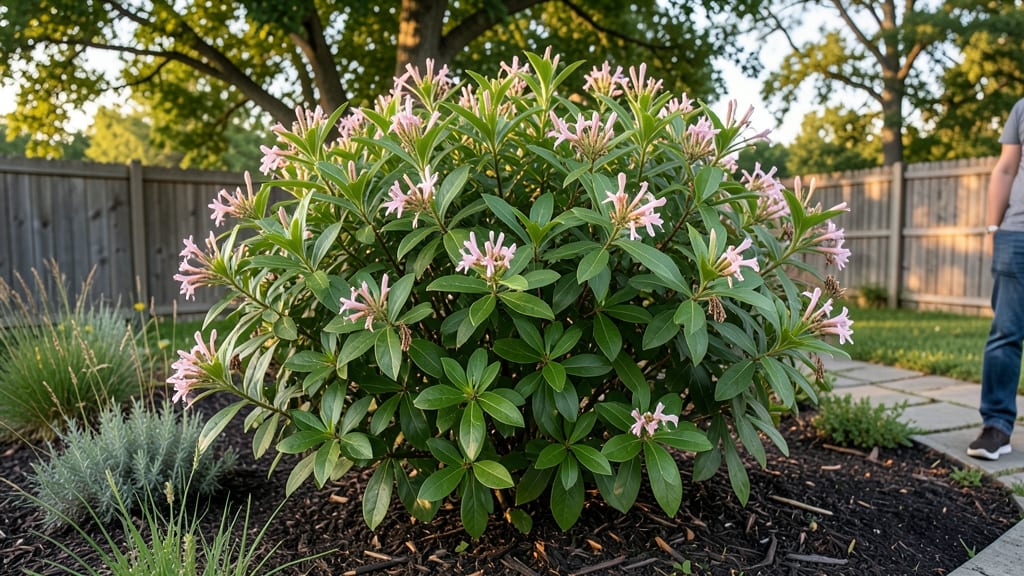
Abelia height by variety: exact mature sizes for common types
Understanding Abelia's mature height is crucial for planning your garden layout, especially since varieties range from compact dwarf types to towering shrubs. Most gardeners choose Abelia for its season-long blooms and low-maintenance care, but size plays a key role in placement.
Let’s break down the exact heights you can expect from popular cultivars, so you can pick the perfect fit for your space.
If you’re working with a small garden or container planting, you’ll want to focus on varieties that stay under 3 feet tall. For larger landscapes or privacy screens, taller varieties reaching 6 feet or more will give you the height you need.
Knowing these specifics helps avoid overcrowding and ensures your Abelia thrives in its designated spot.
Here’s a quick look at the most common Abelia varieties and their mature sizes—including both height and spread—to help you visualize their place in your garden.
| Variety | Mature Height | Spread | Growth Habit | Best For |
|---|---|---|---|---|
| Abelia × grandiflora | 3–6 ft | 3–5 ft | Upright, arching | Hedges, borders, mixed shrub beds |
| Abelia × 'Kaleidoscope' | 2–3 ft | 2–3 ft | Compact, rounded | Containers, small gardens, foundation plantings |
| Abelia × 'Francis Mason' | 4–5 ft | 4–5 ft | Bushy, upright | Privacy screens, woodland gardens |
| Abelia × 'Sunset' | 3–4 ft | 3–4 ft | Semi-dwarf, mounding | Patio plantings, mixed borders |
| Abelia chinensis | 6–8 ft | 5–7 ft | Tall, spreading | Large landscapes, woodland edges |
For example, if you’re planting near a patio or walkway, the Abelia 'Kaleidoscope' (2–3 ft) is ideal because it stays low enough to avoid obstructing views while still adding color.
On the other hand, if you’re creating a privacy hedge, the Abelia chinensis (6–8 ft) will give you the height you need to block unwanted views.
When selecting a variety, also consider its spread width, as some Abelia types can grow nearly as wide as they are tall. This ensures you leave enough space for roots to spread without crowding other plants.
For instance, the Abelia × grandiflora can spread up to 5 feet wide, so plant it at least 3–4 feet away from other shrubs or structures.
Another key factor is the growth rate. Most Abelia varieties grow about 12–24 inches per year under ideal conditions. This means a 3-foot-tall variety like 'Kaleidoscope' might take 2–3 years to reach its mature height, while taller types like Abelia chinensis could take 4–5 years to fully establish.
Plan accordingly if you’re impatient for color!
If you’re unsure which variety to choose, start with the Abelia × grandiflora, as it’s the most versatile and widely available. It adapts well to different soil types and climates, making it a low-risk choice for beginners.
For a bold statement, consider the Abelia chinensis, but be prepared for its larger footprint.
Pro tip: Always check the USDA hardiness zone for your region before purchasing. Most Abelia varieties thrive in zones 6–9, but some, like Abelia chinensis, prefer zones 7–9. This ensures your plant won’t struggle with cold snaps or heatwaves.
Now that you know the exact heights and growth habits
Factors that influence Abelia growth height (and how to control it)
Understanding what makes your Abelia reach its full height potential—or stay compact—starts with sunlight exposure. Most varieties thrive in full sun (6+ hours daily), which encourages vigorous growth up to their mature height range.
However, partial shade (3-6 hours) can reduce height by 1-2 feet, making it ideal for dwarf varieties in hot climates.
Your pruning habits play the biggest role in controlling height. Regular light pruning after flowering keeps Abelia neat and manageable, while hard pruning in late winter can reset growth patterns. For example, cutting back 1/3 of the plant promotes bushier, shorter growth—perfect for tight spaces.
Soil quality directly impacts height potential. Well-draining, slightly acidic soil (pH 5.5-6.5) supports optimal growth, while poor drainage or heavy clay can stunt your Abelia by up to 30%. Amending soil with compost or sand ensures nutrients reach the roots efficiently, fueling healthy upward growth.
🌱 Key Factors Affecting Abelia Height
- Sunlight: Full sun = max height; partial shade = 1-2 ft shorter
- Pruning: Light pruning maintains shape; hard pruning resets growth
- Soil: Well-draining soil = optimal growth; poor soil = stunted growth
- Watering: Overwatering = leggy growth; drought = compact growth
- Climate: Cold zones = slower growth; warm zones = faster height gain
Climate zones also dictate growth rates. In USDA Zones 6-9, Abelia grows 1-2 feet per year until mature, while colder zones (like Zone 5) may see slower growth due to shorter growing seasons.
For example, 'Kaleidoscope' Abelia in Zone 7 reaches 5-6 feet in 3 years, but the same plant in Zone 5 might take 5 years to reach maturity.
Watering practices can surprisingly affect height. Overwatering leads to leggy, weak growth as the plant stretches toward light, while moderate watering (deep soaks weekly) encourages balanced, sturdy growth. In drought-prone areas, Abelia naturally grows more compact as a survival mechanism—making it perfect for low-water gardens.
To encourage full height potential in your Abelia, combine these tips: plant in well-draining soil, provide 6+ hours of sun, and prune lightly after flowering. For shorter growth, reduce sunlight to 4-6 hours, prune hard in winter, and ensure consistent moisture without soggy soil.
With the right care, you can tailor your Abelia's height to fit any garden space!