
How To
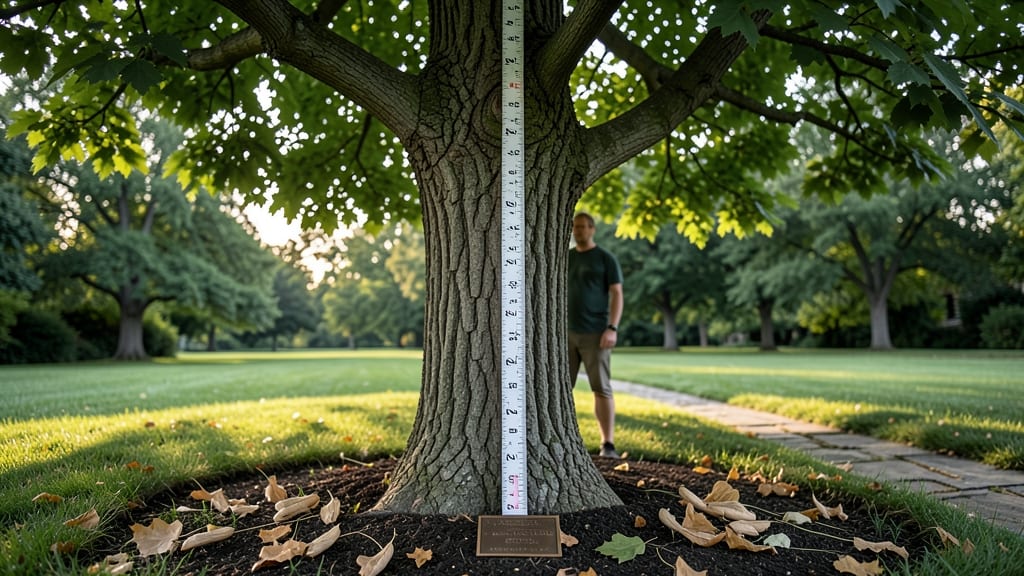
Mature height ranges of popular elm tree species compared
Elm trees are known for their majestic stature, but their mature heights vary dramatically by species. The American Elm (Ulmus americana) typically reaches 70–80 feet at maturity, making it one of the tallest native varieties.
Meanwhile, the Slippery Elm (Ulmus rubra) grows slightly shorter, averaging 60–75 feet, with a broader canopy. These differences matter when planning your landscape—especially if you're working with limited space or urban constraints.
For smaller yards, the Siberian Elm (Ulmus pumila) is a popular choice, though it can still grow 40–60 feet tall. Its faster growth rate and tolerance for harsh climates make it a favorite for urban planting.
The Dutch Elm, once widely planted, now carries disease risks but still tops out around 60–70 feet. Understanding these ranges helps you avoid overcrowding or future pruning nightmares.
Here’s a quick comparison of how these species stack up in height and growth habits:
If you’re planting near power lines or sidewalks, the Siberian Elm is often the safest bet—its aggressive growth means you’ll get shade faster, but its invasive roots require careful planning. The American Elm, while stunning, needs ample space to thrive and may require regular pruning to manage its size.
Always check local regulations before planting near utilities, as some cities restrict tall tree species.
Another key factor is soil quality. Elm trees prefer well-drained, slightly acidic soil (pH 6.0–7.0). Poor soil can stunt growth, leading to heights below the species’ typical range.
For example, a Slippery Elm in compacted clay might only reach 40 feet instead of its full potential. Amending soil with compost or sand can help maximize height.
Climate also plays a role. Elm trees thrive in USDA Zones 2–9, but their growth rates slow in colder zones. In Zone 5, a Siberian Elm might grow 1 foot per year, while in Zone 8**, it could double that.
Always factor in your local climate when estimating future tree height.
For urban gardeners, dwarf varieties like Ulmus 'Frontier' (a hybrid) offer a compromise, reaching 25–35 feet at maturity. These are ideal for small yards but still provide ample shade. Just be prepared for slower growth—these varieties prioritize compact size over rapid height gains.
When in doubt, consult a local arborist before planting. They can assess your soil, sunlight, and space to predict how tall your elm tree will grow over time. This small step can save you from costly mistakes down the road.
🌳
Mature height ranges of popular elm tree species compared
Elm trees vary dramatically in height depending on the species, with some reaching skyscraper-like proportions while others stay more manageable. The American Elm and Slippery Elm often top out at 60–80 feet, while the Siberian Elm typically remains shorter at 40–60 feet.
Dutch Elm Disease-resistant varieties like Ulmus 'Frontier' usually stay in the 50–70 feet range. Understanding these differences helps you choose the right variety for your yard’s space and sunlight conditions.
For urban landscapes with limited space, dwarf varieties like Ulmus 'New Horizon' can reach 30–40 feet at maturity. These compact elms provide shade without overwhelming smaller properties. However, even dwarf varieties need proper spacing—planting too close to structures can lead to future pruning challenges.
Always check the mature canopy spread alongside height when selecting a variety.
| Species | Mature Height (ft) | Growth Rate (ft/year) | Best For |
|---|---|---|---|
| American Elm | 60–80 | 2–3 | Large yards, parks |
| Slippery Elm | 50–70 | 1.5–2.5 | Urban streets, shade |
| Siberian Elm | 40–60 | 3–4 | Quick shade, small spaces |
| Dutch Elm (Disease-Resistant) | 50–70 | 2–3 | Suburban homes |
If you’re planting near power lines or sidewalks, opt for slower-growing varieties like the Ulmus 'Pioneer', which tops out at 40–50 feet. These trees still provide ample shade but require less aggressive pruning over time.
Always verify local regulations—some cities restrict tree heights near utilities to prevent hazards. For fast shade solutions, the Siberian Elm is a top pick due to its rapid growth rate of 3–4 feet per year.
Soil quality dramatically impacts height potential. Elm trees thrive in well-draining soil with full sun exposure, but poor soil or compacted clay can stunt growth by up to 30%.
Amend heavy soil with compost to encourage healthier, taller growth. Regular deep watering during the first 3 years also supports strong root development, which directly influences mature height.
Proper pruning techniques can also shape an elm’s final height. Removing suckers and water sprouts early directs energy toward upward growth, while crown thinning prevents overcrowding. Avoid topping elms—this practice weakens the tree and reduces its natural height potential. Instead, focus on structural pruning to guide growth naturally.
Before planting, sketch your yard’s layout and mark where the tree’s mature canopy will extend. A general rule is to plant 15–20 feet away from structures for medium-sized elms and 25+ feet for towering varieties.
This spacing prevents future conflicts with roofs, foundations, and sidewalks. When in doubt, consult a local arborist for species-specific advice tailored to your climate.