
Trees
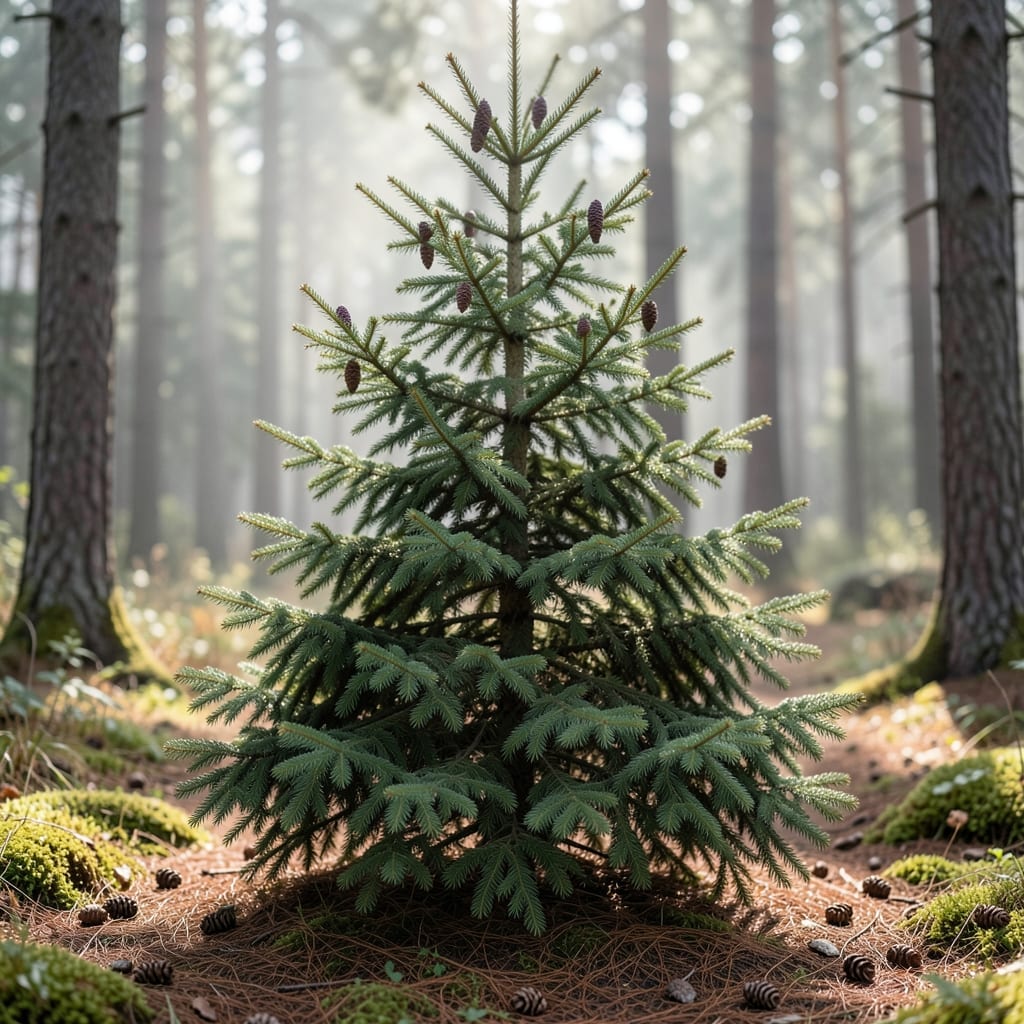
Wondering how tall do balsam fir trees grow before they become that iconic holiday centerpiece? These evergreen giants can reach heights of 40 to 60 feet—taller than most two-story homes—making them a stunning but space-demanding addition to your landscape.
If you're considering planting a 🌲 balsam fir, understanding its mature size is key. In ideal conditions, these trees grow about 1 to 2 feet per year during their early years, but their growth slows as they age. Whether you're in the northeast U.S. or USDA Zone 6a, knowing these details helps you plan for their long-term impact on your yard.
But what if you love their look but don’t have the space? We’ll cover how to manage their height through pruning and spacing—so you can enjoy their beauty without sacrificing your garden’s layout. Let’s break down everything you need to know to make this tree work for your outdoor space.
From growth rates to care tips, you’ll discover how to nurture a healthy balsam fir while keeping it in check. Ready to add a little forest magic to your property? Let’s get started.


Balsam fir tree height: average mature sizes by region
The balsam fir (Abies balsamea) is a stately evergreen that thrives in cool climates, but its mature height varies dramatically depending on where you plant it. In its native northeast U.S. and Canada, these trees often reach 40 to 60 feet tall, with some specimens exceeding 70 feet in ideal conditions. Their height is influenced by climate, soil quality, and available space.
In USDA Zone 6a, where balsam firs are most commonly grown, they typically mature between 40 and 50 feet when given ample room. However, in mountainous regions with cooler temperatures and higher elevations, they may grow slightly taller due to slower, more gradual development. Understanding these regional differences helps you plan for the right spacing and care.
For those in smaller gardens or urban landscapes, the standard balsam fir may be too large. While there are no true dwarf varieties, younger trees can be pruned to maintain a more manageable height—though this will affect their natural form over time. Let’s explore how height varies by region in the table below.
🌲 Key Takeaway: Balsam firs grow fastest in their first 10 to 15 years, with growth rates slowing significantly as they mature. In open, sunny conditions, they can add 1 to 2 feet per year during peak growth phases.
| Region | Mature Height Range | Growth Rate (Early Years) | Key Environmental Factors |
|---|---|---|---|
| Northeast U.S. (Zone 5-6) | 40–50 ft | 1–2 ft/year (first 10 years) | Rich, acidic soil; partial shade |
| Canada (Quebec, Ontario) | 50–60 ft | 1.5–2.5 ft/year (cooler climate) | Humid, well-drained soil; full sun |
| Mountainous Regions (Appalachians, Rockies) | 60–70 ft | 1–1.5 ft/year (slower growth) | Cooler temps; thin, rocky soil |
| Urban Gardens (Container-Grown) | 10–15 ft (pruned) | 0.5–1 ft/year (limited root space) | Large pots; regular pruning |
If you’re planting a balsam fir in the northeast U.S., expect it to reach its full height in 20 to 30 years, depending on growing conditions. In Canada, where winters are harsher, growth may be slightly slower, but the trees often develop denser foliage. For those in mountainous areas, the slower growth rate can actually be an advantage—it allows for better control over the tree’s height over time.
One critical factor affecting height is soil quality. Balsam firs thrive in acidic, well-draining soil with a pH between 4.5 and 6.0. Poor soil can stunt growth, while rich, organic soil promotes faster and taller development. If your soil is alkaline, consider amending it with peat moss or pine needles to create the ideal growing conditions.
Sunlight also plays a role in height. While balsam firs tolerate partial shade, they grow tallest in full sun to partial shade conditions. In hotter climates, providing afternoon shade can prevent stress and ensure steady growth. Always plant your tree where it has at least 4 to 6 hours of sunlight daily for optimal height development.
For those with limited space, consider planting a balsam fir in a large container. While it won’t reach its full height, regular pruning and root pruning can help manage its size. Just be prepared for slower growth—container-grown balsam firs typically reach only 10 to 15 feet tall unless given ample space to spread their roots.
Whether you’re planning for a backyard forest or a small patio tree, understanding these regional height differences will help you choose the right location and care routine. Next, we’ll dive into how fast balsam firs grow and what you can do to influence their height over time.
Balsam fir tree height: average mature sizes by region
The balsam fir (Abies balsamea) is a towering evergreen that thrives in cool climates, particularly in the northeast U.S. and Canada. In its native habitats, these trees typically reach heights of 40 to 60 feet at maturity, with some specimens in ideal conditions surpassing 60 feet. Their height varies significantly based on climate, soil quality, and sunlight exposure, so let’s explore how these factors influence their growth.
In USDA Zone 6a, where balsam firs are commonly grown, they often mature between 40 and 50 feet over 20 to 30 years. However, in mountainous regions like the Appalachians or Rockies, they may grow slightly taller due to cooler temperatures and higher humidity. Understanding these regional differences helps you set realistic expectations for your own landscape.
🌲
| Region | Mature Height | Growth Rate (Early Years) | Key Factors |
|---|---|---|---|
| Northeast U.S. (Zone 6a) | 40-50 ft | 1-2 ft/year | Well-draining, acidic soil; partial shade |
| Canada (Quebec, Ontario) | 50-60 ft | 1.5-2.5 ft/year | Cooler climates; higher humidity |
| Mountainous Regions (Appalachians, Rockies) | 50-65 ft | 1-2 ft/year (slower at high elevations) | Thin, rocky soil; high elevation |
| Urban Landscapes (Container-Grown) | 10-20 ft (pruned) | 0.5-1 ft/year | Regular pruning; limited root space |
If you’re planting a balsam fir in an urban setting, its height can be significantly reduced with proper pruning and container growth. In the wild or on large properties, these trees will naturally reach their full 40- to 60-foot stature, making them a stunning but space-demanding choice. Always consider your property’s layout before planting, especially if you’re near power lines or structures.
For those in warmer climates outside its native range, growth may be slower or stunted. Balsam firs prefer cool temperatures and high humidity, so regions with hot summers or dry conditions may see reduced height potential. If you’re in Zone 7 or higher, opt for partial shade and consistent moisture to support healthier growth.
🌳
One common misconception is that balsam firs grow uniformly in all conditions. In reality, their height is heavily influenced by soil acidity, sunlight, and water availability. For example, a tree planted in full sun with well-draining, acidic soil will grow faster and taller than one in poor soil or drought conditions. Always test your soil’s pH before planting—aim for a range of 4.5 to 5.5 for optimal growth.