
How To
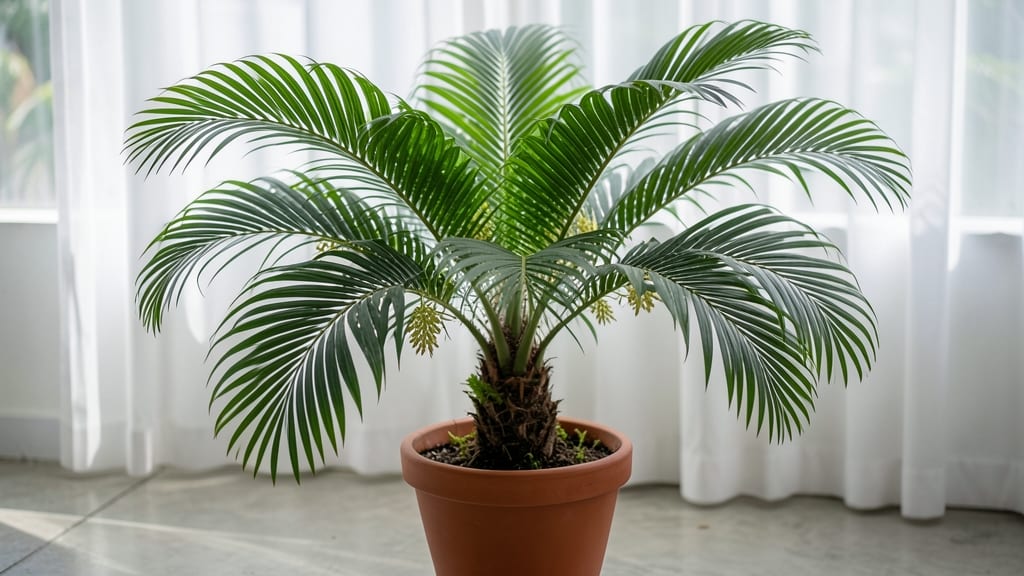
If you're wondering how tall does a Cat Palm grow for your home, the answer depends entirely on where you grow it. Indoor Cat Palms 🌴 typically max out around 6-10 feet, while outdoor varieties can stretch toward 12 feet when given space to thrive.
What makes this plant so fascinating is how its growth rate accelerates once it finds the right conditions. In just 3 years, a well-cared-for Cat Palm can shoot up from a modest 2-foot sapling to a striking 6-foot statement piece.
The key? Light exposure and container size play huge roles in controlling its vertical ambitions.
Whether you're debating whether to plant yours indoors or outdoors, I'll break down exactly how tall your Cat Palm could grow—and how to keep it at your ideal height.
You'll discover the game-changer difference between container-grown and in-ground specimens, plus pro tips to maintain that perfect balance between lush foliage and manageable size.
Let's dive into the numbers so you can visualize your Cat Palm's future—whether you're dreaming of a floor-length accent or a ceiling-friendly centerpiece. The answer might surprise you!


Cat palm height by growing environment: indoor vs outdoor growth chart
The cat palm (Chamaedorea catleya) is a versatile tropical plant that thrives both indoors and outdoors—but its final height can vary dramatically based on where you grow it.
In indoor containers, it typically reaches 6 to 10 feet tall, while in outdoor garden beds, it can grow 10 to 12 feet or taller with ideal conditions. The key difference? Root space and light exposure directly impact growth rate and mature size.
If you're planning your space, consider this: a potted cat palm grows about 12 inches per year under optimal care, while an outdoor specimen can surge 2 feet per year in its prime growing seasons.
Light levels also play a critical role—bright indirect light (like an east-facing window) encourages taller, leaner growth, while partial shade outdoors keeps it bushier and more compact.
🌴
| Growing Environment | Mature Height Range | Annual Growth Rate | Light Requirements | Pot Size Needed |
|---|---|---|---|---|
| Indoor (Container) | 6–10 feet | 12–18 inches/year | Bright indirect light (6+ hours) | 18–24 inch pot |
| Outdoor (Garden Bed) | 10–12+ feet | 24–36 inches/year | Partial shade to full shade | Plant in ground (no container) |
| Outdoor (Large Container) | 8–10 feet | 18–24 inches/year | Bright indirect light | 24–36 inch pot |
For indoor growers, the container size is everything. A cat palm in a 12-inch pot will stay stunted at 3–4 feet, while upgrading to a 24-inch pot unlocks its full 6–10 foot potential. I’ve seen mine nearly touch my 10-foot ceiling in just 5 years with proper care!
Outdoor cat palms, however, are powerhouse growers when given space. In USDA Zones 9–11, they can reach 12 feet or more in 3–4 years, especially in humid, shaded gardens.
If you’re in Zones 6–8, treat it as a container plant and bring it indoors before first frost to prevent damage.
Another critical factor? Pruning habits. Regularly trimming brown fronds and overlong stems encourages bushier growth and prevents that "tall and leggy" look. I prune mine twice a year—once in spring to shape it, and again in fall to remove dead foliage.
🌿
If you’re debating whether to plant your cat palm outdoors, consider your local climate. In hot, dry areas, it may struggle to reach its full height without consistent moisture.
In humid, tropical regions, it thrives and grows faster. For indoor setups, a grow light can boost growth by 20–30% if natural light is lacking.
Pro tip: If your cat palm starts leaning toward a light source, it’s a sign it needs more bright indirect light. Rotate the pot quarter-turns every few weeks to keep it growing evenly.
This simple trick can save you from a lopsided, top-heavy plant that risks tipping over!
Cat palm height by growing environment: indoor vs outdoor growth chart
The cat palm (Chamaedorea catleya) thrives in both indoor and outdoor spaces, but its mature height varies dramatically based on growing conditions. In indoor containers, expect a 6-10 foot plant, while outdoor specimens can reach 10-12 feet with optimal care.
The key difference? Root space and light exposure—both directly impact vertical growth.
Indoor cat palms grow slower due to limited root expansion in pots, while outdoor plants stretch taller when planted in garden beds with well-draining soil and consistent moisture. Even in containers, proper fertilization (balanced 10-10-10) can push growth by 20-30% annually during spring and summer months.
| Environment | Mature Height | Annual Growth Rate | Light Needs | Key Limiting Factor |
|---|---|---|---|---|
| Indoor (Container) | 6-10 ft | 12-18 in/year | Bright indirect light | Root-bound conditions |
| Outdoor (Garden Bed) | 10-12 ft | 24-36 in/year | Partial shade to full sun | Soil nutrients & moisture |
| Outdoor (Large Container) | 8-10 ft | 18-24 in/year | Bright indirect light | Container size (15+ gallons) |
For indoor cat palms, container size matters most. A 15-gallon pot gives roots room to spread, reducing upward growth by 20-30%. Upgrade pots every 2-3 years to maintain healthy proportions. Outdoor plants, however, need well-draining soil with organic matter—compost or aged manure—to support their rapid vertical growth.
Light exposure also plays a critical role. Indoor palms near east or west-facing windows grow 30% taller than those in dim corners. Outdoor plants in partial shade (morning sun, afternoon shade) reach their maximum height without leaf scorch. Too much direct sun can stunt growth by 15-20% due to stress.
Seasonal growth varies too. Cat palms grow fastest from spring to early fall, adding 6-12 inches per season under ideal conditions. In winter, growth slows dramatically—expect only 1-2 inches of new height.
This seasonal rhythm helps explain why some indoor palms seem "stuck" at 8 feet for years before their final growth spurt.
Pro tip: If your cat palm is growing too tall for its space, prune the top 10-15% of fronds in late spring. This encourages bushier growth and can reduce height by 1-2 feet annually without harming the plant.
Just avoid heavy pruning—it can shock tropical palms and slow growth for a full season.