
How To
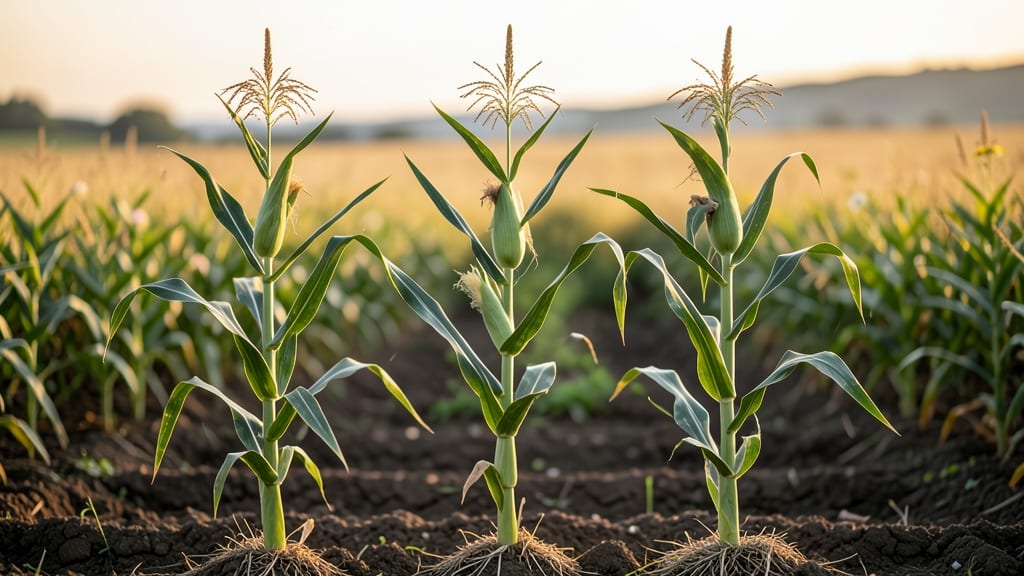
If you're planning your garden this spring, understanding how tall does corn plant grow could be the difference between a dream harvest and a space crunch. 🌽 Corn isn't just one size fits all—some varieties stay compact enough for containers, while others shoot up like skyscrapers, reaching 12 feet or more.
That dramatic height range means your garden layout, support needs, and even pollination success hinge on which type you choose.
Picture this: You plant a row of Little and Lovely corn, expecting a manageable 5-foot plant, only to realize your neighbor's Mammoth Melting variety towers over your fence. The truth is, corn height varies wildly by genetics, sunlight exposure, and soil quality—factors you can control.
Whether you're working with a small urban plot or a sprawling countryside garden, knowing these differences helps you avoid common pitfalls like overcrowding or flopping stalks.
What if I told you that the right corn variety could actually improve your harvest? Tall corn needs space and sturdy supports, but dwarf varieties pack flavor without the height.
We'll break down the best options for your goals—whether that's maximizing yield, saving space, or just enjoying fresh ears straight from the stalk. By the end, you'll know exactly which corn to plant and how to give it the room it needs to thrive.
Ready to transform your garden into a corn-filled paradise? Let's dive into the world of corn heights, from the shortest sweet corn varieties to the giants that could outgrow your expectations.
You'll discover how to plan your space, support your plants, and ensure every stalk reaches its full potential—without turning your backyard into a jungle of tangled stalks.


Corn plant height by variety: from dwarf to giant heights explained
Corn isn’t one-size-fits-all when it comes to height—some varieties stay short enough for containers, while others shoot up like skyscrapers in your garden.
The average corn plant reaches 6 to 12 feet tall, but dwarf varieties can stay as short as 3 to 5 feet, and giants like 'Mammoth Melting' can tower over 12 feet.
Choosing the right height matters for everything from garden spacing to harvest ease, so let’s break it down by variety.
For small-space gardens, dwarf corn varieties like 'Little and Lovely' or 'Tom Thumb' are perfect, maxing out around 4 to 5 feet. These are ideal for containers or raised beds and even work well in urban gardens where space is limited.
Meanwhile, standard sweet corn varieties like 'Silver Queen' or 'Peaches and Cream' typically grow 6 to 8 feet tall, striking a balance between manageable height and productive yields.
If you’re dreaming of a dramatic backyard cornfield, giant varieties like 'Mammoth Melting' or 'Country Gentleman' will impress with heights of 10 to 12+ feet. These are better suited for large gardens or farms where they can spread out and support their own weight.
Even so, their tall stalks require extra care to prevent lodging (falling over), especially in windy conditions.
Here’s a quick visual guide to help you compare the most popular corn varieties by height, so you can pick the perfect fit for your garden:
| Variety | Height Range | Best For | Notes |
|---|---|---|---|
| Little and Lovely | 3–5 ft | Containers, small gardens | Dwarf, early maturing |
| Tom Thumb | 4–5 ft | Urban gardens, patios | Sweet, great for roasting |
| Silver Queen | 6–8 ft | Home gardens, standard planting | Classic sweet corn |
| Peaches and Cream | 7–9 ft | Family gardens, fresh eating | Extra-sweet, disease-resistant |
| Mammoth Melting | 10–12+ ft | Large gardens, farms | Giant, needs staking |
| Country Gentleman | 9–11 ft | Homesteads, canning | Heirloom, long storage |
The genetics of your corn variety determine its height, but environmental factors like sunlight exposure, soil nutrients, and water availability can also influence how tall your plants grow.
For example, dwarf varieties may stretch taller if they don’t get enough nutrients, while tall varieties might struggle to stand upright without proper support in windy areas.
If you’re growing corn in containers or small spaces, stick to dwarf or semi-dwarf varieties like 'Little and Lovely' or 'Tom Thumb'. These stay compact enough to thrive in 5-gallon pots or raised beds, making them perfect for balconies or patios.
Just ensure your container is at least 12 inches deep to accommodate their root systems.
For large gardens or farms, taller varieties like 'Mammoth Melting' or 'Country Gentleman' can create a stunning visual impact, but they require more space between plants (at least 12–18 inches apart) to prevent overcrowding.
These giants also need sturdy trellises or cages to support their weight, especially as they near maturity.
Pro tip: If you’re unsure about height, check the seed packet—most reputable brands list the mature height range right on the packaging. This small detail can save you from planting a 12-foot monster in a 4-foot-wide garden!
🌽
How corn height affects garden space, pollination, and harvest success
Corn’s mature height isn’t just about aesthetics—it directly impacts your garden’s layout, pollination, and even your harvest success. A 12-foot variety like 'Mammoth Melting' needs space, wind protection, and careful planning, while a 5-foot dwarf like 'Little and Lovely' thrives in tight spots.
Let’s break down how height influences every stage of growing corn.
First, garden space becomes a critical factor. Tall corn varieties (8+ feet) require 18–24 inches between plants and 3–4 feet between rows to prevent shading and competition. In contrast, dwarf varieties can be spaced just 12 inches apart, making them ideal for small gardens or containers.
If you’re short on space, consider companion planting with beans or lettuce to maximize yield.
🌽
Tall Corn (8–12+ ft)
- ✅ Higher yield potential (more ears per stalk)
- ✅ Better wind resistance (stronger stalks)
- ✅ Ideal for pollination (tassels reach higher)
Challenges
- ❌ Needs more space (3–4 ft row spacing)
- ❌ Risk of lodging (wind/rain can bend stalks)
- ❌ Harder to harvest (requires ladder or stooping)
Dwarf Corn (3–5 ft)
- ✅ Space-efficient (12–18 in spacing)
- ✅ Easier to harvest (no ladder needed)
- ✅ Good for containers (5-gallon pots work)
Challenges
- ❌ Lower yield (fewer ears per stalk)
- ❌ Pollination issues (tassels may not reach silks)
- ❌ Less wind-resistant (can flop in storms)
Pollination is another height-dependent challenge. Corn relies on wind to transfer pollen from tassels (top of the plant) to silks (ears). In tall varieties, this process works smoothly, but dwarf corn may struggle if tassels don’t align with silks.
To improve pollination in shorter varieties, plant them in blocks (not rows) and avoid isolated plants. For tall corn, ensure windbreaks or sturdy stalks to prevent lodging mid-pollination.
Harvesting also shifts with height. Tall corn forces you to bend or climb, risking back strain or missed ears. Dwarf varieties let you harvest at waist level, reducing fatigue. If you grow tall corn, use a sturdy stool or plant near a fence for support.
For container-grown dwarf corn, ensure pots are stable and heavy—tipping is a common issue when ears mature.
Finally, consider your garden’s microclimate. Tall corn in windy areas may need staking or caging, while dwarf varieties in shady spots might not reach their full potential. Match your corn’s height to your space, sunlight, and even your physical ability to care for it long-term.
🌱