
How To
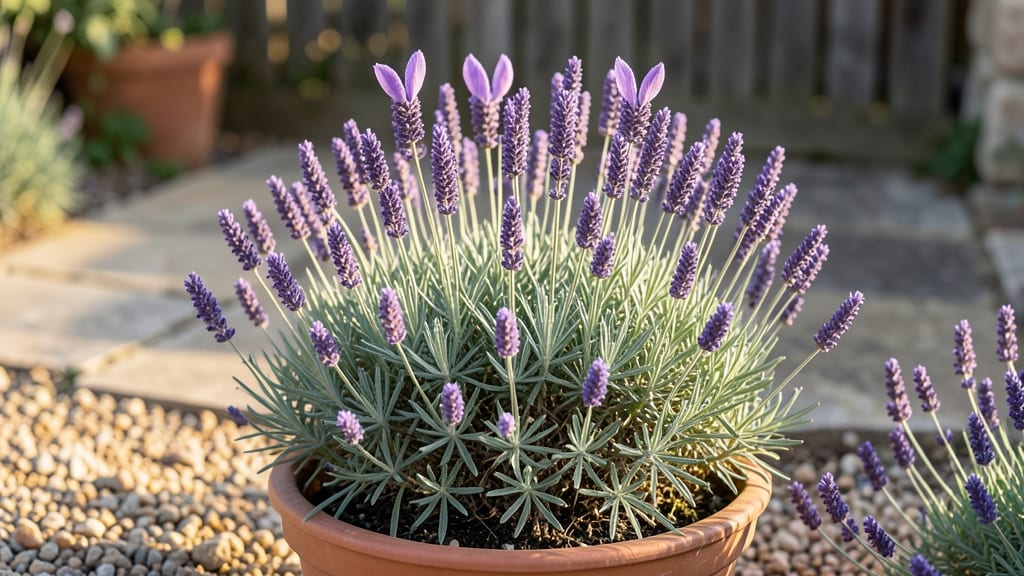
If you're dreaming of a fragrant, purple-hued garden hedge or a low-maintenance border, understanding how tall French lavender grows is your first step to success.
This versatile shrub 🌸 typically reaches 2 to 3 feet at maturity, but with the right care, you can shape it into a compact 1-foot accent plant or let it grow taller for a striking backdrop.
What sets French lavender apart is its adaptability—whether you're in USDA Zone 6a or beyond, its height depends on variety, pruning habits, and growing conditions.
Plant it in well-draining soil and full sun, and you'll unlock its full potential, whether you're aiming for a neat, manicured look or a wild, cottage-garden vibe.
In this guide, I’ll break down the height differences between popular varieties, share pruning secrets to control its growth, and reveal the 5 key factors that influence how tall (or short) your lavender becomes.
Whether you're a first-time gardener or a seasoned pro, these tips will help you grow the perfect French lavender for your space.
Ready to transform your garden with this fragrant, low-maintenance plant? Let’s dive into the details so you can plant with confidence and enjoy blooms that last from spring through summer.


French lavender height by variety: compact vs. tall options
French lavender (Lavandula dentata) is a versatile shrub that can transform your garden with its silvery foliage and fragrant blooms. But how tall does it grow? The answer depends entirely on the variety you choose.
Some stay compact at just 1 foot, while others reach 3 feet or more at maturity. Knowing these differences helps you plan borders, hedges, or container displays with precision.
Most gardeners assume all French lavender varieties grow similarly, but that’s a common misconception. For example, the 'Provence' variety stays low and bushy, while 'Grosso' can tower over other types.
Let’s break down the height ranges and ideal uses for each variety to help you pick the perfect fit for your space.
🌱
| Variety | Mature Height | First-Year Growth | Best For |
|---|---|---|---|
| 'Provence' | 1–2 ft | 6–12 in | Borders, containers, rock gardens |
| 'Grosso' | 2–3 ft | 1–2 ft | Hedges, backdrop plants, pollinator gardens |
| 'Hidcote' | 1.5–2.5 ft | 8–16 in | Mixed borders, cottage gardens, containers |
| 'Lavender Lady' | 1–1.5 ft | 4–8 in | Edging, window boxes, fairy gardens |
| 'Dwarf Blue' (Lavandula stoechas) | 1–1.5 ft | 6–10 in | Dwarf hedges, alpine gardens |
🌿 Pro Tip: Spacing matters! Plant 'Grosso' at 3–4 feet apart for full coverage, while 'Provence' thrives in 1–2 foot spacing.
If you’re designing a low border, varieties like 'Provence' or 'Lavender Lady' are ideal—they stay under 2 feet and create a neat, tidy look. For a dramatic backdrop, 'Grosso' or 'Hidcote' will add height and texture, reaching 2.5–3 feet when mature.
First-year growth is often half the mature height, so don’t expect a 3-foot lavender to stay that tall immediately. Patience is key—most varieties take 2–3 years to reach their full potential. For faster results, opt for container-grown plants, which are already established and closer to their mature size.
Another factor to consider is pruning. Over-pruning can stunt growth, while strategic trims encourage bushiness. For example, hard pruning in early spring can reduce the height of a 'Grosso' by 1–2 feet if you want to keep it more compact.
We’ll dive deeper into pruning techniques in the next section to help you shape your lavender to your exact needs.
🌳
French lavender also adapts well to containers, where height can be controlled more easily. In pots, varieties like 'Provence' rarely exceed 18 inches, making them perfect for patios or balconies.
Just ensure your container has drainage holes and use a well-draining potting mix to prevent root rot, which can slow growth.
For those with limited space, consider mixing varieties. Plant a tall 'Grosso' behind a short 'Provence' to create layers and depth. This not only maximizes your garden’s vertical space but also adds visual interest with varying textures and heights.
✂️
How pruning affects French lavender height: when & how to trim
Pruning isn’t just about shaping your French lavender—it’s the secret to controlling its height and bushiness. Unlike English lavender, which tolerates harder cuts, French lavender responds best to gentle, strategic pruning. Skip this step, and you’ll end up with leggy stems instead of a compact, fragrant shrub.
Timing is everything. Prune at the wrong time of year, and you risk stunting growth or inviting pests. The best windows are early spring (March-April) or right after flowering (July-August). Avoid cutting back in fall or winter, as this stresses the plant before dormancy.
🌿 Step-by-Step Pruning Guide for French Lavender
- Step 1: Wait for new growth – Prune after you see fresh shoots in spring (around April).
- Step 2: Remove dead wood – Snip off any brown or woody stems at the base with clean pruning shears.
- Step 3: Shape lightly – Trim 1/3 of the current year’s growth to encourage bushiness. Avoid cutting into old wood.
- Step 4: Deadhead spent blooms – After flowering, cut back 1-2 inches above the foliage to prevent seed heads.
- Step 5: Space plants properly – If overcrowded, thin out 10-20% of stems to improve airflow and reduce height.
French lavender hates heavy pruning. Over-trimming can lead to woody, bare stems and even kill the plant. For varieties like 'Grosso', which can reach 3 feet tall, limit cuts to 1/3 of the plant’s height per year. Dwarf varieties like 'Hidcote' (1-2 feet) need even lighter touches.
One common mistake? Pruning in fall or winter. This removes the current year’s growth just as the plant prepares for dormancy, leaving it vulnerable to cold damage. Instead, focus on spring cleanup and light post-bloom trims to maintain height without sacrificing next year’s flowers.
For container-grown French lavender, prune more frequently (every 4-6 weeks) to control height and encourage compact growth. Use sterilized shears to prevent disease spread, and always cut at a 45-degree angle just above a leaf node for faster regrowth.
With the right pruning routine, you can keep your French lavender at your ideal height, whether you prefer a low border (1-2 feet) or a tall hedge (2-3 feet). Just remember: less is more—this lavender thrives on gentle guidance, not harsh cuts.