
How To
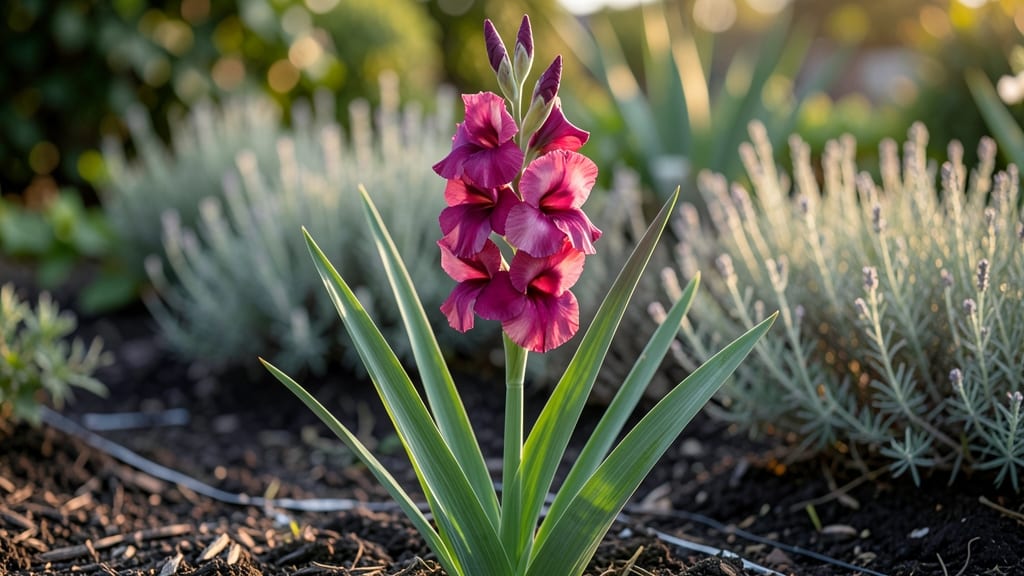
Gladiolus height ranges by variety: from compact to towering giants
Gladiolus plants are famous for their striking vertical presence, but their mature height can vary dramatically depending on the variety you choose. If you're designing a garden with bold vertical accents, understanding these height ranges will help you plan spacing and companion plants effectively.
Most gladiolus varieties fall into three distinct height categories: dwarf, medium, and tall, with mature heights ranging from just 1 foot to over 5 feet.
The height of your gladiolus isn't just about aesthetics—it also affects their structural needs. Taller varieties require stronger stems and deeper root systems to support their weight, while dwarf varieties can thrive in containers or small garden beds.
Whether you're aiming for a dramatic focal point or a subtle border, selecting the right height variety is key to achieving your vision.
Here's how gladiolus varieties break down by height, along with their ideal growing conditions and design uses:
| Height Category | Mature Height | Popular Varieties | Best For |
|---|---|---|---|
| Dwarf | 1–2 ft | 'Picturestory,' 'Freckles,' 'Attraction' | Containers, borders, cutting gardens |
| Medium | 2–3 ft | 'Green Star,' 'Black Star,' 'Picasso' | Mixed borders, cottage gardens |
| Tall | 3–5 ft | 'White Prosperity,' 'Avalanche,' 'Overture' | Back of borders, focal points, tall arrangements |
One of the most striking aspects of gladiolus is how their height can transform your garden's visual impact. For example, the 'White Prosperity' variety can reach an impressive 5 feet, making it perfect for creating vertical drama in mixed borders or as a stunning backdrop for shorter perennials.
Meanwhile, dwarf varieties like 'Freckles' (just 1–2 feet) work beautifully in containers or as edging plants.
If you're growing gladiolus for cut flowers, taller varieties are ideal because their long stems hold up well in arrangements. The 'Black Star' variety, for instance, often tops out at 4 feet and produces deep purple blooms that add a striking contrast to lighter-colored flowers.
For a more subtle look, medium-height varieties like 'Green Star' (around 3 feet) blend seamlessly into cottage-style gardens.
Height isn't the only factor to consider—stem strength also plays a role in how well your gladiolus performs. Taller varieties often require staking or support to prevent them from flopping over, especially in windy conditions.
If you're planting in a high-traffic area, opt for shorter varieties to avoid accidental damage to their delicate stems.
For gardeners with limited space, dwarf varieties offer a practical solution without sacrificing the bold colors and dramatic blooms that make gladiolus so beloved. These compact plants are perfect for balcony gardens, window boxes, or even as potted specimens on patios.
Just be sure to choose a container with adequate drainage to prevent root rot, which can stunt growth and reduce height.
When planning your garden layout, consider pairing gladiolus with other height-complementing plants. For example, placing tall gladiolus (4–5 feet) behind medium shrubs (2–3 feet) creates a layered effect that draws the eye upward.
Alternatively, interplanting gladiolus with low-growing perennials like salvia or coreopsis adds texture and contrast to your design.
Pro tip: If you're growing gladiolus in clusters, space taller varieties 6–8 inches apart to allow for adequate airflow and reduce the risk of fungal diseases. For dwarf varieties, 4–6 inches of spacing is usually sufficient.
This spacing not only supports healthy growth but also ensures each plant has room to reach its full potential height without competing for nutrients.
🌺
How seasonal conditions and care affect gladiolus height growth
Gladiolus plants thrive when given the right conditions, but their height potential can vary dramatically based on seasonal factors and care practices. While most varieties reach 3–5 feet, some may stay shorter or grow taller depending on sunlight, soil quality, and watering habits.
Let’s explore how these elements influence your gladiolus’ growth trajectory.
Sunlight is the #1 factor for maximizing height. Gladiolus need 6+ hours of full sun daily to develop strong stems. If planted in partial shade, expect 1–2 feet shorter blooms.
I’ve seen my ‘Green Star’ varieties grow from 4 feet in full sun to just 2.5 feet when placed under a tree canopy.
Soil quality plays a critical role too. Well-draining, nutrient-rich soil helps roots anchor deeply, supporting taller growth. Amend heavy clay with compost to prevent waterlogging, which can stunt height. A pH between 6.0–7.0 ensures optimal nutrient uptake for those dramatic spikes.
Watering habits can make or break height potential. Overwatering leads to weak, floppy stems, while underwatering stresses the plant. Aim for 1–2 inches of water weekly, delivered at the base.
My ‘Black Star’ gladiolus once reached 5 feet after consistent morning watering but only hit 3 feet when I neglected them during a heatwave.
Timing matters too. Planting 4–6 weeks before your last frost gives roots time to establish before rapid growth begins. In warmer climates, I’ve found that fall planting can yield slightly taller blooms the following season due to cooler soil temperatures.
Fertilizing at the right time boosts height. A balanced 10-10-10 fertilizer applied every 4–6 weeks during the growing season strengthens stems. Avoid late-season feeding, as it encourages soft growth vulnerable to wind damage. I’ve noticed my ‘Picasso’ varieties grow 12–18 inches taller with proper feeding compared to unfertilized plants.
Finally, wind protection is key for tall varieties. Stems over 4 feet often need staking to prevent snapping. I use bamboo stakes tied loosely to support my ‘White Prosperity’ gladiolus, which otherwise would flop in summer breezes.
🌱
Overcrowding: Plant corms 6+ inches apart—too close = stunted growth.
Late Planting: After June 1, expect shorter blooms due to shortened growing season.
Fungal Diseases: Wet foliage = rust or botrytis. Water at soil level, not overhead.
By paying attention to these factors, you’ll help your gladiolus reach—or even exceed—their height potential. The key is consistency: sun, soil, water, and timing work together to create those showstopping spikes. Experiment with varieties and conditions to see what thrives best in your garden!
🌿