
How To
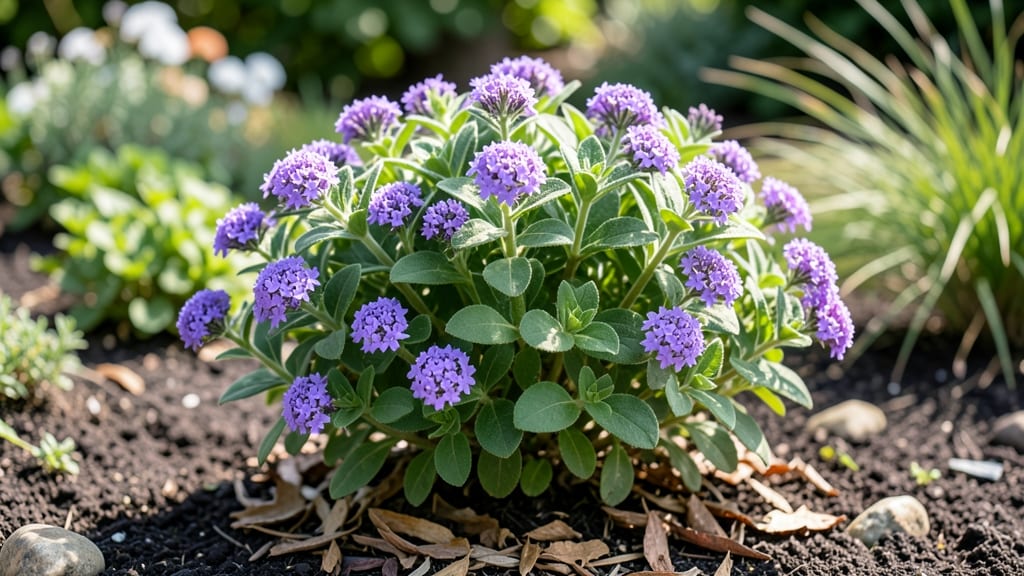
If you're wondering how tall does heliotrope grow, you're not alone—this fragrant 🌸 beauty can surprise gardeners with its two distinct growth habits. Whether you're planning a cozy container garden or a sprawling flower bed, knowing the height range is key to making the most of its charm.
Most heliotrope varieties reach heights between 1 to 3 feet, but the real magic lies in their growth forms. Some stay compact and bushy, perfect for small pots, while others trail gracefully, ideal for hanging baskets or cascading over edges.
The difference often comes down to the cultivar you choose.
For those with limited space, dwarf varieties stay under 1.5 feet, making them perfect for windowsills or patio planters. On the other hand, standard types can stretch toward 3 feet, creating a lush, fragrant backdrop for your garden.
The good news? You can easily shape them with simple pruning techniques.
Ready to discover the best varieties for your space and learn how to keep your heliotrope thriving? Let’s dive into the details so you can enjoy its sweet scent and beautiful blooms all season long.


Heliotrope height variations: bush vs trailing growth explained
Heliotrope (Heliotropium) is famous for its sweet, vanilla-like fragrance and ability to attract pollinators, but its growth habits can vary dramatically depending on the variety. Most gardeners assume all heliotropes grow similarly, but in reality, you’ll find two distinct forms: compact bush types and trailing varieties.
Understanding these differences helps you choose the perfect plant for your space—whether that’s a window box or a hanging basket.
The most common heliotrope, Heliotropium arborescens, typically grows as a bushy shrub reaching 2 to 3 feet tall with a similar spread. This makes it ideal for garden beds where you want a neat, rounded shape.
On the other hand, trailing varieties like Heliotropium peruvianum can stretch 3 to 5 feet long, cascading beautifully over edges or trellises. The key difference lies in their stem structure and how they allocate energy—bush types focus on height and density, while trailers prioritize length and flexibility.
| Growth Form | Mature Height | Spread | Best For |
|---|---|---|---|
| Bushy Varieties | 2–3 ft | 2–3 ft | Garden beds, containers, borders |
| Trailing Varieties | 1–2 ft (upright) | 3–5 ft (trailing) | Hanging baskets, trellises, ground cover |
| Dwarf Varieties | 1–1.5 ft | 1–2 ft | Window boxes, small pots, urban gardens |
Even within these categories, height can vary based on growing conditions. For example, a bushy heliotrope in full sun with rich soil may reach the upper end of the 2–3 ft range, while one grown in partial shade or poor soil might stay shorter.
Similarly, trailing varieties will spread more aggressively in warm climates (USDA zones 9–11) where they can grow year-round, whereas in cooler zones, they may act more like annuals and trail less dramatically.
Another factor to consider is the growth rate. Heliotropes are fast growers, often reaching half their mature height within the first 6–8 weeks of planting. This rapid growth makes them perfect for quick color impact in summer gardens.
However, if you’re growing them in containers, their height and spread may be slightly stunted compared to in-ground plants due to limited root space. Always choose a pot that’s at least 12–14 inches wide to accommodate their mature size.
If you’re planning a themed garden, such as a fragrant pathway or a pollinator-friendly border, opt for bushy varieties spaced 18–24 inches apart. For a romantic, cascading effect, trailing heliotropes in hanging baskets will create a stunning visual display.
Just be prepared for their vines to stretch well beyond the basket’s edge—some gardeners even train them to climb lightweight trellises for a vertical garden effect.
One common misconception is that all heliotropes are perennial. While some varieties, like Heliotropium arborescens, can overwinter in mild climates (zones 9–11), most are treated as tender perennials or annuals in cooler regions.
This means their height and spread may reset each year, but with proper care, they’ll quickly reclaim their space and fragrance.
For small-space gardeners, dwarf varieties like 'Marine' or 'Lavender' are excellent choices, staying under 1.5 feet tall while still producing abundant flowers. These are perfect for balcony gardens or even as indoor plants near a sunny window.
Just remember that even dwarf varieties will benefit from occasional pruning to encourage bushier growth and prevent legginess.
When selecting heliotrope for your garden, always check the cultivar description—some nurseries label plants as "compact" or "trailing," but these terms aren’t always standardized. If you’re unsure, ask for a sample plant or look for photos of mature specimens.
The last thing you want is a 3-foot trail spilling over your patio furniture when you expected a tidy 1-foot bush!
Finally, don’t forget that pruning and training can influence height. Regular pinching of new growth in early spring encourages a fuller, more compact shape, while allowing stems to grow longer promotes trailing.
We’ll dive deeper into these techniques in the next section, but for now, keep these height variations in mind as you plan your fragrant garden oasis. 🌸
Heliotrope height variations: bush vs trailing growth explained
Heliotrope's height can vary dramatically depending on whether you're growing a compact bush variety or a trailing type. Most gardeners assume all heliotropes reach the same height, but the truth is far more nuanced.
The standard bush varieties typically grow 2-3 feet tall with a similar spread, making them perfect for garden beds and mixed borders.
On the other hand, trailing varieties like Heliotropium peruvianum can reach 2-3 feet tall but spread 3-4 feet wide, creating a stunning cascading effect. This makes them ideal for hanging baskets, window boxes, or as ground cover. The key difference lies in their growth habits rather than just height.
| Growth Type | Mature Height | Spread Width | Best For |
|---|---|---|---|
| Compact Bush | 2-3 ft | 2-3 ft | Garden beds, borders |
| Trailing | 2-3 ft | 3-4 ft | Hanging baskets, ground cover |
| Dwarf Varieties | 1-1.5 ft | 1-2 ft | Containers, small spaces |
The dwarf varieties of heliotrope, such as 'Lavender Queen' or 'Marine,' stay between 1-1.5 feet tall and are perfect for container gardening or small balconies. These varieties maintain their compact size without needing pruning, making them a favorite for urban gardeners with limited space.
When planning your garden layout, consider the spread width just as much as the height. Trailing varieties, for example, can spill over edges beautifully but may need support if grown in garden beds. Always check the specific variety's description, as some modern hybrids combine bushy growth with trailing tendencies.
For first-year growth, expect heliotropes to reach about half their mature height. This means a standard variety might only hit 1-1.5 feet in its first season before growing taller in subsequent years. Patience pays off—your heliotrope will reward you with lush, fragrant blooms once it matures.
If you're using heliotrope in container gardens, choose the right variety based on your pot size. A trailing type in a 12-inch hanging basket will thrive, while a bush variety needs at least 14-16 inches of depth to avoid root binding. Always use well-draining soil to prevent overwatering issues.