
How To
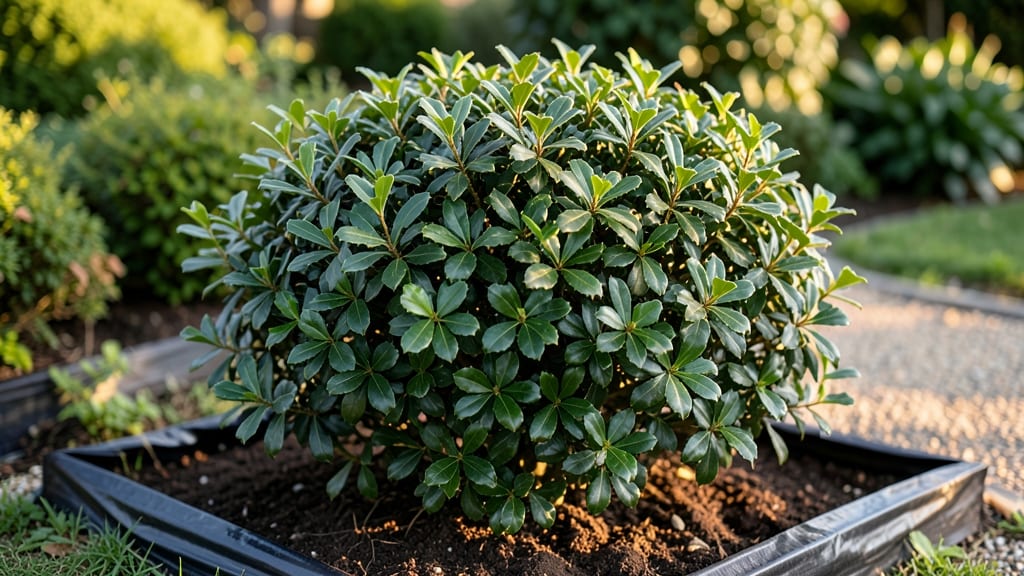
Wondering how tall does Japanese Holly grow in your garden? This glossy-leaved shrub 🌿 can stretch up to 25 feet in the wild, but with the right care, you can keep it compact—even in containers. The key lies in understanding its natural growth habits and when to prune.
Japanese Holly thrives in USDA Zone 6a, where it grows best in spring and fall. Without pruning, it can become a towering shrub, but with strategic trimming, you can shape it into a manageable hedge or even a topiary masterpiece.
Whether you're planting in the ground or a pot, controlling its height is all about timing and technique.
In this guide, I’ll break down everything you need to know—from its natural growth patterns to step-by-step pruning tips. You’ll learn how sunlight, soil, and variety affect its size, plus how to avoid common mistakes that make it grow too tall.
Ready to keep your Japanese Holly at your ideal height?
Let’s dive into the secrets of managing this versatile shrub so it stays lush, healthy, and perfectly sized for your space. Whether you want a 3-foot container plant or a 6-foot hedge, the right approach makes all the difference.


Japanese holly height guide: natural growth vs. pruned size in different conditions
Japanese holly (Ilex crenata) is one of those plants that can look stunning whether it’s left to grow wild or meticulously pruned into a compact shape.
In its natural state, this shrub typically reaches 15 to 25 feet tall, with some varieties like 'Green Lustre' even exceeding 20 feet in ideal conditions.
However, when grown in containers or heavily pruned, you can keep it as short as 3 to 6 feet, making it perfect for patios, balconies, or small gardens.
The key to controlling its height lies in understanding its growth rate—Japanese holly grows about 6 to 12 inches per year under optimal conditions, but this slows dramatically in cooler climates or with proper pruning.
Varieties like 'Soft Touch' or 'Helleri' are naturally more compact, while standard types like 'Convexa' can grow taller if unchecked.
Your location and climate play a huge role in how tall your Japanese holly will grow. In USDA Zones 6-8, where winters are mild, this shrub thrives and can reach its full height potential.
But in colder zones (like Zone 5), growth slows, and the plant may stay shorter unless you provide winter protection. Even in warmer zones, soil quality matters—well-draining, slightly acidic soil (pH 5.0-6.5) encourages healthier, more controlled growth.
Here’s how different growing conditions affect height:
| Growing Condition | Mature Height Range | Growth Rate | Pruning Needs |
|---|---|---|---|
| Full sun exposure (6+ hours/day) | 18–25 ft | 10–12 in/year | Frequent pruning (2x/year) |
| Partial shade (4–6 hours/day) | 10–15 ft | 6–8 in/year | Moderate pruning (1x/year) |
| Container-grown (15+ gal pot) | 3–6 ft | 4–6 in/year | Heavy pruning (3x/year) |
| Cold climate (Zone 5 or lower) | 8–12 ft | 3–5 in/year | Light pruning (1x/year) |
| Dwarf variety (e.g., 'Green Lustre') | 5–8 ft | 4–6 in/year | Minimal pruning (optional) |
If you’re growing Japanese holly in a container, the pot size directly impacts height. A 15-gallon container will keep it under 5 feet, while a 30-gallon pot might allow it to reach 8 feet if not pruned.
Always choose a pot with drainage holes to prevent root rot, which can stunt growth or cause legginess.
For landscape use, Japanese holly is often trained as a hedge or topiary, where its height is naturally controlled by regular shearing.
In these cases, you’ll want to prune twice a year: once in early spring to shape the plant and again in late summer to encourage dense foliage before winter. Avoid heavy pruning in fall, as this can stress the plant before dormancy.
One common misconception is that Japanese holly grows too slowly to need pruning. In reality, neglecting pruning leads to a leggy, sparse shrub with bare stems at the base.
By contrast, consistent pruning promotes bushier growth and keeps the plant at your desired height—whether that’s a tall hedge or a compact potted plant.
For container growers, the secret to keeping Japanese holly under 4 feet is pinching back new growth regularly. Start pinching when the plant is 6–12 inches tall, and repeat every 4–6 weeks during the growing season. This encourages branching and prevents the plant from becoming top-heavy or woody.
Finally, remember that Japanese holly’s height isn’t just about genetics—it’s also about light exposure. While it tolerates partial shade, giving it morning sun (especially in cooler climates) will keep it healthier and more compact.
Too much shade can lead to etiolated growth, where the plant stretches unnaturally tall in search of light.
With the right balance of pruning, sunlight, and container size, you can enjoy Japanese holly’s lush foliage without it dominating your garden space.
Whether you’re aiming for a privacy screen or a patio centerpiece, this versatile shrub adapts beautifully to your needs—just give it the care it deserves! 🌿
Japanese holly height guide: natural growth vs. pruned size in different conditions
Japanese holly (Ilex crenata) is a fast-growing shrub that can reach 15–25 feet tall in ideal landscape conditions, but its size is highly adaptable. The key to controlling its height lies in understanding how sunlight, soil, and pruning influence its growth rate.
In containers, you can keep it between 3–6 feet with regular maintenance, making it perfect for patios or small gardens.
Most varieties grow 6–12 inches per year, but dwarf cultivars like 'Green Lustre' or 'Soft Touch' stay under 5 feet naturally. If you’re planting in full sun, expect faster growth, while partial shade slows it down slightly. Well-draining, acidic soil (pH 5.0–6.5) also promotes healthier, more controlled growth.
| Condition | Mature Height (Landscape) | Container Height | Growth Rate |
|---|---|---|---|
| Full Sun | 18–25 ft | 4–6 ft | 10–12 in/year |
| Partial Shade | 10–15 ft | 3–5 ft | 6–8 in/year |
| Dwarf Variety | 5–8 ft | 2–4 ft | 4–6 in/year |
Pruning is the #1 tool for controlling height. If you want a compact, bushy look, prune 2–3 times per year: once in early spring to shape new growth, again after flowering (if applicable), and a light trim in late summer to encourage denser foliage.
Avoid heavy pruning in winter, as it stresses the plant.
For container-grown Japanese holly, choose a pot at least 12–18 inches deep to accommodate root growth. Repot every 2–3 years to prevent root-bound conditions, which can stunt growth or make the plant leggy. Always use a well-draining mix with peat moss or perlite to keep roots healthy.
If you’re growing Japanese holly as a hedge, space plants 3–5 feet apart to allow for natural filling. Over time, they’ll create a dense, glossy barrier that’s perfect for privacy. Just remember: less pruning = taller growth, while frequent trimming = shorter, bushier plants.
🪴