
How To
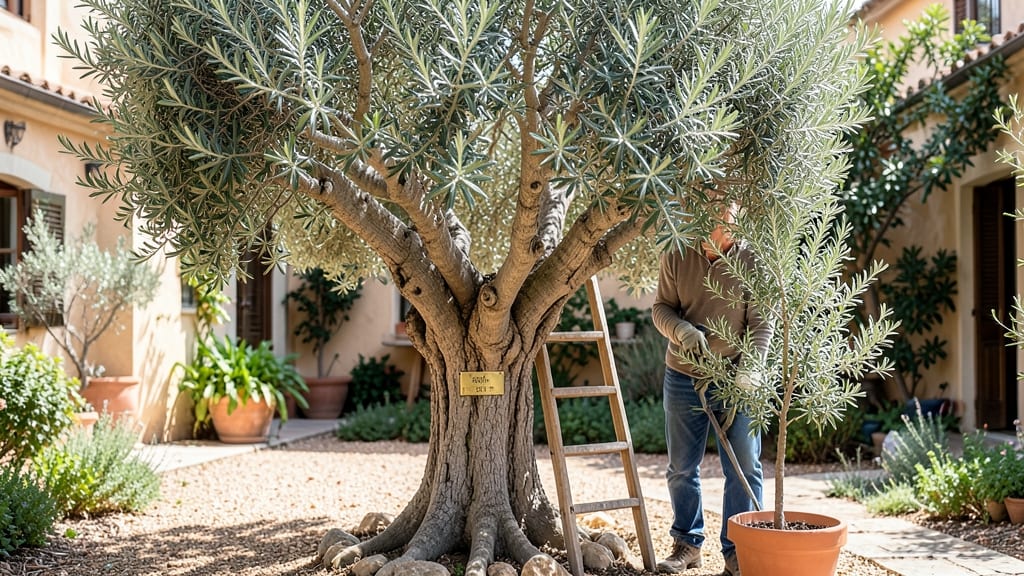
Olive tree height by variety: dwarf vs. standard growth charts
Olive trees (Olea europaea) are stunning Mediterranean evergreens, but their mature height can vary dramatically depending on the variety. Standard olive trees can reach 30-50 feet tall, while dwarf varieties stay between 4-12 feet.
Understanding these differences helps you choose the perfect tree for your garden, patio, or even a large container. Below, I’ll break down the height ranges, growth rates, and ideal conditions for each category.
For gardeners with limited space, dwarf olive trees are the best choice. These varieties are often grafted onto semi-dwarf rootstock to control their height. Even in ideal conditions, they rarely exceed 12 feet, making them perfect for urban gardens or large pots.
Meanwhile, standard varieties grow naturally tall and require ample space, often needing 15+ feet of clearance from structures or other plants.
The growth rate of olive trees is another critical factor. In their first year, most olive trees grow 1-2 feet tall. By year three, they can reach 6-10 feet, and by year five, standard varieties may already be 15-20 feet tall.
Dwarf varieties grow more slowly, typically adding 6-12 inches per year after their first few years.
Olive Tree Height Comparison
| Variety Type | Mature Height Range | Growth Rate (First 5 Years) | Ideal Growing Conditions |
|---|---|---|---|
| Dwarf Varieties | 4–12 ft | 6–12 in/year | Containers, small gardens, full sun |
| Semi-Dwarf Varieties | 12–20 ft | 12–24 in/year | Medium gardens, well-draining soil |
| Standard Varieties | 20–50+ ft | 24–36 in/year | Large properties, rural areas, full sun |
Popular dwarf olive tree varieties like 'Little Ollie' or 'Arbequina' (when grafted) stay under 8 feet, while semi-dwarf varieties such as 'Frantoio' can reach 15-20 feet. Standard varieties like 'Manzanillo' or 'Mission' are the tallest, often exceeding 30 feet in height.
If you’re growing olives for harvesting, standard varieties yield the most fruit, but dwarf trees produce smaller crops suitable for home use.
Your climate zone also plays a role in olive tree height. In USDA Zones 8-10, olive trees thrive year-round and grow faster due to warmer temperatures. In cooler zones (like Zone 7), growth slows, and trees may stay shorter unless protected from frost.
Always check your local hardiness zone before planting to avoid stunted growth.
Pruning is another way to control height. Regular pruning in late winter or early spring can keep dwarf varieties compact and encourage bushier growth. For standard trees, structural pruning every few years helps manage height and shape. Just avoid over-pruning, as this can stress the tree and reduce fruit production.
If you’re growing olive trees in containers, dwarf varieties are the only practical option. Even semi-dwarf trees may outgrow most pots within a few years. Use a large container (20+ gallons) with drainage holes and repot every 2-3 years to accommodate root growth.
Container-grown trees may grow slightly slower than those planted in the ground.
For landscape planning, always account for mature height. A standard olive tree needs at least 15 feet of clearance from buildings, power lines, and other trees. Dwarf varieties can be planted closer together (6-8 feet apart) or even in groups for a hedge-like effect.
Always research the specific variety’s growth habits before planting.
Ready to choose the perfect olive tree for your space? Check out my Olive Tree Care Guide for tips on planting, pruning, and maintaining your tree’s ideal height. With the right variety and care, you’ll enjoy a beautiful, productive olive tree for decades! 🫒🌳
Olive tree height by variety: dwarf vs. standard growth charts
Olive trees (Olea europaea) come in stunning diversity when it comes to height, with some varieties staying compact enough for containers while others grow into towering giants. The mature height of an olive tree depends entirely on its variety, growing conditions, and pruning habits.
Dwarf varieties typically reach 4-12 feet, making them perfect for urban gardens, while standard varieties can soar to 30-50 feet or more in ideal conditions.
Understanding these differences helps you choose the right olive tree for your space. For example, a dwarf Arbequina might stay under 10 feet, while a standard Mission olive tree could easily exceed 30 feet.
The growth rate also varies—some varieties grow 1-2 feet per year, while others can add 3-5 feet annually when young. Let’s break down the key varieties and their expected heights.
| Variety | Mature Height | Growth Rate (Annual) | Best For |
|---|---|---|---|
| Dwarf Arbequina | 4-8 ft | 1-2 ft | Containers, patios, small gardens |
| Semi-Dwarf Frantoio | 12-20 ft | 2-3 ft | Medium yards, espalier training |
| Standard Mission | 30-50+ ft | 3-5 ft (young), 1-2 ft (mature) | Large properties, rural landscapes |
| Dwarf Leccino | 6-10 ft | 1-2 ft | Urban gardens, balconies |
| Standard Manzanillo | 25-40 ft | 2-4 ft (young), 1 ft (mature) | Orchards, large estates |
Pruning plays a huge role in controlling height. Regular pruning can keep even standard varieties manageable, while neglect can lead to unruly growth.
For example, if you prune a Mission olive tree aggressively every year, you might cap its height at 15-20 feet, making it suitable for a large backyard. Without pruning, it could easily reach 50 feet or taller, especially in warm climates like USDA Zones 8-10.
Climate also affects height. Olive trees in Mediterranean climates (like California or Spain) grow faster and taller due to ideal sunlight and temperature. In cooler zones (like Zone 7), growth slows, and trees may stay shorter unless protected from frost.
Always check your local hardiness zone when selecting a variety to ensure it thrives in your area.
If you’re growing olive trees in containers, dwarf varieties are your best bet. Even then, you’ll need to prune regularly to prevent root-bound stress. A 5-gallon container might support a 4-foot dwarf, but a 15-gallon pot could accommodate a 6-8 foot tree with proper care.
Always use a pot with drainage holes to prevent root rot, a common issue in container-grown olive trees.
For those with large properties, standard varieties offer the reward of abundant olives and striking height. Just