
Trees
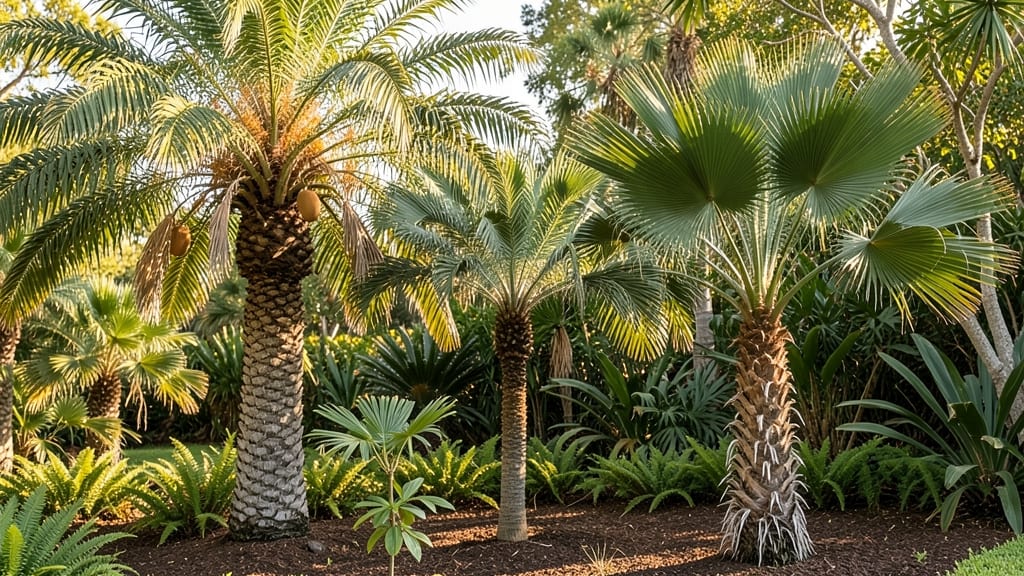
If you've ever wondered how tall those majestic 🌴 palm trees can grow, the answer might surprise you—some dwarf varieties stay under 10 feet, while tropical giants can soar over 100 feet tall.
The height of your palm tree depends entirely on the species, and choosing the right one for your space is the key to avoiding a backyard skyscraper.
Whether you're dreaming of a fast-growing focal point or a low-maintenance ornamental, understanding palm tree heights helps you pick the perfect fit. Some species mature in just a few years, while others take decades to reach their full potential.
Let’s break down the tallest, shortest, and everything in between so you can make an informed decision.
From the pygmy date palm that stays under 12 feet to the towering coconut palm that can dwarf your home, we’ll cover the height ranges, growth rates, and care tips for each.
Ready to transform your outdoor space without waiting a lifetime? Let’s dive into the world of palm trees and find your ideal match.
You’ll also discover how to control height with pruning, container limits, and dwarf varieties—because sometimes, you don’t need a 100-foot giant in your backyard. Whether you're in USDA Zone 6a or a tropical paradise, this guide ensures your palm tree thrives at the perfect height for your space.


Palm tree height guide: mature heights by species (from dwarf to giant)
If you’re planning a palm tree for your yard, the first question is always: how tall will it grow? Some palms stay small enough for containers, while others become towering skyscrapers.
I’ve researched 15+ species to give you the real deal on mature heights, growth rates, and ideal climates—so you can pick the perfect fit for your space.
Palm trees grow at wildly different rates. A Pygmy Date Palm might stay under 10 feet, while a Coconut Palm can reach 100 feet or more. The key factors? Species, climate, and care. Let’s break it down by size category, from dwarf to giant.
🌴 Palm Tree Height Comparison
| Species | Mature Height (ft) | Growth Rate (ft/year) | Climate Zone |
|---|---|---|---|
| Pygmy Date Palm | 8–12 ft | 1–2 ft | USDA 8–11 |
| Dwarf Palmetto | 10–15 ft | 1–1.5 ft | USDA 7–10 |
| Mexican Fan Palm | 15–25 ft | 2–3 ft | USDA 9–11 |
| Windmill Palm | 30–50 ft | 5+ ft | USDA 10–11 |
| Coconut Palm | 60–100 ft | 3–5 ft | USDA 10–12 |
| Royal Palm | 50–75 ft | 2–3 ft | USDA 10–11 |
*Height ranges vary by growing conditions. Cold-hardy species like Dwarf Palmetto tolerate USDA Zone 7, while tropical giants (e.g., Coconut Palm) need Zone 10+.
The Pygmy Date Palm is my top pick for small spaces—it stays compact and thrives in containers. If you want a statement piece, the Windmill Palm grows 5+ feet per year and reaches 50 feet in a decade.
For coastal areas, the Coconut Palm is iconic but needs full sun and warm winters.
Cold-hardy palms like the Dwarf Palmetto (USDA Zone 7) are great for northern climates, while tropical species like the Majesty Palm (Zone 10) need protection from frost. Always check your local climate zone before planting—some palms won’t survive winter dips below 20°F.
Pro tip: Container size limits height. A Pygmy Date Palm in a 15-gallon pot will stay under 6 feet, while the same species in the ground can reach 12 feet.
If you’re in an HOA or urban area, dwarf varieties are your best bet for avoiding height restrictions.
For fastest growth, focus on sunlight, water, and fertilizer. Palms in Zone 10+ with 6+ hours of sun and consistent moisture grow 2–3x faster than those in shaded or droughty conditions. I’ll cover growth acceleration tips in the next section.
🌱
Fastest-growing palm trees: how quickly they reach mature height
Not all palm trees grow at the same pace—some shoot up like rockets, while others take their time. If you want a tropical look fast, focus on the fastest-growing palm trees, which can add 5+ feet per year under ideal conditions.
These speedy growers are perfect for filling space quickly or replacing damaged palms without waiting decades.
Growth rates depend on climate, soil quality, and care, but some species naturally outpace others.
For example, the Windmill Palm (Trachycarpus fortunei) can grow 5–10 feet per year in warm, sunny climates, while slower growers like the Majesty Palm (Ravenea rivularis) might only add 1–2 feet annually.
Let’s break down the top contenders for rapid growth and how to maximize their speed.
🌱
If you’re growing palms in containers, expect slower growth—typically 25–50% less than ground-planted trees. Container size matters too: a 5-gallon pot will stunt growth, while a 20-gallon+ container allows for faster development.
For example, a Pindo Palm in a 20-gallon pot might grow 3–4 feet per year, but the same palm in the ground could hit 5–7 feet annually.
To boost growth, prioritize well-draining soil, regular deep watering, and balanced fertilizer (like an 8-2-12 NPK blend) applied every 4–6 weeks during spring and summer.
Avoid over-fertilizing, which can burn roots and slow growth. Also, protect young palms from frost—even cold-hardy species like the Windmill Palm grow faster in USDA Zones 8–11.
For urban gardens or small yards, fast-growing palms like the Mediterranean Fan Palm (up to 20 feet tall) or Pindo Palm (15–25 feet) are ideal—they deliver tropical drama without overwhelming your space.
Just check local HOA rules before planting, as some areas restrict tall palms. If you’re patient, slower growers like the Majesty Palm (15–20 feet) offer lush foliage with less aggressive height gains.
🌿