
How To
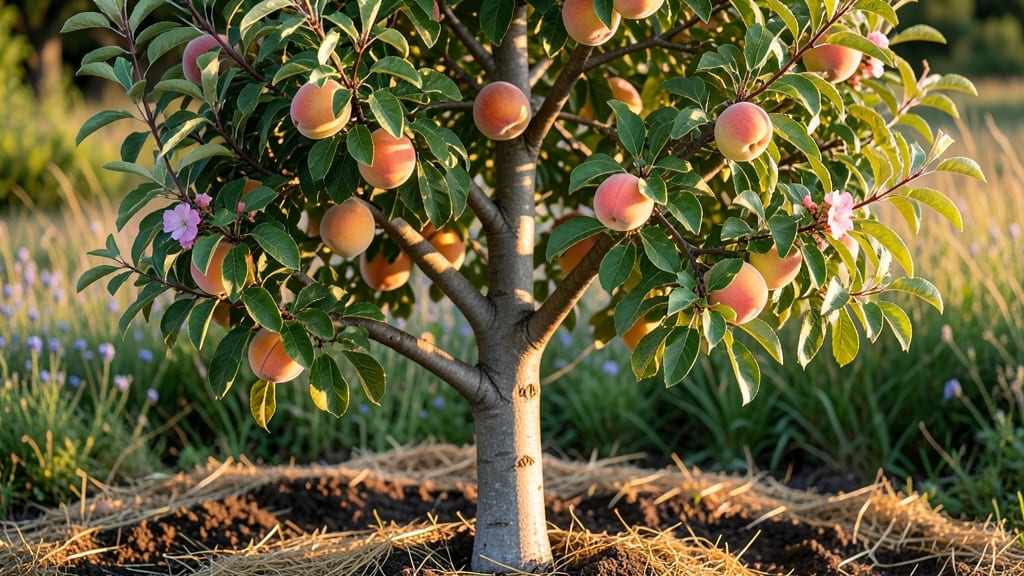
Peach tree height by variety: dwarf to standard sizes explained
Peach trees are stunning additions to any garden, but their mature height varies dramatically depending on the variety. A standard peach tree can reach 20-30 feet tall, while dwarf varieties max out around 8-12 feet. Choosing the right size depends on your space, sunlight access, and maintenance preferences.
Understanding these differences helps you plan for proper spacing, pruning needs, and even fruit yield potential. For example, a semi-dwarf variety like 'Bonanza' grows to 12-18 feet, making it ideal for medium-sized yards, while a standard like 'Redhaven' can tower over your home.
Here’s a quick look at how peach tree heights compare across popular varieties:
| Variety | Type | Mature Height | Growth Rate | Best For |
|---|---|---|---|---|
| Bonanza | Semi-Dwarf | 12-18 ft | Moderate | Medium yards, containers |
| Redhaven | Standard | 20-30 ft | Fast | Large properties |
| Elberta | Standard | 20-25 ft | Moderate | Traditional orchards |
| Dwarf varieties (e.g., 'Cresthaven') | Dwarf | 8-12 ft | Slow | Urban gardens, patios |
| J.H. Hale | Semi-Dwarf | 15-20 ft | Moderate | Balconies, small orchards |
Dwarf varieties like 'Cresthaven' are perfect for small spaces or container gardening, while standard trees like 'Redhaven' dominate larger landscapes. Semi-dwarfs like 'Bonanza' strike a balance, offering manageable size with high fruit production.
Climate also plays a role in height. In warmer USDA zones (7-9), peach trees grow faster and taller, while in cooler zones (5-6), growth may be slower. Always check your variety’s cold hardiness to avoid winter damage.
If you’re unsure which size to choose, consider your pruning commitment. Standard trees require regular pruning to control height, while dwarf varieties need less maintenance but may produce fewer fruits per tree.
For urban gardeners, dwarf varieties are a game-changer. They fit in 5-gallon containers and produce fruit just like their larger counterparts. Just ensure the container is at least 18 inches deep and has drainage holes.
Remember, peach trees grow 2-3 feet per year in ideal conditions. With proper care, a 5-foot sapling can reach maturity in 5-7 years. Plan accordingly to avoid outgrowing your space!
🌱
How tree height affects spacing, pruning, and fruit yield
A peach tree’s mature height isn’t just about aesthetics—it directly impacts fruit production, disease risk, and even how easy it is to harvest your peaches. Taller trees need more space for airflow, while shorter varieties produce fruit closer to the ground, reducing ladder struggles.
Let’s break down how height influences your garden’s layout and care routine.
Standard peach trees (20–30 feet tall) require 20x20-foot spacing to prevent overcrowding, while dwarf varieties (8–12 feet) thrive in 5x5-foot plots. Proper spacing reduces competition for nutrients and sunlight, ensuring healthier growth and higher yields.
If you’re short on space, consider semi-dwarf trees (12–18 feet), which offer a middle ground.
🌱
- 📏 Spacing: Dwarf trees need 5x5 ft, standard trees 20x20 ft to prevent root competition.
- ✂️ Pruning: Regular pruning keeps trees manageable and improves air circulation, reducing fungal diseases.
- 🍑 Fruit Yield: Taller trees produce more peaches but require ladders; dwarf trees yield less but are easier to harvest.
- ☀️ Sunlight: Tall trees cast shadows, potentially limiting growth of nearby plants or younger trees.
- 🌡️ Climate: Warmer zones support taller varieties, while cooler areas benefit from dwarf or semi-dwarf trees.
Pruning plays a critical role in managing a peach tree’s height and shape. For standard varieties, prune in late winter to remove dead or crossing branches and open the canopy for sunlight.
Dwarf trees benefit from light annual pruning to maintain their compact form and encourage fruit production near the base. Always use sterilized tools to prevent disease spread.
Taller peach trees also face higher risks of pest infestations and disease due to limited airflow. Proper spacing and pruning reduce these risks, but monitor for signs of peach leaf curl or brown rot, common in dense canopies.
If your tree is struggling, consider thinning the canopy to improve airflow and sunlight penetration.
For home gardeners, the trade-off between fruit yield and ease of care is key. While standard trees produce more peaches, dwarf varieties are ideal for small gardens or container growing. If you’re unsure, start with a semi-dwarf variety like ‘Bonanza’—it balances productivity and manageability.
🌿