
How To
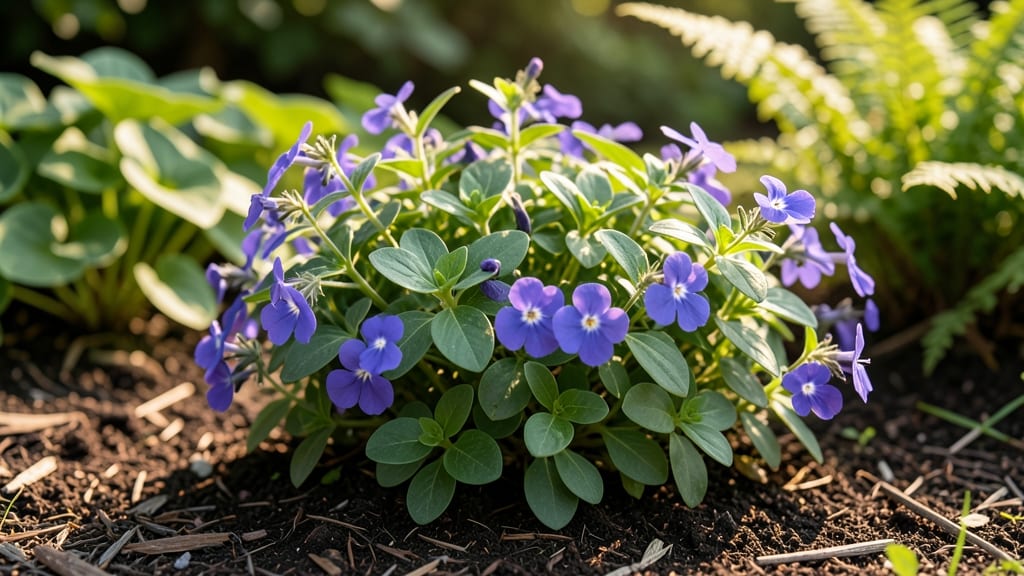
If you're wondering how tall does periwinkle grow, the answer might surprise you—these charming plants can range from low-spreading ground covers to upright shrubs, depending on the variety.
Whether you're planning a cozy garden corner or a bold landscape statement, understanding periwinkle's growth habits is key to getting the look you want.
The most common types, like Vinca minor (🌸), typically stay between 6 and 12 inches tall, creating a lush, carpet-like effect perfect for borders or shady spots.
But if you choose Vinca major, you could see heights up to 3 feet—ideal for adding vertical interest without overwhelming your space.
What makes periwinkle so versatile is how easily you can shape its growth. With a little pruning or strategic planting, you can keep it compact, encourage spreading, or even train it to climb.
The trick? Knowing which variety suits your garden’s style and how to care for it along the way.
Ready to transform your outdoor space? I’ll break down the best periwinkle types for your needs, plus tips to manage their height so you get the perfect balance of beauty and control. Let’s get started!


Periwinkle height varieties: from ground cover to shrub size explained
Periwinkle (Vinca spp.) is a garden workhorse known for its adaptability, but its height can vary wildly depending on the variety and growing conditions. Some types stay low and creeping, while others grow upright like small shrubs.
Understanding these differences helps you choose the perfect periwinkle for your space—whether it’s a tiny balcony or a sprawling landscape.
The most common periwinkle varieties fall into three height categories: dwarf ground covers (4–6 inches), standard ground covers (6–12 inches), and upright shrub forms (up to 3 feet). Each type thrives in different garden scenarios, from filling gaps between stepping stones to adding height to borders.
Let’s break down the specifics so you can plan your garden layout with confidence.
🌿
| Variety | Mature Height | Spread | Growth Habit | Best For |
|---|---|---|---|---|
| Dwarf Periwinkle (e.g., 'Blue Chip') | 4–6 inches | 12–18 inches | Creeping mat | Rock gardens, containers, small borders |
| Standard Periwinkle (e.g., Vinca minor) | 6–12 inches | 18–24 inches | Low-growing spreader | Ground cover, woodland gardens, under trees |
| Upright Periwinkle (e.g., 'Bowles' or Vinca major) | 1.5–3 feet | 2–3 feet | Bushy shrub | Borders, hedges, mixed beds |
| Trailing Periwinkle (e.g., 'Silver Showers') | 6–12 inches | 3–4 feet | Trailing vines | Hanging baskets, trellises, slopes |
The dwarf varieties, like 'Blue Chip', are perfect for small spaces where you want color without bulk. Their 4–6 inch height makes them ideal for edging pathways or filling gaps between pavers.
In contrast, standard periwinkle (Vinca minor) spreads wider but stays low, creating a lush carpet that chokes out weeds naturally. This variety is a favorite for woodland gardens or areas under trees where taller plants can’t thrive.
For those who want height and structure, upright periwinkle varieties like 'Bowles' or Vinca major reach 1.5–3 feet tall, making them excellent for borders or informal hedges. These types grow in a more bushy, shrub-like form, which adds vertical interest to garden beds.
If you’re designing a layered garden, pair these with taller perennials like hostas or astilbes to create depth.
Trailing varieties, such as 'Silver Showers', are a gardener’s secret weapon for adding drama to vertical spaces. While their height stays modest at 6–12 inches, their 3–4 foot spread makes them perfect for hanging baskets, trellises, or slopes.
Their cascading habit softens hard edges and adds movement to containers. To maximize their effect, plant them near seating areas where you can enjoy their silvery foliage and vibrant blooms up close.
🌸
One factor that often surprises new gardeners is how soil and sunlight influence periwinkle height. Poor, rocky soil can stunt growth, keeping plants on the shorter side, while rich, well-draining soil encourages fuller, taller growth.
Similarly, full sun can make upright varieties grow taller and bushier, while shade may keep them more compact. If you’re growing periwinkle in containers, choose dwarf varieties to prevent them from becoming top-heavy or spilling over unwanted areas.
Another key consideration is pruning habits. Regular pruning after flowering encourages denser growth and controls height. For example, if you’re growing 'Bowles' periwinkle as a hedge, shearing it back by one-third in early spring will keep it at a manageable 1.5–2 feet tall.
Without pruning, these varieties can grow taller and leggier, losing their compact charm. Even creeping types benefit from an annual tidy-up to remove spent blooms and encourage fresh foliage.
🪴
When planning your garden, think about spacing requirements to avoid overcrowding. Dwarf periwinkle can be planted 6–8 inches apart, while standard types need 12–18 inches of space to spread comfortably. Upright varieties should have 2–3 feet between plants to allow for their mature width.
If you’re using periwinkle as a ground cover, aim for a spacing of 10–12 inches to ensure full coverage within a season or two.
For container gardening, choose dwarf or trailing varieties to keep maintenance low. A 12-inch pot can comfortably hold a single 'Blue Chip' plant, while trailing types like 'Silver Showers' thrive in hanging baskets with 14-inch diameters. Always use well-draining soil and a container
Periwinkle height varieties: from ground cover to shrub size explained
Periwinkle (Vinca spp.) grows in two dramatically different forms: low-spreading ground covers and upright shrub-like varieties. The most common types—Vinca minor and Vinca major—typically reach 6 to 12 inches tall, but their spread can exceed 3 feet wide.
However, some dwarf varieties stay as short as 4 to 6 inches, while shrub forms like 'Bowles' Periwinkle can grow up to 3 feet tall.
Understanding these differences helps you choose the right variety for your garden design. For example, Vinca minor is perfect for woodland gardens or under trees, where its 6-inch height creates a lush carpet.
Meanwhile, Vinca major thrives in borders or containers, where its 12-inch height adds structure. The key is matching the variety to your space and sunlight conditions.
| Variety | Height Range | Spread | Best Use |
|---|---|---|---|
| Dwarf Periwinkle | 4-6 inches | 1-2 feet | Rock gardens, containers, small borders |
| Vinca minor | 6-12 inches | 2-3 feet | Ground cover, shade gardens, woodland areas |
| Vinca major | 12-18 inches | 3-4 feet | Borders, slopes, containers, shrub beds |
| 'Bowles' Periwinkle | Up to 3 feet | 3-5 feet | Shrub borders, tall containers, privacy screens |
Environmental factors like sunlight and soil quality also influence height. Periwinkle grown in full sun may develop slightly taller stems, while shadier conditions encourage denser, shorter growth.
For example, 'Silver Showers' grows taller in sun but stays compact in shade. Always check the specific variety’s care instructions to predict its mature size accurately.
If you’re designing a layered garden, use dwarf varieties in the front and taller shrub forms in the back. Pair them with ferns or hostas for contrast, or combine them with bulbs like daffodils for seasonal color.
The key is spacing plants based on their mature spread, not just height, to avoid overcrowding.
Pruning plays a huge role in managing height. Regularly trimming back leggy stems keeps periwinkle compact and bushy, while allowing it to grow freely encourages a wild, sprawling look.
For upright varieties, a late-winter prune removes dead wood and shapes the plant for the season ahead. Always use clean, sharp shears to avoid damaging stems.
For container gardening, choose dwarf or semi-dwarf varieties to prevent overcrowding. A 12-inch pot works well for Vinca minor, while 18-inch containers suit Vinca major. Use well-draining soil and place containers where they’ll receive morning sun and afternoon shade to keep growth controlled and blooms abundant.