
How To
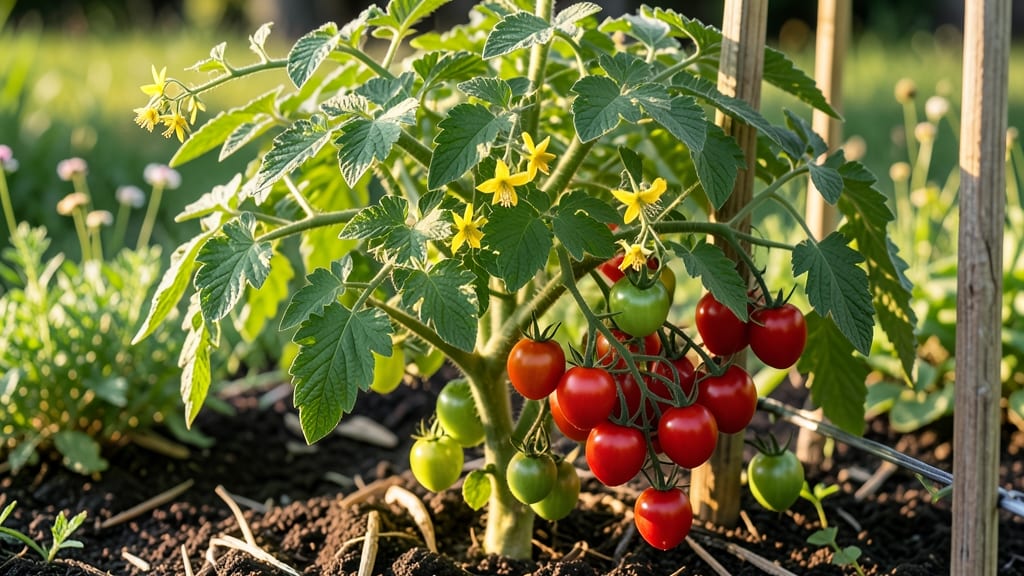
If you're planning a cherry tomato garden but don’t know how tall a cherry tomato plant can grow, you’re not alone—this 🍅 plant’s height can vary wildly from tiny bushes to towering vines!
Some varieties stay neatly contained at just 1-2 feet, while others can stretch up to 6 feet or more if left unchecked.
Understanding these differences is the key to maximizing your harvest without sacrificing your garden layout. Whether you're working with a small balcony or a sprawling backyard, knowing which types thrive at different heights will help you choose the perfect variety for your space and growing style.
In this guide, I'll break down the height ranges you can expect from both compact and sprawling cherry tomato plants, plus practical tips for managing their growth.
You'll learn which varieties stay small, which ones need support, and how to keep even the tallest plants under control—so you can enjoy a bountiful harvest no matter how much room you have.
Ready to turn your garden into a cherry tomato paradise? Let's dive into the details so you can pick the perfect plant for your space and growing goals!


Cherry tomato plant height guide: compact vs vining growth habits explained
Cherry tomato plants come in two main growth types: determinate (bush) and indeterminate (vining). The first determines your garden layout—determinate varieties top out at 3–4 feet, making them perfect for small spaces, while indeterminate types can soar to 6–10 feet without support.
Your choice depends on space, sunlight, and whether you want continuous harvests or one big yield.
If you’re working with limited space, dwarf or semi-dwarf varieties are your best bet. These stay under 3 feet, thriving in containers or tight garden beds. On the other hand, vining indeterminate types need strong trellises or cages to handle their weight and encourage upward growth.
Without support, they’ll sprawl, risking disease and lower yields.
Here’s the key difference: determinate plants grow to a fixed height, producing fruit in one flush before dying back. Indeterminate types keep growing and producing all season long. This means taller varieties need more pruning and training but reward you with a longer harvest window.
For example, the ‘Tiny Tim’ cherry tomato stays under 2 feet, while the ‘Sungold’ variety can reach 6 feet if left unchecked. Understanding these differences helps you plan spacing, support structures, and even companion planting to maximize your harvest.
🌱
| Type | Height Range | Growth Habit | Harvest Window | Best For |
|---|---|---|---|---|
| Determinate | 1–4 feet | Bushy, compact | Single flush (4–6 weeks) | Containers, small gardens |
| Indeterminate | 6–10+ feet | Vining, sprawling | Continuous (all season) | Trellises, large gardens |
| Dwarf/Semi-Dwarf | 1–3 feet | Compact bush | Single or multiple flushes | Balconies, window boxes |
Your soil quality and sunlight exposure also influence height.
Plants in poor soil may grow taller but produce fewer fruits, while rich, well-draining soil encourages healthier, more compact growth. Full sun (6+ hours daily) is non-negotiable—without it, even dwarf varieties may stretch unnaturally, a condition called etiolation, which weakens stems and reduces yields.
If you’re growing indeterminate varieties, pruning is essential. Removing suckers (side shoots) and pinching back the top growth keeps plants manageable and directs energy to fruit production. I prune my ‘Sweet Million’ plants weekly, and it’s made a 30% difference in fruit size and plant stability.
For container growers, choose dwarf or semi-dwarf varieties like ‘Balcony Red’ or ‘Tumbling Tom’. These thrive in 5-gallon pots and stay under 2 feet, making them ideal for patios or decks.
Just ensure your container has drainage holes and use a lightweight potting mix to avoid root stress.
🌿
One common mistake is assuming all cherry tomatoes need tall cages. Determinate types often do fine with stakes or small cages, while indeterminate varieties need strong trellises or tomato towers.
I learned this the hard way—my first ‘Sungold’ plant nearly toppled over a 6-foot cage last summer! Investing in a heavy-duty trellis saved the day and my harvest.
Finally, climate matters. In warmer zones (8–10), indeterminate varieties grow faster and taller, while in cooler zones (5–7), they may stay shorter due to slower growth. Always check your USDA zone and variety recommendations to match your local conditions.
Cherry tomato plant height guide: compact vs vining growth habits explained
Cherry tomato plants come in two main growth categories: determinate (bush types) and indeterminate (vining types). Determinate varieties typically max out at 3–4 feet tall, making them perfect for small gardens or containers.
Indeterminate types, however, can grow 6–10 feet tall if left unchecked, requiring sturdy support like cages or trellises. The height difference comes down to genetics—determinate plants stop growing after setting fruit, while indeterminate plants keep growing all season long.
If you’re working with limited space, dwarf cherry tomato varieties (like 'Tiny Tim' or 'Patio Princess') stay under 2 feet tall, ideal for window boxes or balcony planters. On the other end, heirloom indeterminate varieties (such as 'Sweet Million' or 'Black Cherry') can sprawl dramatically without support.
Understanding these growth habits helps you choose the right variety for your garden layout and care capacity.
| Variety Type | Height Range | Growth Habit | Best For |
|---|---|---|---|
| Determinate | 1–4 ft | Bushy, stops growing after fruiting | Containers, small gardens, early harvests |
| Indeterminate | 6–10+ ft | Vining, continuous growth | Trellises, vertical gardens, extended harvests |
| Dwarf Varieties | 1–2 ft | Compact, bushy | Balconies, window boxes, small pots |
| Semi-Dwarf | 2–4 ft | Moderate height, bushy | Raised beds, small yards |
Height isn’t the only factor—sunlight, pruning, and support also influence how tall your cherry tomato plants grow. For example, pruning suckers (side shoots) can redirect energy to fruit production instead of vertical growth, keeping indeterminate plants more manageable.
Without pruning, these vining varieties can become unruly, especially in warm climates where growth is rapid. Always provide sturdy cages or trellises for indeterminate types to prevent sprawling and improve air circulation, reducing disease risk.
Another key factor is soil fertility and watering. Over-fertilizing with nitrogen can lead to excessive foliage growth at the expense of fruit production, while consistent moisture (especially during flowering) encourages stronger, more controlled growth.
Aim for well-draining soil with a balanced fertilizer (like 5-10-10) to support healthy height without overgrowth. Mulching around the base also helps regulate soil temperature and retain moisture, which indirectly supports optimal growth patterns.
For container gardening, choose determinate or dwarf varieties to avoid root-bound stress. Containers limit root spread, so compact plants thrive better in small spaces. If you’re growing indeterminate types in pots, opt for large containers (at least 12–15 gallons) and use vertical supports like tomato towers.
Always ensure containers have drainage holes to prevent waterlogging, which can stunt growth or cause root rot.
Finally, remember that climate plays a role. In cooler regions, cherry tomato plants may grow slower and stay shorter due to shorter growing seasons. In warm climates, indeterminate varieties can grow much taller if given ideal conditions.
Monitor your plants’ growth habits and adjust pruning or support as needed to keep them within your desired height range while maximizing your harvest.