
How To
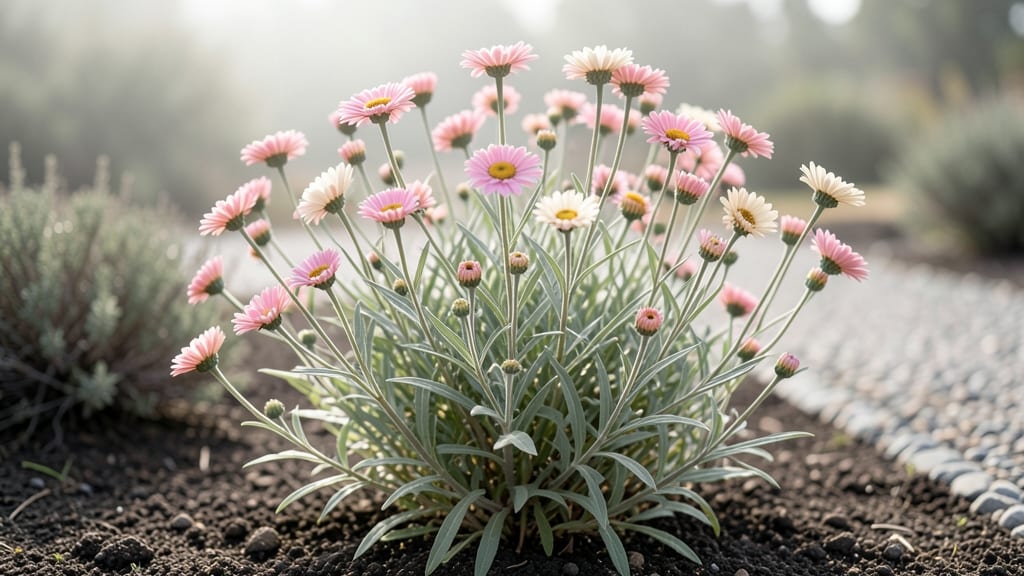
If you're planning your garden layout or dreaming up bouquets, knowing how tall strawflowers grow is the first step to creating stunning visuals—without the guesswork. These drought-resistant beauties (🌼) can range from compact 1-foot wonders to towering 3-foot statement pieces, depending on the variety and growing conditions.
For home gardeners in USDA Zone 6a, strawflowers planted in spring (March-April) typically reach their full height by June-October, making them perfect for seasonal displays. Whether you're filling containers or lining borders, understanding their growth habits helps you avoid overcrowding and maximize their vibrant blooms.
The key to controlling height lies in variety selection and care—some types stay neatly mounded at 18 inches, while others stretch toward 3 feet. Sunlight, soil, and even a little pruning can tweak their growth, so let’s break down exactly what to expect from each type.
Ready to plan your strawflower garden with confidence? I’ll walk you through the exact heights of popular varieties, plus tips to keep them thriving—whether you want a low-maintenance border or a cutting garden staple.


Strawflower height by variety: exact growth ranges for garden planning
Strawflowers (Helichrysum bracteatum) are stunning, long-lasting blooms that thrive in full sun and drought conditions, but their mature height varies widely by variety.
Whether you're designing a cutting garden or adding vertical interest to your landscape, knowing the exact height range helps you choose the perfect strawflower for your space. Some varieties stay compact at just 12–18 inches, while others tower up to 3 feet or more.
Most strawflowers are annuals in cooler climates (USDA zones 6–10) but can behave as perennials in warmer regions. Their height is influenced by sunlight exposure, soil fertility, and pruning habits.
For example, a 'Limelight' variety might reach 24–36 inches in ideal conditions, while a 'Dublin' stays shorter at 12–18 inches. Let’s break down the most popular varieties and their growth habits to help you plan with precision.
If you're working with limited space, opt for compact varieties like 'Dublin' or 'Tahiti,' which thrive in containers or window boxes. These varieties rarely exceed 18 inches and produce abundant blooms perfect for cut arrangements.
For taller arrangements, 'Limelight' or 'White Lady' add dramatic vertical interest to mixed borders or back-of-bed plantings.
Spacing is critical for airflow and preventing disease. Follow the recommended inches in the table above—crowding can stunt growth or lead to leggy stems.
For example, 'Limelight' needs 12–18 inches between plants to reach its full 3-foot potential, while 'Dublin' can be planted 8–12 inches apart for a lush, mounding effect.
One common mistake is assuming all strawflowers grow the same height. Over-fertilizing with nitrogen can lead to taller but weaker stems, while pruning regularly encourages bushier, more compact growth.
If you're growing strawflowers for dried arrangements, taller varieties like 'White Lady' are ideal—their slender stems hold up beautifully when dried.
For container gardening, choose dwarf or semi-dwarf varieties and ensure your pot has drainage holes to prevent root rot. A 5-gallon container works well for 'Dublin' or 'Tahiti,' while larger pots (7+ gallons) accommodate taller types like 'Limelight.'
Always use a well-draining potting mix to mimic their native dry, sandy soils.
In full sun (6+ hours daily), strawflowers grow 1–2 inches per week during their peak season, reaching maturity in 80–120 days from seed. However, if you're transplanting young plants, they’ll often bolt to full height in 6–8 weeks under ideal conditions.
This rapid growth makes them perfect for quick-season gardens or areas with short growing periods.
If you're designing a cutting garden, prioritize taller varieties like 'Limelight' or 'White Lady' for long stems. For bedding plants, compact types like 'Dublin' create a colorful, low-maintenance carpet.
Mixing heights—like pairing 'Moonshine' (18–24 inches) with 'Dublin' (12–18 inches)—adds textural depth to your landscape while keeping maintenance manageable.
🌼 Remember: Strawflowers are self-cleaning—they don’t require deadheading to prolong blooms, but <
Strawflower growth stages: when and how fast they reach full height
Strawflowers (Helichrysum bracteatum) are fast-growing annuals that typically reach their mature height within 3–4 months of planting. Understanding their growth stages helps you predict when they’ll fill out your garden beds or containers.
Most varieties grow 1–2 inches per week under ideal conditions, so you can expect noticeable progress each week during the growing season.
From seed to full bloom, strawflowers pass through three key stages: sprouting, vegetative growth, and flowering. Each stage impacts how quickly—and how tall—they grow.
For example, dwarf varieties like 'Moonshine' may take slightly longer to mature compared to taller types like 'Limelight', which can bolt faster in warm climates. Knowing these stages helps you time pruning, deadheading, and even harvesting for cut flowers.
🌱 Did You Know? Strawflowers are self-seeding annuals in warm climates, meaning they’ll often reappear year after year without replanting. This trait makes them ideal for low-maintenance gardens, but it also means their height and growth rate can vary slightly between seasons depending on weather conditions.
🌱 Strawflower Growth Timeline
Week 1–2: Sprouting (0.5–1 inch tall). Keep soil moist but not soggy to encourage strong root development.
Week 3–6: Vegetative growth (1–2 inches per week). This is when they branch out and develop their signature upright stems. Pinch back tips to encourage bushier growth if desired.
Week 7–12: Flowering (full height reached). Most varieties hit their peak height by 8–10 weeks, though some may continue growing slowly until frost.
Pro Tip: For taller varieties, stake stems at Week 6 to prevent flopping in wind or rain.
Light and soil conditions play a huge role in how fast strawflowers grow. While they’re drought-tolerant once established, they bolt faster (and sometimes grow taller) in full sun with well-draining soil.
If you notice slow growth or leggy stems, check for shade stress or overwatering, which can stunt their development. A balanced fertilizer (like 5-10-10) applied every 4–6 weeks during the growing season can also give them a growth boost without excessive foliage.
One common misconception is that strawflowers grow slowly, but in reality, they’re moderate to fast growers when given the right conditions.
For instance, 'Dublin'—a medium-height variety—can reach 2 feet in just 6–8 weeks, while taller types like 'Limelight' may take 10–12 weeks to hit their 3-foot mark. This makes them perfect for quick garden fillers or cutting gardens where you want long-lasting blooms without waiting months.
To maximize height and bloom time, start seeds indoors 6–8 weeks before your last frost or plant transplants in early spring.
If you’re growing them in containers, choose deeper pots (at least 12 inches deep) to support their root systems and prevent root-bound stress, which can limit their growth. With the right care, you’ll have vibrant strawflowers filling your garden in no time!
✂️ Remember: The key to controlling height isn’t just pruning—it’s starting with the right variety and giving them the sun, soil, and water they crave. Even in smaller spaces, strawflowers can thrive and add bold color to your landscape!