
How To
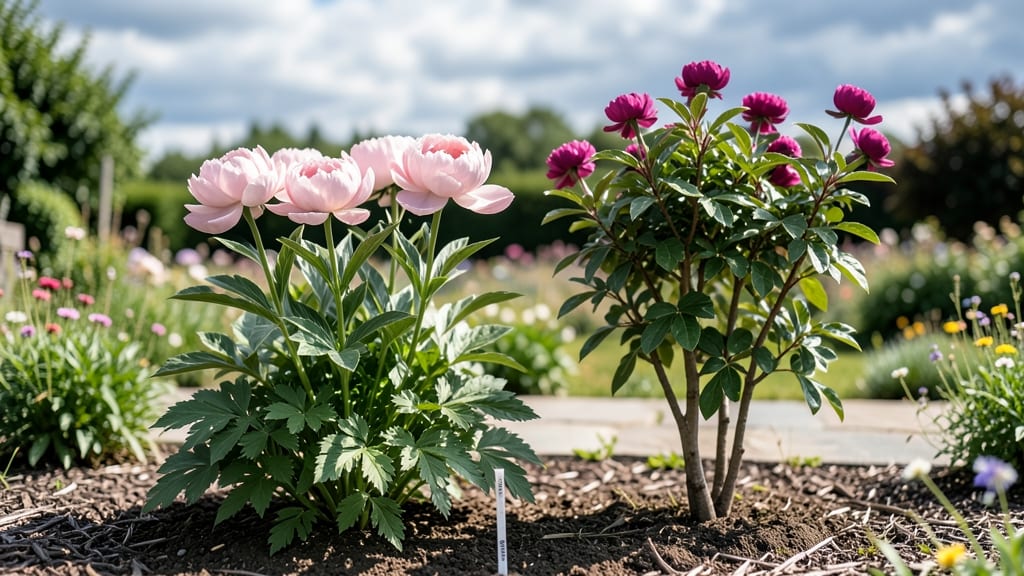
Peony height ranges by variety: from dwarf to towering giants
Peonies are one of the most rewarding garden plants, but their height variations can be confusing if you're planning your garden layout. The good news? There's a peony variety for every space, from tiny patio containers to dramatic backyard borders.
Understanding these height differences helps you choose plants that fit perfectly—whether you want a low-maintenance border or a showstopping focal point.
Peonies generally fall into three main categories: herbaceous, tree, and intersectional hybrids. Each type has distinct growth patterns, with mature heights ranging from 12 inches to over 5 feet.
For example, the 'Bowl of Beauty' herbaceous peony stays compact at just 18 inches, while the 'Sarah Bernhardt' tree peony can reach 4-5 feet tall. Knowing these differences ensures you select varieties that thrive in your space without crowding other plants.
Here’s a quick look at how peony heights break down by type and popular cultivars:
| Peony Type | Height Range | Popular Varieties | Best For |
|---|---|---|---|
| Herbaceous Peonies | 12" – 36" | 'Bowl of Beauty', 'Sarah Bernhardt', 'Coral Charm' | Borders, cottage gardens, containers |
| Tree Peonies | 3' – 5' | 'Duchesse de Nemours', 'Lavender Lark', 'Shinii Shizuku' | Backyard focal points, trellises, large gardens |
| Intersectional Hybrids | 2' – 4' | 'Bartzella', 'Cecile Brunner', 'Karl Rosenfield' | Mixed borders, cutting gardens, small spaces |
Herbaceous peonies are the most common and die back to the ground each fall, regrowing from their roots each spring. Their heights vary widely, with dwarf varieties like 'Coral Charm' staying under 2 feet, while standard types like 'Sarah Bernhardt' can reach 3 feet.
These are ideal for front-of-border plantings or container gardens on patios.
Tree peonies, on the other hand, are woody-stemmed perennials that retain their foliage year-round in mild climates. Their taller stature (3-5 feet) makes them perfect for backyard statements or as privacy screens.
Varieties like 'Duchesse de Nemours' produce large, fragrant blooms that draw pollinators and add drama to any landscape.
Intersectional hybrids blend the best traits of both types, offering compact growth (2-4 feet) with longer bloom times. These are great for smaller gardens or layered plantings where you want height without overwhelming other plants.
For example, 'Bartzella' reaches about 3 feet and blooms in early summer, making it a versatile choice for mixed borders.
If you're working with limited space, consider dwarf herbaceous peonies like 'Little Princess' (12-18 inches) or 'Coral Charm' (18-24 inches). These thrive in containers or window boxes and still produce stunning, fragrant blooms.
For urban gardens or balconies, choose varieties that won’t outgrow their pots—most herbaceous peonies can be pruned back annually to maintain their size.
For large gardens or formal landscapes, tree peonies like 'Shinii Shizuku' (4-5 feet) create a grand, architectural presence. Pair them with tall grasses or shrubs to add texture and contrast.
Remember, tree peonies grow slowly but can live for decades with proper care, making them a long-term investment in your garden’s beauty.
One common misconception is that all peonies need massive space. In reality, with the right variety and pruning techniques, you can grow peonies in almost any setting.
For instance, 'Karl Rosenfield', an intersectional hybrid, stays around 3 feet tall but produces abundant blooms perfect for cutting gardens or small flower arrangements.
To maximize your peony’s potential, always check the mature height of the variety before planting. Most nurseries list this information, and it’s the best way to avoid overcrowding as your plants mature.
With the right choice, your peonies will thrive for years, adding color, fragrance, and elegance to your garden every spring and summer. 🌸
Peony growth habits: what affects their height and how to maximize it
Peonies are stunning garden stars, but their height potential depends heavily on a few key factors. I’ve learned the hard way that neglecting these can leave you with stunted blooms instead of the towering beauty you envisioned.
The good news? With the right care, you can push even dwarf varieties to reach their maximum height—or keep tall peonies in check for small spaces.
First, let’s talk sunlight exposure. Peonies crave 6+ hours of direct sun daily—any less and they’ll stretch awkwardly toward light, sacrificing bloom quality for height. I once planted a 'Sarah Bernhardt' in partial shade, and while it survived, its 3-foot blooms became sparse and leggy.
Move yours to full sun, and you’ll see those bloom stalks thicken and stand proudly.
Soil quality plays an equally critical role. Peonies thrive in well-draining, slightly alkaline soil (pH 6.5–7.0). Heavy clay or sandy soil can stunt growth, while rich, loamy soil with added compost or bone meal encourages robust stems.
Before planting, amend your soil with 2–3 inches of compost and a high-phosphorus fertilizer to fuel those early growth spurts.
| Factor | Ideal Condition | Effect on Height |
|---|---|---|
| Sunlight | 6+ hours direct sun | Maximizes bloom stalk thickness and strength |
| Soil | Well-draining, pH 6.5–7.0 | Encourages deep root growth for taller stems |
| Watering | Deep soak weekly (spring/fall) | Prevents floppy stems; avoids fungal issues |
| Pruning | Deadhead after blooming; cut back in fall | Promotes bushier growth and taller blooms next season |
| Climate | USDA Zones 3–8 | Warmer zones may need winter mulch for consistent height |
Don’t overlook pruning practices—they’re the secret to controlling height and encouraging stronger growth. After your peonies bloom, deadhead spent flowers to redirect energy to next year’s buds. In late fall, cut back the foliage to 2–3 inches above ground, but never the crown.
This prevents disease and helps the plant store energy for taller, more abundant blooms the following season.
One common mistake I see is over-fertilizing with nitrogen. Too much nitrogen leads to lush foliage but weak stems that flop under the weight of blooms. Instead, use a balanced 5-10-10 fertilizer in early spring to support root and bloom development.
And here’s a pro tip: Mulch heavily in winter (3–4 inches) to protect roots and promote vigorous spring growth.
Finally, climate matters. Peonies in warmer zones (7–8) may need afternoon shade to prevent heat stress, which can stunt growth. In colder zones (3–5), ensure they get full winter dormancy)—don’t mulch too early or late, or you’ll smother the plant. With these adjustments, you’ll coax your peonies to reach their full genetic height potential, whether that’s a compact 18 inches or a majestic 5 feet.