
How To
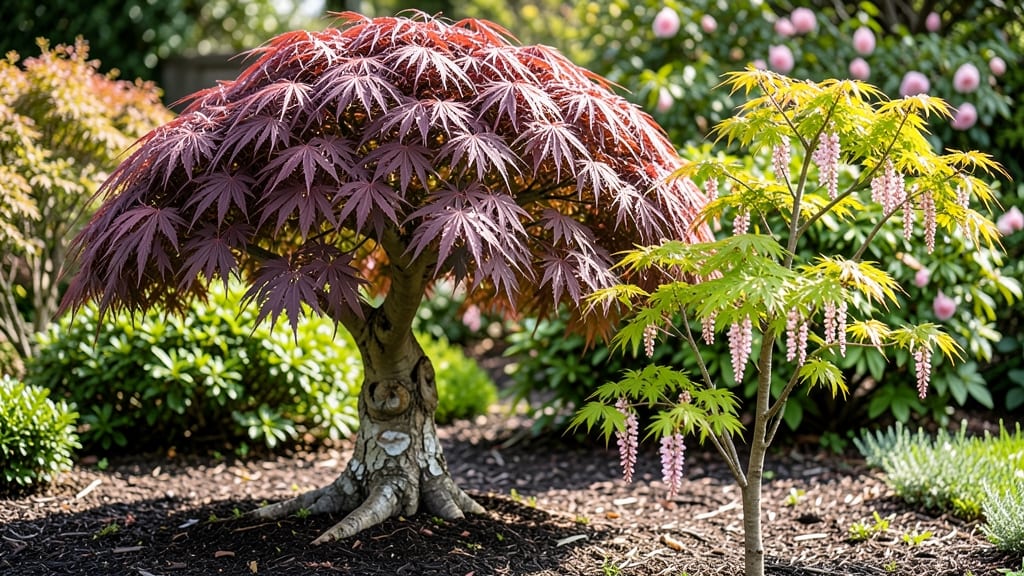
If you're wondering how tall Japanese maple grow, the answer might surprise you—some varieties stay compact enough for a patio, while others reach towering heights that turn heads in any landscape. This stunning 🌳 tree isn’t one-size-fits-all, and the right choice depends on your space and long-term vision.
Whether you're dreaming of a delicate 6-foot accent tree or a majestic 30-foot centerpiece, understanding the growth potential of different Japanese maple varieties is key. From the dwarf 'Emperor I' to the dramatic 'Black Dragon,' each type has its own timeline and space requirements.
But here’s the game-changer: proper pruning can shape your tree’s height and shape, giving you control over its growth trajectory. I’ll break down the mature size ranges by variety and share expert tips to keep your Japanese maple thriving—no matter how much (or little) space you have.
Ready to pick the perfect variety for your garden? Let’s explore how to choose and care for a Japanese maple that fits your vision—without sacrificing its breathtaking beauty.


Japanese maple mature height ranges by popular varieties
Japanese maples (Acer palmatum) are prized for their stunning foliage and compact growth habits, but their mature height can vary dramatically—from under 6 feet to over 30 feet tall. The key to planning your garden lies in choosing the right variety for your space.
Some, like 'Bloodgood', grow into towering specimens, while others, such as 'Crimson Queen', stay petite enough for containers. Let’s break down the height ranges by category so you can visualize which fits your yard.
Most Japanese maples reach 50% of their mature height within 5 years, but growth slows significantly after 10 years. For example, a 20-foot variety might only gain 1-2 feet per year in its prime, while younger trees can surge 3-5 feet annually with ideal conditions.
Understanding these growth rates helps you predict how quickly your tree will fill out its space.
Here’s a quick reference for the most popular categories: dwarf (under 6 ft), semi-dwarf (6-12 ft), standard (12-20 ft), and tall/weeping (20+ ft). Each has unique care needs, especially when it comes to pruning and sunlight exposure, which we’ll explore later.
| Variety | Mature Height | Spread | Growth Rate | Best For |
|---|---|---|---|---|
| 'Crimson Queen' | 4-6 ft | 3-5 ft | Slow (6-12 in/year) | Containers, patios |
| 'Emperor I' | 6-8 ft | 5-7 ft | Moderate (12-18 in/year) | Small gardens, borders |
| 'Bloodgood' | 20-25 ft | 15-20 ft | Fast (18-24 in/year) | Large landscapes, focal points |
| 'Black Dragon' | 10-15 ft | 8-12 ft | Moderate (12-18 in/year) | Medium yards, shade trees |
| 'Shishigashira' | 15-20 ft | 10-15 ft | Slow (6-12 in/year) | Weeping varieties, focal trees |
Note: Heights are approximate and can vary based on climate, soil, and care.
If you’re working with limited space, dwarf varieties like 'Crimson Queen' or 'Orangeola' (3-5 ft) are perfect for containers or small yards. These thrive in 15-gallon pots and can be moved seasonally, though they’ll need winter protection in colder zones.
For a medium-sized yard, semi-dwarf varieties like 'Emperor I' or 'Tamukeyama' (8-12 ft) strike a balance between manageable size and dramatic presence.
For large landscapes or statement pieces, standard varieties like 'Bloodgood' or 'Shishigashira' (weeping) can reach 20-30 feet tall, creating a canopy effect. These varieties often develop broad canopies, so account for their spread (often equal to or wider than their height) when planting near structures or sidewalks.
Always measure your space and plant at least 3 feet away from hardscapes to avoid root competition.
Weeping Japanese maples, such as 'Shishigashira' or 'Viridis', have long, graceful branches that can extend 2-3 feet beyond their trunk height. This makes them ideal for garden focal points or shade features, but they require sturdy support when young to prevent branch breakage.
Prune weeping varieties lightly to encourage their natural shape—avoid heavy cuts, which can disrupt their elegant form.
One common misconception is that all Japanese maples grow slowly. While true, some varieties like 'Bloodgood' or 'Emperor I' can grow 12-18 inches per year in optimal conditions (full sun, well-draining soil, and consistent moisture). To encourage faster growth, mul
Japanese maple mature height ranges by popular varieties
Japanese maples (Acer palmatum) are stunning ornamental trees, but their mature height varies dramatically between varieties. Some stay compact enough for containers, while others grow tall enough to shade entire backyards.
The key factor determining height is the variety—dwarf types rarely exceed 8 feet, while standard varieties can reach 30 feet or more. Always check the label at the nursery, as even "dwarf" trees can surprise you with unexpected growth spurts.
For example, the 'Bloodgood' cultivar is a standard variety that typically grows 20–25 feet tall with a 15–20 foot spread, making it perfect for large landscapes. In contrast, the 'Emperor I' is a dwarf variety that maxes out at 6–8 feet, ideal for small gardens or patio containers.
Understanding these ranges helps you plan your garden layout and avoid overcrowding.
Here’s a quick comparison of popular varieties and their mature heights to help you visualize their scale in your space:
| Variety | Mature Height | Spread | Growth Rate | Best For |
|---|---|---|---|---|
| 'Bloodgood' | 20–25 ft | 15–20 ft | Moderate | Large landscapes, focal points |
| 'Emperor I' | 6–8 ft | 6–8 ft | Slow | Containers, small yards, patios |
| 'Black Dragon' | 8–12 ft | 8–10 ft | Slow to moderate | Medium gardens, accent plantings |
| 'Crimson Queen' | 15–20 ft | 10–15 ft | Moderate | Backyard gardens, shade trees |
| 'Shishigashira' | 6–10 ft | 6–8 ft | Slow | Bonsai, small spaces, containers |
If you’re unsure which variety to choose, consider your garden’s sunlight conditions and available space. For instance, 'Emperor I' thrives in partial shade and is perfect for urban gardens, while 'Bloodgood' loves full sun and needs room to spread.
Always measure your space before planting—Japanese maples hate being transplanted once mature, so choose wisely!
Another critical factor is the growth rate. Dwarf varieties like 'Shishigashira' grow only 1–2 inches per year, while standard types like 'Crimson Queen' can add 12–24 inches annually.
This means a 10-foot tree might take 5 years to mature in a dwarf variety but only 2–3 years in a faster-growing type. Plan accordingly to avoid impatience leading to over-pruning!
Pro tip: Check the USDA Hardiness Zone for your variety—most Japanese maples thrive in Zones 5–8, but some dwarf types (like 'Emperor I') are more cold-hardy. Always verify the zone compatibility to ensure your tree survives winter.
For example, 'Bloodgood' may struggle in Zone 4 without winter protection, while 'Emperor I' handles Zone 5 with ease.
Finally, remember that container-grown Japanese maples stay smaller than their in-ground counterparts. A 'Black Dragon' in a 15-gallon pot might only reach 5–6 feet, while the same tree planted in the ground could hit 8–10 feet.
If you’re growing in containers, prune regularly to control height and root-bound stress.