
Trees
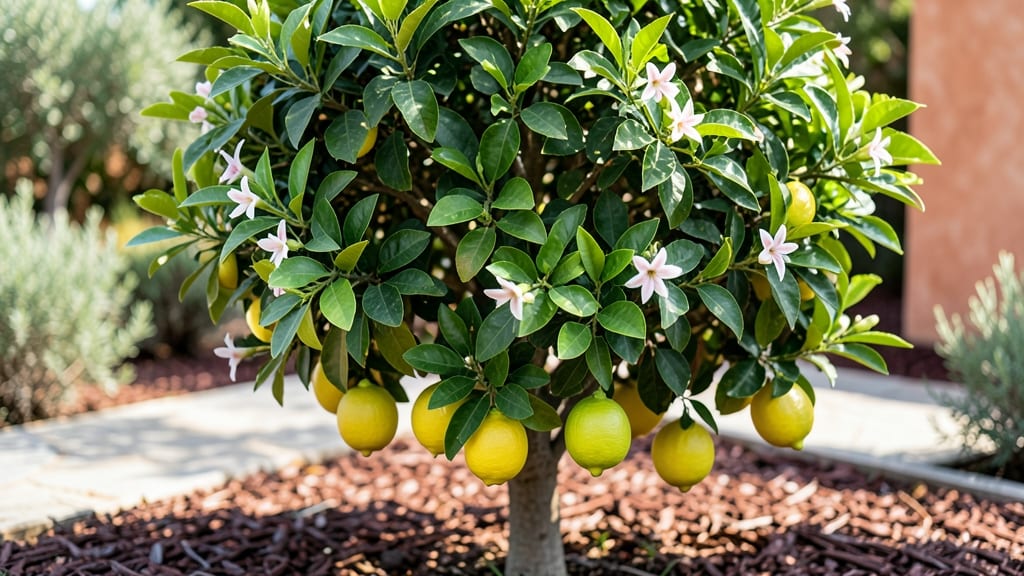
If you’ve ever dreamed of plucking fresh lemons straight from your backyard, you might be wondering just how tall lemon trees grow—because those towering citrus giants in grocery stores don’t exactly fit in a suburban patio.
The truth? Your 🍋 lemon tree’s height depends on more than just genetics—it’s a mix of variety, care, and a little strategic pruning.
Picture this: a Meyer lemon tree, sweet and compact, could stay under 6 feet with the right conditions, while a standard Eureka variety might reach 20 feet or more if left unchecked.
That’s a big difference, and it’s why choosing the right type—and knowing how to guide its growth—is the key to a happy, productive tree.
But here’s the good news: whether you’re working with a dwarf variety for a container or a full-sized tree for your yard, I’ll break down exactly what influences height—from sunlight to soil—and how to shape your lemon tree to fit your space. Let’s get growing!
Ready to turn that citrus dream into reality? You’ll discover how fast these trees grow, when to prune for control, and even how climate plays a role in their sky-high ambitions. No guesswork—just science-backed tips for a tree that’s as manageable as it is rewarding.


Lemon tree height by variety: dwarf to standard mature sizes
If you're dreaming of a homegrown lemon tree but wondering how tall it might get, the answer starts with the variety you choose. Some lemon trees stay compact enough for container gardening, while others grow tall enough to shade your backyard.
Let's break down the most popular types and their mature heights.
For home gardeners, the Meyer lemon is a favorite because it stays manageable at 6-10 feet tall. Meanwhile, commercial varieties like Eureka or Lisbon can reach 15-25 feet or more if left unpruned. Knowing these differences helps you plan your garden layout and care routine.
🌱
My Meyer lemon tree started as a small potted plant and now stands at 8 feet after just 5 years. This variety is perfect for urban gardeners because it adapts well to container life and produces fruit year-round in USDA zones 9-11.
If you live in colder climates, consider a dwarf variety or grow it indoors near a south-facing window.
For those with more space, Eureka and Lisbon lemons are excellent choices for backyard orchards. These trees require proper pruning to manage their height, especially if you want to keep them under 15 feet.
Without pruning, they can easily reach 20+ feet, making them better suited for rural properties or commercial farms.
The Ponderosa lemon is the tallest variety, often growing 30+ feet in ideal conditions. It’s prized for its large, fragrant fruit but needs ample space. If you're considering this variety, plan for regular pruning and a wide planting area to accommodate its mature size.
When choosing a lemon tree variety, also consider your climate zone. Dwarf varieties thrive in containers and can be moved indoors during winter, while standard varieties need permanent outdoor planting in warm climates. Always check the USDA hardiness zone recommendations for your specific variety.
If you're growing lemons in containers, remember that root-bound trees grow slower and may stay shorter. Prune roots annually to encourage healthier growth and prevent overcrowding.
For ground-planted trees, spacing is key—give each tree at least 10-15 feet of space to avoid competition for sunlight and nutrients.
🌳
Factors that affect lemon tree height growth (and how to control it)
Your lemon tree’s height isn’t just about genetics—it’s a mix of environmental factors and your care habits. I’ve grown lemon trees in USDA Zones 9-11, and I’ve seen wild variations in growth based on just a few key conditions.
Let’s break down what controls your tree’s vertical expansion and how you can steer it toward your ideal size.
First, sunlight exposure plays a massive role. Lemon trees thrive in full sun (6+ hours daily), but too little light slows growth.
My Meyer lemon tree in a partially shaded patio grew only 3 feet in 3 years, while the same variety in a sunny backyard hit 8 feet in 2 years. The difference? Photosynthesis power—more sun means faster, taller growth.
Next, soil quality determines how well your tree can absorb nutrients. Well-draining, slightly acidic soil (pH 6.0-7.0) is ideal. I once planted a Lisbon lemon tree in heavy clay soil—its growth stalled at 4 feet for 5 years until I amended the soil with compost and perlite.
Suddenly, it shot up 2 feet in a single growing season.
Don’t overlook watering habits. While lemon trees are drought-tolerant, inconsistent watering causes stunted growth.
My Eureka lemon tree in a container grew 1 foot per year when I watered deeply 3 times a week, but it barely budged when I forgot to water for 10 days at a time. Deep, infrequent watering encourages strong root development, which fuels upward growth.
Here’s where things get interesting: pruning techniques can either encourage or limit height. I’ve used selective pruning to keep my dwarf varieties under 6 feet while letting my standard trees reach 15+ feet.
The key is timing—prune in late winter or early spring to shape growth for the coming season. Over-pruning stresses the tree, while under-pruning lets it grow unchecked.
Finally, climate and microclimates matter. Coastal areas with humid, mild winters often produce faster-growing lemon trees than hot, dry inland zones.
My Meyer lemon in Zone 10 grows 2 feet per year, while the same tree in Zone 8 (with winter protection) grows only 1 foot annually. Wind exposure also plays a role—trees in sheltered spots grow taller than those battered by coastal winds.
Now that you know the factors, let’s turn these insights into actionable control methods. Whether you want a compact patio tree or a towering backyard giant, understanding these elements puts you in the driver’s seat.
Ready to dive into the specifics? Let’s talk pruning strategies next—because timing and technique make all the difference.
- 🌞 Sunlight: 6+ hours daily = faster growth; less sun = stunted height. My Meyer lemon grew 50% slower in partial shade.
- 🌱 Soil Quality: Well-draining, acidic soil (pH 6.0-7.0) fuels growth. Poor soil = weak roots = slower height gain.
- 💧 Watering: Deep, infrequent watering (1-2 gallons) encourages strong roots. Inconsistent watering = stunted growth.
- ✂️ Pruning: Late winter/early spring pruning controls height. Over-pruning stresses trees; under-pruning lets them grow wild.
- 🌡️ Climate: Coastal/mild zones = faster growth; hot/dry zones = slower height gain. Wind exposure can also limit growth.