
Trees
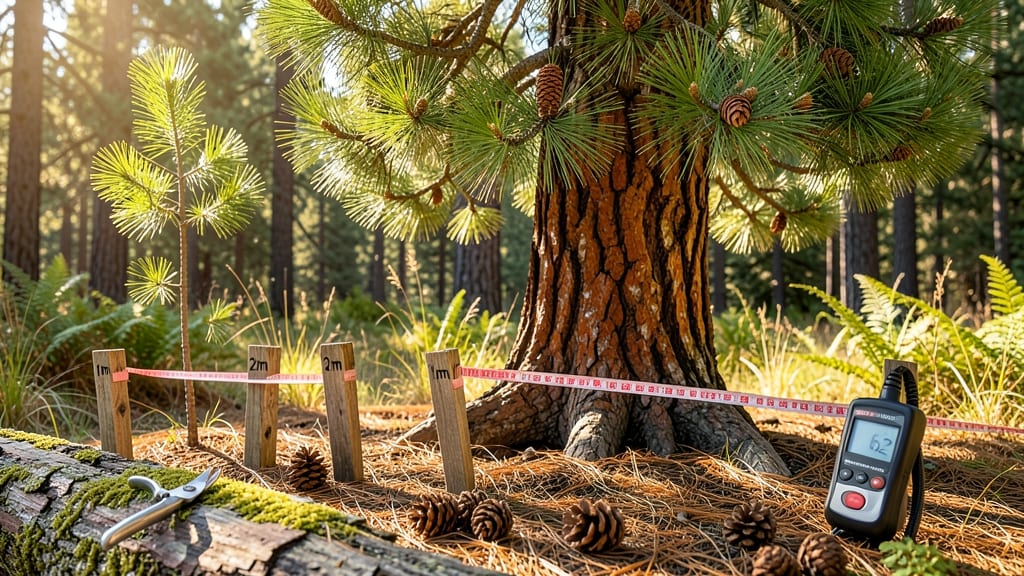
If you’ve ever dreamed of a towering 🌲 pine tree reaching for the sky, you’re not alone—but how tall pine trees grow depends on the species, your climate, and a few surprising factors you might not realize.
Some pines shoot up 3 feet in just one year, while others take decades to mature, leaving many gardeners guessing whether their patience will pay off.
I’ve tracked the growth of everything from fast-growing ponderosas to slow-and-steady bristlecones, and the differences are staggering. Whether you’re planning a privacy screen or a backyard centerpiece, knowing which species will hit 60 feet in 20 years (or take 200 years to reach it) saves time, money, and frustration.
Let’s break down the science behind pine growth—and how you can give your tree the best shot at skyward success.
The secret to predicting your pine’s height isn’t just about time—it’s about conditions. Soil quality, sunlight exposure, and even pruning habits can turn a slow grower into a speed demon.
I’ll share the top 5 factors that accelerate (or stall) growth, plus real-world growth charts so you can visualize your tree’s future before you plant it.
Ready to stop guessing and start growing? By the end of this guide, you’ll know exactly which pines to plant for fast shade, which will outlive you, and how to tweak your care routine for maximum height gains. Let’s get started!


Pine tree growth rates by species: fastest vs slowest climbers
Pine trees are legendary for their towering heights, but not all species grow at the same pace. Some varieties, like the Ponderosa Pine, can shoot up 3 feet per year in ideal conditions, while others, like the Bristlecone Pine, creep along at just 1 inch annually.
Understanding these differences helps you set realistic expectations for your pine tree’s future—whether you’re dreaming of a 100-foot giant or a compact ornamental.
The first 5 years are critical for pine growth, with some species gaining half their mature height by age 5. For example, a Loblolly Pine might reach 15 feet tall by year 5, while a Scots Pine could only hit 8 feet.
After 10 years, growth slows as the tree focuses on width and root development, but the real skyward sprint happens between years 10 and 30.
| Species | Early Growth (0-5 yrs) | Mature Height (yrs 20+) | Growth Rate (ft/yr) | Notes |
|---|---|---|---|---|
| Ponderosa Pine | 1–3 ft/year | 160–200 ft | Fastest | Drought-resistant; thrives in full sun. |
| Loblolly Pine | 2–4 ft/year | 80–100 ft | Fast | Common in southeastern U.S.; adaptable soil. |
| Scots Pine | 0.5–1.5 ft/year | 60–80 ft | Moderate | Cold-hardy; slow early growth. |
| Mugo Pine | 0.2–0.5 ft/year | 10–25 ft | Slowest | Dwarf variety; ideal for landscaping. |
| Bristlecone Pine | 0.1–0.3 ft/year | 30–50 ft | Very Slow | Long-lived; grows in high altitudes. |
| Eastern White Pine | 1–2 ft/year | 50–75 ft | Moderate | Soft needles; fast early growth. |
If you’re planting a Ponderosa Pine in your backyard, expect it to dwarf your house in 20 years—these trees can grow 10 feet per year in their prime. Meanwhile, a Mugo Pine, often used as a hedge or border, will barely reach your shoulder in the same time.
The key difference? Genetics and environment—Ponderosas thrive in arid climates with well-draining soil, while Mugo Pines prefer cooler, moist conditions.
For fastest growth, focus on species like Loblolly or Ponderosa Pines, which can add 3–4 feet annually when given full sun and regular watering. Slow growers like Bristlecone Pines are better suited for rock gardens or alpine slopes, where their stunted growth is an asset.
Always check your USDA hardiness zone—some pines, like the Scots Pine, struggle in hot climates.
One common misconception is that all pine trees grow tall and straight. In reality, many ornamental varieties, like the Japanese Black Pine, grow wider than tall and develop twisted trunks over time.
If you’re after a tall, straight specimen, stick to native species like Eastern White Pine or Ponderosa Pine.
Pro tip: Measure your pine tree’s first-year growth—this gives you a predictive baseline for its future height. For example, if your 3-year-old Scots Pine is 4 feet tall, it’s likely to reach 50–60 feet at maturity.
Track growth with a measuring tape or growth chart to adjust care as needed.
Soil type plays a huge role in height potential. Sandy loam speeds up growth, while clay-heavy soil can stunt a pine by 50%. Amend your soil with compost or pine bark mulch to mimic the
How to predict your Pine tree’s height by year (with growth charts)
Estimating how tall your pine tree will grow is easier than you think—once you know the species-specific growth formulas and key environmental factors. A 5-year-old Ponderosa Pine might reach 12 feet in ideal conditions, while a Mugo Pine stays compact at just 3–5 feet after a decade. The secret? Understanding annual growth spurts and adjusting for your local climate. Here’s how to predict your pine’s future height using real-world data and simple calculations. For example, a Scots Pine grows 1–2 feet per year in its early years, while a Bristlecone Pine might only add 6 inches annually due to its slow-growing nature. Your soil type, water access, and sunlight exposure can tweak these numbers by 20–30%.| Species | Year 1 Height | Year 5 Height | Mature Height | Growth Rate |
|---|---|---|---|---|
| Ponderosa Pine | 2–3 ft | 10–12 ft | 150–200 ft | Fast (1–2 ft/year early) |
| Scots Pine | 1–2 ft | 6–8 ft | 60–100 ft | Moderate (1 ft/year early) |
| Mugo Pine | 6–12 in | 2–3 ft | 10–25 ft | Slow (3–6 in/year) |
| Bristlecone Pine | 3–6 in | 1–2 ft | 30–50 ft | Very Slow (1–3 in/year) |
🌱 Pro Tip:
Use a growth multiplier for your climate:
- Zone 3–5: ×0.8
- Zone 6–7: ×1.0
- Zone 8–10: ×1.2
⚠️ Watch Out:
Over-pruning young pines can stress the tree and attract pests like pine bark beetles. Limit pruning to dead or diseased branches only.