
How To
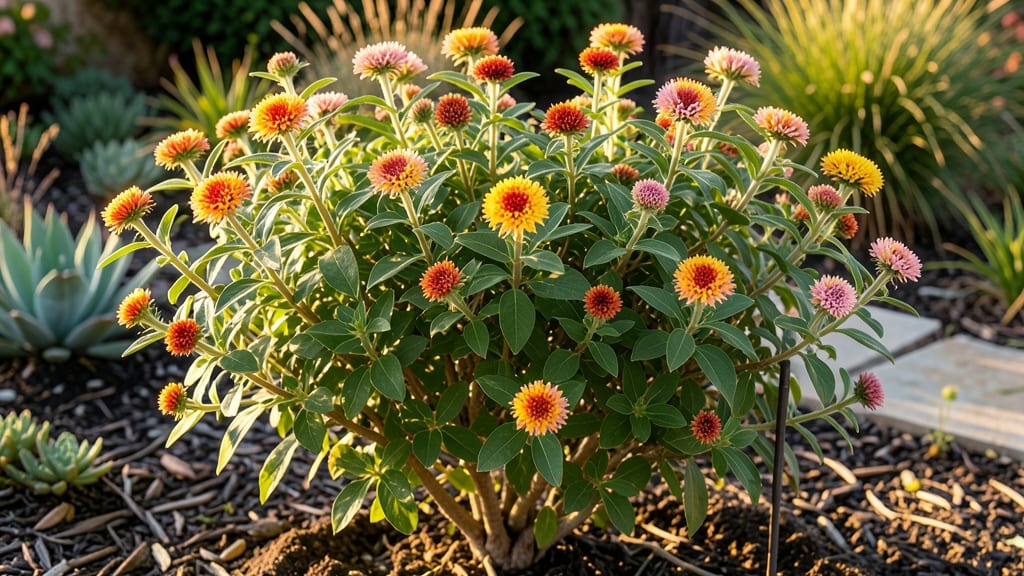
Wondering how tall will lantana grow in your garden? This vibrant 🌺 shrub can reach anywhere from 1 to 6 feet, depending on the variety and growing conditions—but the good news is you can shape it to fit your space with simple pruning techniques.
If you've ever watched lantana stretch toward the sky like an unruly teenager, you're not alone. Some varieties, like the popular Lantana camara, naturally grow taller, while others stay compact. The key to controlling its height lies in understanding its growth habits and giving it the right care.
In this guide, I'll break down exactly what influences lantana's height—from sunlight and soil to pruning timing—and show you how to keep it at your desired size without sacrificing those gorgeous blooms. Let's get your lantana looking its best while keeping it in check.
Whether you're planning a border or just want to tidy up an overgrown plant, these secrets will help you maintain the perfect height for your garden's layout. Ready to take control?


Natural height range of lantana plants and factors that influence growth
If you’ve ever wondered, "How tall will lantana grow?" the answer depends on the lantana variety and growing conditions. Most lantana camara plants—like the popular New Gold or Bandana series—typically reach 3 to 5 feet tall when left unpruned.
However, some dwarf varieties like Lantana montevidensis stay compact at just 1 to 2 feet, making them perfect for containers or borders.
Your lantana’s height isn’t set in stone—it’s influenced by sunlight exposure, soil quality, and even your local climate. For example, lantana grown in full sun (6+ hours daily) tends to grow taller and bushier than those in partial shade.
Meanwhile, well-draining soil with added compost encourages healthier, more controlled growth, while poor soil can lead to leggy, overgrown plants.
Another key factor is pruning habits. Without regular pruning, lantana can easily exceed 5 feet, especially in warm climates like USDA Zones 8–11. But with strategic trimming, you can keep it at a desired height—even as low as 1 foot for a hedge-like appearance.
Understanding these factors helps you predict and manage your lantana’s growth naturally.
| Variety | Height Range | Growth Habit | Ideal Use |
|---|---|---|---|
| Lantana camara (Standard) | 3–5 ft | Bushy, upright | Borders, hedges, mass planting |
| Lantana montevidensis (Dwarf) | 1–2 ft | Compact, trailing | Containers, rock gardens |
| Lantana ‘Bandana’ Series | 2–4 ft | Bushy, multi-colored | Butterfly gardens, pollinator-friendly |
| Lantana ‘New Gold’ | 3–5 ft | Tall, golden blooms | Backyard focal points |
Climate plays a surprising role in lantana’s height. In hot, humid regions (like Florida or Texas), lantana grows faster and taller due to year-round warmth. Conversely, in cooler climates (like Zone 7), growth slows, and plants may max out at 2 to 3 feet unless given extra care.
If you’re in a mild-winter zone, lantana might even bloom and grow year-round, accelerating its height.
Soil drainage is another game-changer. Lantana hates soggy roots, which can stunt growth or cause root rot. Amend heavy clay soil with sand or perlite to improve drainage, and your lantana will reward you with healthier, more controlled growth.
A balanced fertilizer (like 10-10-10) applied in spring and summer also promotes compact, bushy growth rather than tall, leggy stems.
One misconception is that all lantana varieties grow the same. For instance, trailing lantana (like Lantana urticoides) can spread 6 feet wide but stays low—ideal for ground covers. Meanwhile, upright varieties like Lantana camara focus their energy on height.
Knowing your lantana’s growth habit helps you plan spacing and support structures, like trellises or cages, to guide its growth direction.
To predict your lantana’s mature height, observe its first-year growth. If it grows 1–2 feet in its first season, it’s likely a dwarf or semi-dwarf variety. If it shoots up 3+ feet, expect it to reach 4–5 feet without pruning.
Adjust your pruning schedule accordingly—light trims in spring encourage bushiness, while hard pruning in fall resets height for the next season.
For container-grown lantana, height is easier to control. Since roots are confined, plants rarely exceed 2–3 feet unless heavily fertilized. Use larger pots (12+ inches) to prevent root-bound stress, which can lead to stunted or uneven growth.
If your lantana in a pot starts to lean or stretch, it’s signaling a need for more sunlight or repotting.
Remember, lantana’s height isn’t just about genetics—it’s a team effort between you and the plant. By paying attention to sunlight, soil, pruning, and variety, you can steer its growth toward your ideal height, whether that’s a neat 2-foot hedge or a towering 5-foot specimen.
The key is consistency—small adjustments over time yield the best results.
Natural height range of lantana plants and factors that influence growth
Lantana plants are known for their vibrant blooms and fast growth, but their mature height can vary widely depending on the variety and growing conditions. On average, most lantana varieties reach 3 to 5 feet tall, though some can stretch up to 6 feet if left unpruned.
Understanding these natural ranges helps you plan your garden layout and maintenance routine.
The lantana camara, the most popular type, typically grows between 2 and 4 feet, making it ideal for borders or containers.
However, if you’re growing lantana montevidensis (also called trailing lantana), expect a more sprawling habit with heights closer to 1 to 2 feet but with long, trailing stems that can spread up to 6 feet wide. These differences are key when choosing the right variety for your space.
| Variety | Typical Height | Spread | Growth Habit |
|---|---|---|---|
| Lantana camara | 3–5 ft | 3–4 ft | Bushy, upright |
| Lantana montevidensis | 1–2 ft | Up to 6 ft | Trailing |
| Dwarf varieties | 1–2 ft | 2–3 ft | Compact, rounded |
Several factors influence how tall your lantana will grow. Sunlight is critical—lantana thrives in full sun (6+ hours daily), which encourages upright growth. In partial shade, plants may grow taller but leggier as they stretch for light.
Additionally, climate plays a role: lantana grows faster in warm, tropical regions (USDA Zones 8–11) and may stay smaller in cooler climates.
Soil quality also affects height. Well-draining, nutrient-rich soil promotes healthy, compact growth, while poor soil can lead to stunted or overly tall plants. Amend your soil with compost or a balanced fertilizer (like 10-10-10 NPK) to support optimal growth.
Overwatering or inconsistent moisture can also cause uneven growth, making plants reach for stability.
Finally, pruning habits shape lantana’s height. Regular pruning encourages bushier growth, while neglecting it allows stems to elongate. Even a simple light trim after flowering can keep your lantana at your desired height while promoting more blooms.
The key is to balance natural growth with maintenance to achieve the perfect size for your garden.
By understanding these factors, you can predict how tall your lantana will grow and take steps to shape it naturally—whether you want a tall hedge or a compact container plant. 🌺