
How To
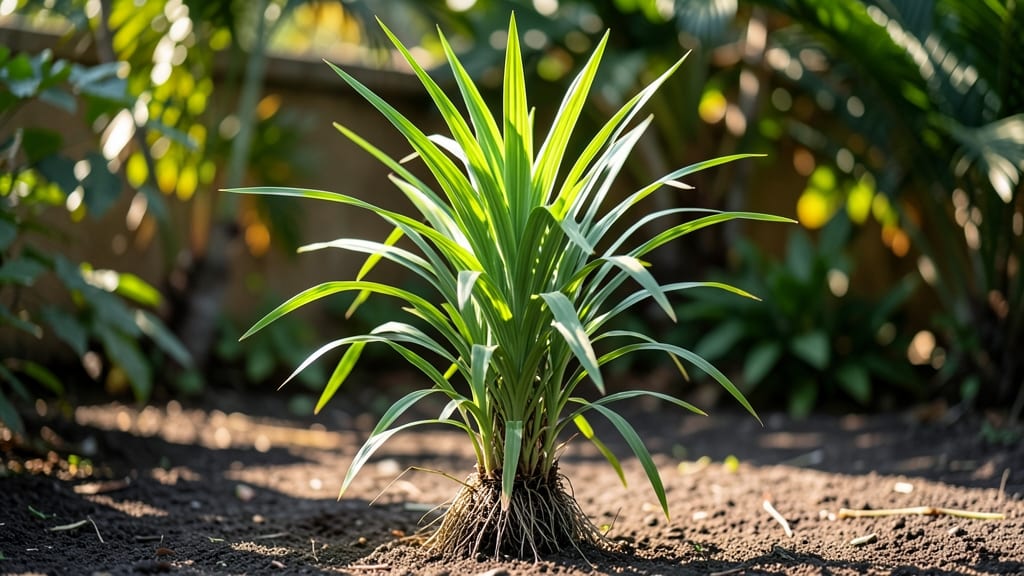
If you're wondering how tall will lemongrass grow in your garden, the answer depends more on its variety and care than you might think. This fragrant 🌿 herb can stretch from just 3 feet to towering heights of 6 feet—or even beyond—with the right conditions.
The key to unlocking its full potential lies in understanding your specific variety and growing environment. Whether you're cultivating it for its culinary aroma or as an ornamental plant, knowing these factors will help you plan your garden layout and maximize your harvest.
From dwarf varieties that stay compact to standard types reaching impressive heights, we'll break down exactly what to expect. Plus, I'll share practical tips to control growth and ensure your lemongrass thrives—no matter how much space you have.
Let's dive into the specifics so you can grow lemongrass that perfectly fits your needs and space. You'll discover how sunlight, soil, and pruning all play a role in determining just how tall your plants will become.


Lemongrass height by variety: exact growth ranges & mature sizes
If you're growing lemongrass for your kitchen or garden, knowing its mature height helps with space planning and harvest timing.
The most common variety, Cymbopogon citratus, typically grows 3 to 6 feet tall, but this can vary widely based on where you live and how you care for it.
In tropical climates, lemongrass often reaches its maximum height of 6+ feet within 6 to 12 months. However, in cooler regions like USDA Zone 6a, growth may slow, with mature plants maxing out at 3 to 4 feet unless given extra warmth and sunlight.
Here’s how different varieties compare—including dwarf types that stay under 3 feet—to help you choose the best fit for your garden or container setup.
🌱 Pro Tip: Lemongrass planted in containers rarely exceeds 3 feet, making it ideal for patios or small spaces.
| Variety | Mature Height (ft) | Growth Habit | Best For |
|---|---|---|---|
| Cymbopogon citratus (Standard) | 3–6 ft | Tall, clumping | Culinary use, tropical gardens |
| Cymbopogon flexuosus (East Indian) | 5–10 ft | Very tall, fast-growing | Essential oils, large gardens |
| Cymbopogon nardus (Citronella) | 4–8 ft | Tall, bushy | Mosquito repellent, borders |
| Dwarf Varieties (e.g., 'Mini Lemongrass') | 1.5–3 ft | Compact, slow-growing | Containers, small spaces |
For culinary lemongrass, the standard Cymbopogon citratus is the go-to choice, but if you're growing it for ornamental purposes or mosquito control, taller varieties like Cymbopogon flexuosus may be better suited for your landscape.
In containers, even standard lemongrass stays shorter—typically 2 to 3 feet—because root growth is restricted. This makes it perfect for balcony gardens or indoor pots near sunny windows.
If you're in a cooler climate, consider planting lemongrass in large containers that you can move indoors during winter. This prevents frost damage and keeps the plant alive for multiple years of harvests.
Another key factor is sunlight exposure. Lemongrass needs at least 6 hours of full sun daily to reach its full height. In shadier conditions, growth slows, and stalks may stay under 3 feet.
For maximum height, pair your lemongrass with well-draining soil rich in organic matter. Amend your garden soil with compost or use a potting mix designed for herbs to encourage robust growth.
Finally, if you're growing lemongrass for harvesting, remember that taller stalks don’t always mean better flavor. The lower 12 inches of the stalk is where the most aromatic oils concentrate, so focus on pruning to encourage bushier growth rather than just height.
How to control lemongrass height: pruning, spacing & container tips
If you're growing lemongrass and want to manage its height—whether to keep it compact or encourage full growth—you’ll need the right techniques. Pruning is your best tool to control height and promote bushier, more productive stalks.
When done correctly, it prevents leggy growth and maximizes your harvest. Let’s break down the exact steps to keep your lemongrass at your desired height.
Spacing also plays a critical role. In-ground lemongrass needs 12–18 inches between plants to avoid competition for nutrients, which can stunt growth. If you’re growing in containers, choose pots that are at least 12 inches deep to accommodate the plant’s root system and prevent overcrowding. Overcrowding leads to weak, tall stems that flop or break easily.
🚨 WARNING: Over-pruning or improper spacing can stress your lemongrass, leading to stunted growth or even death. Always use clean, sharp pruners to avoid disease, and never remove more than one-third of the plant at a time. This ensures your lemongrass stays healthy while you shape its growth.
⚠️ Common Mistakes That Stunt Lemongrass Growth
- Pruning too aggressively: Removing more than 1/3 of the plant at once weakens it.
- Planting too close: Crowding leads to competition for sunlight and nutrients.
- Using small containers: Roots need depth; shallow pots restrict growth.
- Ignoring dead leaves: Letting brown or yellow leaves linger invites pests and disease.
Avoid these pitfalls to keep your lemongrass thriving and at your ideal height.
For bushier growth, prune lemongrass 2–3 inches above the base when stalks reach 12–18 inches tall. This encourages new shoots to sprout from the base, creating a fuller plant.
If you’re growing lemongrass for culinary use, harvest stalks at 12 inches tall—this prevents them from becoming too woody and tough.
In containers, lemongrass will naturally grow taller if the pot is too small, as roots become cramped. Upgrade to a 14–16 inch pot if your plant outgrows its current container.
If you’re growing in-ground, mulch around the base with 2–3 inches of organic matter (like straw or compost) to retain moisture and encourage strong root development, which supports healthier, sturdier stalks.
Finally, fertilize lightly every 4–6 weeks during the growing season (spring and summer) with a balanced 10-10-10 fertilizer. Over-fertilizing can lead to rapid, weak growth, making stalks prone to falling over. Aim for 1 tablespoon per plant and water it in thoroughly to avoid burning the roots.
With these tips, you’ll keep your lemongrass at the perfect height—whether you want a compact, bushy plant or tall, harvest-ready stalks for your kitchen. Happy pruning! ✂️🌿