
Companion Plants
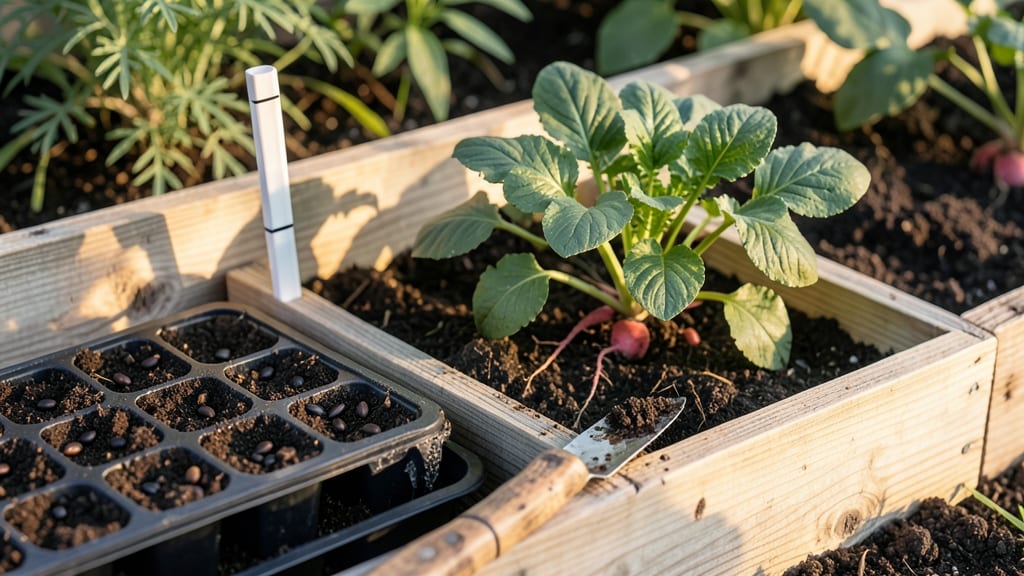
If you’ve ever wondered when can I plant radishes in Zone 5, the answer is simple: timing is everything. Planting your 🥕 too early or too late can mean the difference between a crisp, sweet harvest in just 3 weeks and a disappointing garden flop.
Zone 5’s unpredictable frost dates make radishes tricky, but with the right schedule, you can enjoy fast-growing crops twice a year—once in spring and again in fall.
Whether you’re a beginner or a seasoned gardener, knowing the exact windows for planting (and avoiding common mistakes) will help you skip the guesswork.
In this guide, I’ll break down the ideal planting times for your Zone 5 garden, including how to work around frost, extend your harvest, and pick the best varieties for quick results. No more wasted seeds or bitter surprises—just crisp, ready-to-eat radishes straight from your soil.
Ready to turn your garden into a radish powerhouse? Let’s dive into the frost-free timeline that’ll have you harvesting in no time.
Zone 5 radish planting calendar: exact dates for spring and fall success
In Zone 5, radishes thrive when planted at the right time—either early spring or late summer. The key is avoiding extreme heat or frost, which can turn your crisp radishes bitter or stunted.
With an average last frost date of mid-April and first frost around mid-October, you’ve got two prime windows to plant for a fresh harvest.
For spring radishes, aim to sow seeds 4-6 weeks before your last frost. This typically lands in late March to early April in most of Zone 5. For fall radishes, plant 8-10 weeks before the first frost, usually between mid-August and early September.
Timing these windows ensures your radishes mature before summer heat or winter cold sets in.
Soil temperature is just as critical as air temperature. Radishes germinate best in soil that’s at least 40°F (4°C). If your soil is colder, wait until it warms up—cold soil can delay germination or cause uneven sprouting. Use a soil thermometer to check if you’re unsure.
Here’s a quick breakdown of your Zone 5 radish planting calendar:
If you’re eager to start earlier, you can try winter radishes in Zone 5 by sowing in late August. These varieties, like 'Winter Blood Turnip', tolerate light frost and can be harvested before winter sets in fully.
Just be sure to use row covers if temperatures dip below 20°F (-7°C).
For successive planting, sow radishes every 2 weeks during your planting windows. This ensures a steady supply of fresh radishes and prevents overcrowding. Thin seedlings to 1-2 inches apart once they’re 2 inches tall—this reduces competition and gives roots room to grow.
One common mistake in Zone 5 is planting radishes too late in spring. If you wait until May or June, the heat can cause radishes to bolt (send up a flower stalk) or develop pithy, woody roots.
Stick to the early spring window for the best flavor and texture.
Pro tip: If your soil is slow to warm in spring, use black plastic mulch or straw mulch to speed up soil heating. This can shave off critical days and help you meet your planting deadline. Just remove the mulch once seeds are planted to avoid overheating.
Finally, always check your local frost dates—they can vary slightly by microclimate within Zone 5. Use resources like the Old Farmer’s Almanac or your local Cooperative Extension Service for hyper-local advice.
With the right timing, you’ll enjoy crisp, sweet radishes straight from your garden in just 3-4 weeks! 🥕
How to extend radish season in Zone 5: succession planting and cold protection
Zone 5’s short growing season can feel like a race against time for radishes, but with the right strategies, you can stretch your harvest from early spring to late fall.
The key is succession planting—sowing seeds every 2-3 weeks—to ensure a steady supply of fresh radishes all season long.
Start your first batch 4-6 weeks before your last frost date (typically late March in Zone 5). Then, plant a new batch every 10-14 days until early June. This staggered approach prevents a glut of mature radishes at once and ensures you always have fresh, crisp roots ready to harvest.
For fall crops, begin planting 8-10 weeks before your first frost (usually late August in Zone 5). Choose fast-maturing varieties like 'Cherry Belle' or 'French Breakfast' to guarantee a harvest before winter sets in. Successive plantings every 2 weeks until mid-September will keep your radishes coming.
- Week 1: Plant first batch (late March)
- Weeks 3-4: Sow second batch (early April)
- Weeks 5-6: Final spring batch (mid-April)
- Week 1: Start first fall batch (late August)
- Weeks 3-4: Sow second batch (early September)
- Week 5: Final fall batch (mid-September)
Cold protection is crucial for extending your season. Use row covers or lightweight plastic mulch to shield young plants from late spring frosts or early fall chills. These barriers raise soil temperatures by 5-10°F, accelerating germination and growth while protecting tender seedlings.
Companion planting also helps radishes thrive in Zone 5’s unpredictable climate. Pair them with lettuce, spinach, or carrots to maximize space and deter pests like flea beetles. Avoid planting near cabbage or potatoes, as these can attract the same pests and compete for nutrients.
With these techniques, you’ll enjoy fresh radishes for up to 5 months in Zone 5—from early spring to late fall! The secret lies in planning ahead, protecting your plants, and keeping the soil moist for quick, crisp harvests. 🥕