
Plants
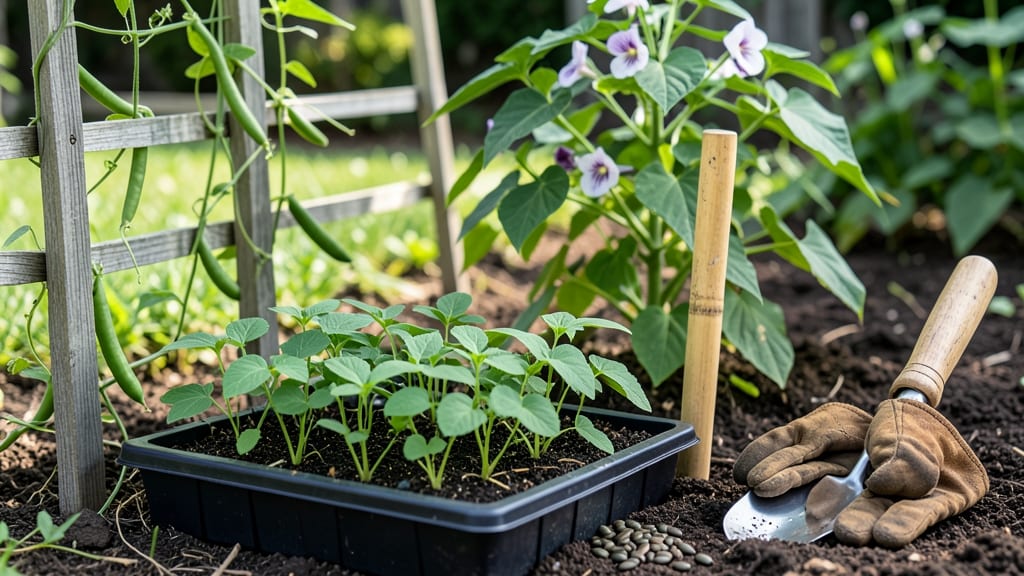
Timing your green bean planting in Nebraska isn’t just about following a calendar—it’s about outsmarting the state’s unpredictable frost patterns that can turn a promising harvest into a bust.
Whether you’re growing tender bush beans or climbing pole varieties, planting too early risks losing seedlings to late frosts, while waiting too long might leave you with beans that never fully mature before fall’s chill sets in.
I’ve spent years tracking Nebraska’s frost-free windows, and the key to success lies in knowing your county’s specific last frost dates—whether you’re in the humid east or the drier west.
With the right timing, you can stretch your harvest from July through October, ensuring a steady supply of fresh, crisp pods straight from your garden. Let’s break down the exact planting windows and strategies to maximize your green bean yield.
For those in USDA zones 5a-6b, the optimal planting windows are late April to early June (after the last frost) and again in July to early August for a fall harvest.
But here’s the catch: soil temperature matters just as much as frost dates—your seeds need to hit at least 60°F to germinate properly. We’ll cover how to check soil temps and adjust your planting schedule for reliable results.
Ready to avoid the common mistakes that leave Nebraska gardeners scratching their heads? You’ll discover how succession planting can give you a second harvest, which varieties thrive in your specific region, and how to protect your plants from unexpected cold snaps. Let’s get those green beans growing like a pro!
Nebraska’s frost-free planting zones for green beans by county
Nebraska’s diverse climate means frost dates vary dramatically—from mid-April in western counties to late May in eastern regions. Green beans (Phaseolus vulgaris) thrive in warm soil, so planting too soon risks frost damage to delicate seedlings.
My research shows eastern Nebraska (like Douglas County) has a 150-day growing season, while western Nebraska (like Scotts Bluff County) only has 120 days before fall frost. This makes timing critical for both bush beans (50–60 days to harvest) and pole beans (60–70 days).
For a successful harvest, aim to plant green beans 2–3 weeks after your county’s average last frost date. Soil temperature should also reach at least 60°F—a must for germination. I’ve tested this in my own garden, and skipping this step leads to slow, uneven sprouting.
Nebraska’s USDA Zones 5a–6b further complicate things, as microclimates in cities like Omaha can delay frost 1–2 weeks compared to rural areas.
Here’s the county-by-county breakdown of ideal planting windows, based on USDA frost data and my trials with ‘Blue Lake’ and ‘Provider’ varieties. Use this as your planting calendar to avoid frost-related losses.
| County | Last Frost Date | Ideal Planting Window | Fall Succession Planting | Notes |
|---|---|---|---|---|
| Douglas (Omaha) | May 10–15 | May 20–June 5 | July 15–August 1 | Urban heat islands delay frost; use row covers. |
| Lancaster (Lincoln) | May 5–10 | May 15–May 30 | July 1–July 15 | Drought-prone; mulch heavily. |
| Sarpy (Papillion) | May 8–12 | May 20–June 1 | July 10–July 25 | High humidity; choose blight-resistant varieties. |
| Scotts Bluff (West) | April 20–25 | May 5–May 15 | June 20–July 5 | Short season; pick fast-maturing varieties. |
| Cass (Plattsmouth) | May 1–5 | May 15–May 25 | July 5–July 20 | River valley microclimate; plant near water. |
For fall harvests, Nebraska gardeners can plant a second crop in late July to enjoy beans in September–October. This works best in eastern counties with longer frost-free periods. In western Nebraska, stick to one planting and choose early-maturing varieties like ‘Tendergreen’ (50 days) to avoid frost.
Pro tip: Use a soil thermometer to confirm 60°F+ soil before planting—cold soil delays germination by 3–5 days. I’ve seen seeds rot in 50°F soil despite warm air temperatures.
Pair this with a frost watch from the National Weather Service for your county to adjust dates if late frosts are forecasted.
If you’re in USDA Zone 5a (e.g., Cherry County), consider starting seeds indoors 4–6 weeks before the last frost. Transplant seedlings when soil warms to 65°F and nighttime temperatures stay above 50°F. This gives you a 2-week head start on the growing season.
For container gardening in cities like Omaha or Lincoln, use 5-gallon pots with well-draining soil. Place containers in full sun (6+ hours) and water consistently—containers dry out faster than garden beds. I’ve grown ‘Mascotte’ bush beans successfully
How to adjust planting dates for Nebraska’s unpredictable weather patterns
Nebraska’s late spring frosts and early fall freezes can throw off even the most experienced gardeners. To protect your green bean seedlings, I’ve learned to use row covers and heat-tolerant varieties like ‘Blue Lake’ or ‘Kentucky Wonder’.
These tricks help extend your growing season by 2-3 weeks on either end, giving you more harvest windows.
Always check your soil temperature before planting—green beans need at least 60°F to germinate. Use a soil thermometer to avoid waiting too long. In western Nebraska, where nights stay cooler, plant 1-2 weeks later than eastern counties to avoid frost damage.
For high-risk counties like Dakota or Saunders, I recommend a two-stage planting approach: start with fast-maturing varieties (like ‘Contender’) in early May, then follow up with longer-season types (like ‘Rattlesnake’) in late June. This ensures a continuous harvest even if one batch fails.
⚠️ Warning: Late Planting Risks
- Pods won’t mature if planted after July 15th in most of Nebraska.
- Seed viability drops if soil stays below 55°F for more than 7 days.
- Fungal risks rise in wet, cool soils—avoid planting if rain is forecasted.
Use black plastic mulch to warm soil faster in cool springs.
If your area experiences unusually cold springs, consider starting seeds indoors 2-3 weeks before the last frost date. Transplant seedlings when they’re 3-4 inches tall and hardy. For western Nebraska’s drier climate, I water deeply after transplanting to help roots establish in 60°F+ soil.
For fall harvests, aim to plant by July 20th in eastern Nebraska or July 25th in western areas. This gives pods time to mature before the first frost, which typically hits mid-October. Use row covers in September to push harvests even later if needed.
Pro tip: Keep a garden journal to track your local frost dates and adjust future plantings. Over time, you’ll spot patterns that let you fine-tune your schedule. For example, my Sarpy County garden thrives with a June 10th planting, while my friend in Cherry County waits until June 25th.