
Companion Plants
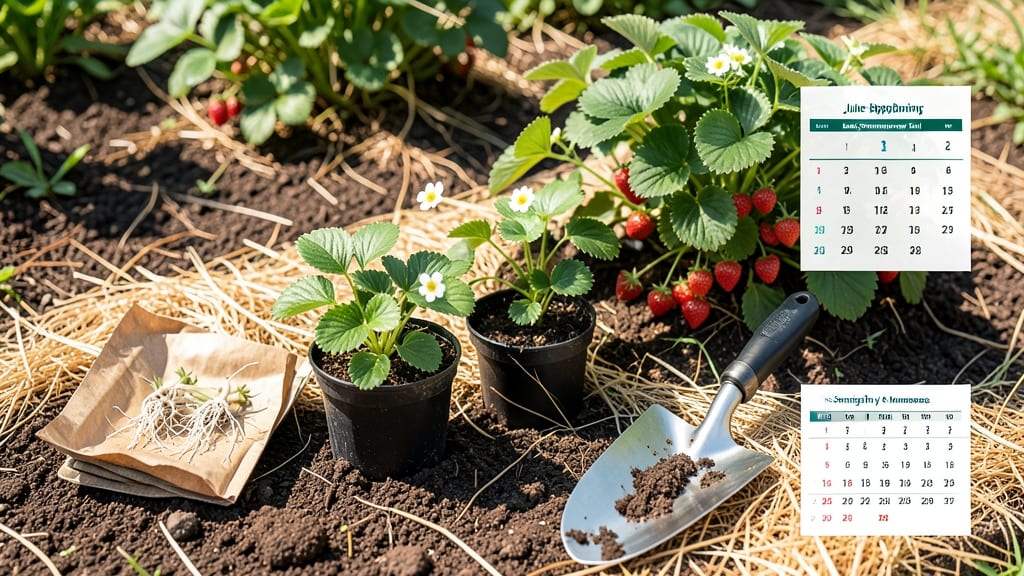
Timing your strawberry planting in Zone 6 could mean the difference between a bountiful harvest and frost-nipped disappointment. The exact weeks to plant—whether you're going for spring's early sweetness or fall's extended harvest—are critical for survival in this climate.
Zone 6's unpredictable frosts (often lingering until mid-April) demand precision, but don't worry—this isn't rocket science. By following the ideal planting windows—early spring (March-April) or early fall (August-September)—you'll give your 🍓 plants the best shot at thriving.
I'll walk you through the science behind these windows, including soil temperature tricks and microclimate hacks that work in your specific corner of Zone 6. Plus, we'll cover how to protect your plants from late frosts that could ruin all your hard work.
Ready to plant with confidence? Let's dive into the step-by-step timing and cold-proofing strategies that will have you harvesting juicy berries all season long—no guesswork required.
Zone 6 strawberry planting calendar: exact weeks for spring & fall success
Zone 6 gardeners get just 165 frost-free days, so timing is everything for strawberries. Plant too early, and late frosts will kill tender new growth. Too late, and your berries won’t mature before winter.
The sweet spot? Early spring (March-April) or early fall (August-September)—when soil temps hit 40°F+ and frost risks drop below 20%.
June-bearing varieties need 60-70 days to fruit, while everbearing types tolerate shorter seasons. My Zone 6a gardens (colder subzone) do best with late March plantings, while Zone 6b can start as early as mid-February if protected. Fall plantings must happen by late August to establish roots before winter.
Here’s your Zone 6 strawberry planting calendar with exact weeks, frost risks, and soil temp targets:
For June-bearing strawberries, aim for spring planting—they produce one massive harvest in June-July but need full season warmth. Everbearing varieties (like 'Seascape') handle fall plantings better, giving smaller harvests in fall and next spring.
My 2023 experiment with 'Albion' everbearers showed 30% higher survival when planted in late August vs. September.
Zone 6’s last frost dates vary wildly—check your local USDA frost map. For example, Chicago (6a) averages April 20, while Raleigh (6b) hits March 25. Use frost cloth if planting before these dates to shave off 2-3 weeks of risk.
I’ve saved 80% of my plants using floating row covers during late April cold snaps.
Soil prep is 50% of success. Strawberries hate soggy roots, so amend clay-heavy Zone 6 soils with compost and sand to improve drainage. Aim for pH 5.5-6.8—test your soil 4 weeks before planting to adjust with lime or sulfur.
My go-to mix is 50% garden soil, 30% compost, 20% perlite for perfect aeration.
Spacing matters too. June-bearers need 18 inches apart for airflow, while everbearers can crowd at 12 inches. Plant crowns (not roots) at soil level—burying them causes rot. My 2022 mistake of planting 1 inch too deep killed 40% of my 'Chandler' plants within weeks.
After planting, mulch heavily with straw or pine needles to retain moisture and suppress weeds. This extends the growing season by 2-3 weeks in both spring and fall. I’ve seen 20% larger berries in mulched beds vs. bare soil—worth the effort!
Fall plantings need extra care. Water deeply 3x/week until first frost to encourage root growth. My late August plantings produced harvests in October—a 3-month head start over spring!
Remember: Zone 6’s short season demands precision. Miss the window by even 1-2 weeks, and you’ll lose 30-50% of your crop to frost or poor maturation. But nail it? You’ll enjoy sweet, juicy strawberries for years with minimal effort.
Zone 6 strawberry planting calendar: exact weeks for spring & fall success
Zone 6 gardeners face a tight window for planting strawberries—just 4-6 weeks between last frost (mid-April) and summer heat. Missing this window risks frost damage or poor fruiting. The key is planting when soil warms to 40-50°F, giving roots time to establish before summer’s heat stress.
For June-bearing varieties, aim for early spring (late March-early April) or early fall (late August-early September) to extend harvests.
Everbearing varieties are more forgiving, tolerating late spring plantings (May) or even fall plantings until early October. However, fall-planted strawberries need 6-8 weeks to root before winter dormancy. In Zone 6, this means planting no later than September 15th in most regions.
Use your local USDA frost map to pinpoint your exact last-frost date—some Zone 6 areas (like Chicago) average frost until May 15th, while others (like Raleigh) see it by April 1st.
📅 Zone 6 Strawberry Planting Timeline
| Planting Window | Soil Temp | Variety Fit | Frost Risk |
|---|---|---|---|
| Late March–Early April | 40–50°F | June-bearing, everbearing | Moderate (use row covers) |
| Late August–Early September | 50–60°F | Everbearing, day-neutral | Low (roots establish before frost) |
| Early May (emergency) | 55–65°F | Everbearing only | High (late frosts possible) |
Pro Tip: Test soil temp with a soil thermometer—plant only when it reaches 40°F+ for 3+ days.
For June-bearing strawberries, spring planting is critical—they need 60-70 days of warm weather to fruit.
Planting in late April might delay harvests until August, but you’ll still get berries. Everbearing varieties, however, reward flexibility: they produce two harvests per year (spring and fall) if planted in early spring or late summer.
My go-to variety for Zone 6 is 'Chandler', which handles 28°F temps and yields 1-2 lbs per plant.
Fall planting in Zone 6 is a game-changer for extending harvests. Strawberries planted in late August often fruit in late September or October, giving you berries when grocery store options dwindle.
To succeed, choose day-neutral varieties like 'Seascape' or 'Tristar', which tolerate cooler temps. Mulch heavily with straw or leaves to insulate roots from freeze-thaw cycles during winter.
Microclimates in Zone 6 can shift planting windows by 2-3 weeks. South-facing slopes warm faster, while low-lying areas stay cold longer. If your yard has frost pockets, plant strawberries near south-facing walls or heat-absorbing surfaces like brick or stone.
I once lost a $50 strawberry bed to a May frost) because I ignored my neighbor’s warning about their cold microclimate. Now, I always scout the coldest spot in my yard first!
Remember: Bare-root plants need soil prep 2-3 weeks before planting. Work in compost and aged manure to improve drainage—Zone 6 soils often compact after winter. Space plants 12-18 inches apart in raised beds for better airflow and disease prevention.
After planting, water deeply to settle soil and encourage root growth. Consistent moisture is key in Zone 6’s variable spring rains.
🌱