
Plants
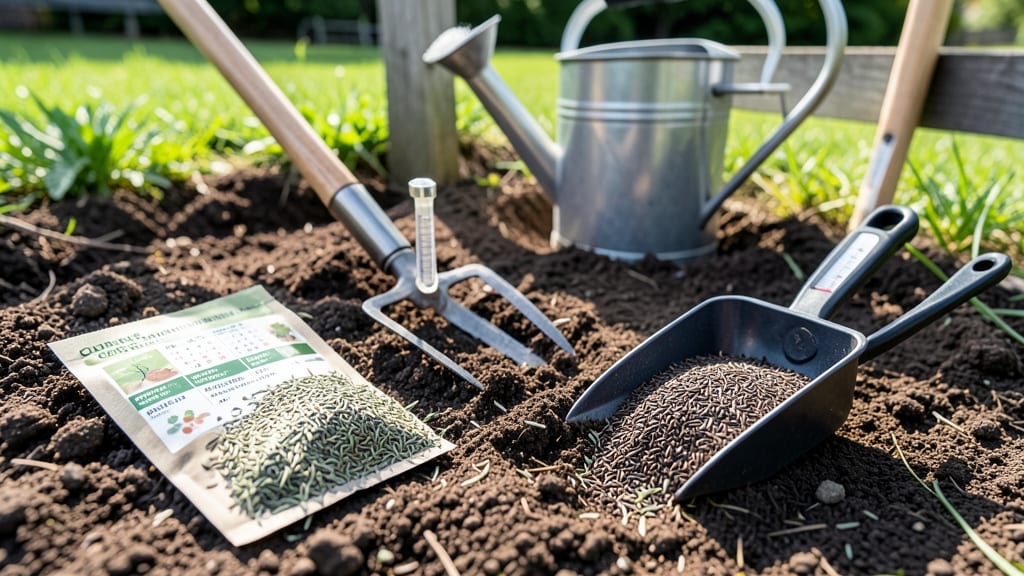
Timing your grass seed planting in Minnesota is the key to a thriving lawn—or a frustrating waste of effort. With frost dates that shift yearly and unpredictable weather, knowing when to plant can feel like guessing.
But here’s the good news: mastering the best windows for spring and fall planting turns uncertainty into success.
The ideal time to plant grass seed in Minnesota varies dramatically between seasons. Spring planting works best from late April through early June, once soil temperatures consistently stay above 50°F.
Meanwhile, fall offers a second chance—September through mid-October—when cool evenings help roots establish before winter. Both seasons avoid the brutal heat of summer and the early frost risks.
Why does this matter? Because planting too early in spring risks frost damage, while waiting too late means your grass won’t have time to grow before winter sets in.
In Minnesota’s USDA Zones 3-5, getting the timing right means the difference between a patchy lawn and one that greens up beautifully year after year.
In this guide, I’ll walk you through the exact planting windows, soil prep tips, and the best grass varieties for Minnesota’s climate. Let’s make sure your lawn gets the strong start it deserves.
Best Minnesota grass seed planting times: spring vs fall compared
Timing your grass seed planting in Minnesota is all about avoiding late frosts and early freezes. The USDA zones 3-5 mean your window is tight—too early, and frost will kill seedlings; too late, and roots won’t establish before winter.
I’ll break down the ideal planting windows for spring and fall, plus how to adjust for Minnesota’s regional microclimates.
For spring planting, aim for late April to early June when soil temperatures consistently stay above 50°F (10°C). In southern Minnesota (like the Twin Cities), this might start as early as mid-April, while northern areas (e.g., Duluth) should wait until May.
The key is 4-6 weeks before your last frost date, which varies by 10-14 days across the state.
Fall planting offers a second chance for a thicker lawn. Seed 4-6 weeks before your first frost, typically September to mid-October. Cool evenings and warm days in September give seeds time to germinate and roots to establish before winter dormancy.
By October, focus on southern Minnesota—northern regions risk early snow cutting the season short.
🌱 Minnesota Grass Seed Planting Timeline
| Season | Ideal Planting Window | Soil Temp Requirement | Key Consideration |
|---|---|---|---|
| Spring | Late April–Early June | 50°F+ (10°C+) | Avoid late frosts; water daily until established. |
| Fall | September–Mid-October | 40°F–60°F (4°C–15°C) | Seedlings need 4–6 weeks to root before frost. |
Minnesota’s climate zones create regional differences. In Zone 3 (north), like International Falls, wait until late May for spring planting—earlier seeds risk frost damage. Meanwhile, Zone 5 (south), such as Rochester, can start as early as April 15th.
For fall, northern MN should finish by September 20th, while southern MN can extend to October 15th.
Microclimates matter too. Urban areas (like Minneapolis) may have warmer pockets due to concrete, while rural or shaded yards stay cooler. If your lawn gets less than 6 hours of sun, opt for shade-tolerant grasses like fine fescue and plant in early fall—they thrive in cooler temps.
One common mistake is planting too early in spring when soil is still cold. Seeds may rot before germinating. Test soil temp with a soil thermometer—it should stay above 50°F (10°C) for 5+ days before seeding.
Similarly, fall planting too late risks seeds sprouting before frost, leaving weak seedlings. Aim to finish 6 weeks before first frost.
For best results, combine timing with proper soil prep. Loosen soil to 1/4 inch deep, remove weeds, and add compost for nutrients. Water lightly daily (keep soil moist, not soggy) until seeds germinate—usually 7-21 days depending on the variety.
After germination, water deeply 2-3 times per week to encourage root growth.
Remember, Minnesota’s weather is unpredictable. Even if you follow the ideal windows, have a backup plan for late frosts. A lightweight frost cloth can protect young seedlings if a late spring frost threatens.
With the right timing, your grass seed will germinate into a thick, resilient lawn ready for Minnesota’s winters.
Best Minnesota grass seed planting times: spring vs fall compared
Timing your grass seed planting in Minnesota is all about avoiding late frosts and early freezes. The ideal windows are late spring (after May 15) and early fall (before October 15). These periods give seeds enough warm soil and cool air to germinate without stress.
Minnesota’s USDA zones 3-5 mean frost dates vary dramatically. Southern regions like the Twin Cities can plant 2-3 weeks earlier than northern areas like Duluth. Always check your last frost date (typically mid-May) and plant 4-6 weeks after.
| Season | Best Planting Window | Soil Temp Requirement | Key Consideration |
|---|---|---|---|
| Spring | Late April–Early June | 50–65°F | Avoid late frosts |
| Fall | September–Mid-October | 60–70°F | 6+ weeks before frost |
Fall planting often yields better results because seeds establish roots before winter. Aim for September 1–October 15, when daytime temps stay above 60°F but nights cool down. This gives grass time to germinate and root before dormancy.
Never plant in summer heat (June–August) or early spring (March–April). Summer seeds dry out too fast, while early spring seeds risk frost damage. Even cool-season grasses like Kentucky bluegrass need stable conditions to thrive.
For northern Minnesota, shift windows 1–2 weeks later due to colder microclimates. Use a soil thermometer to confirm temps—seeds need consistent warmth to sprout. If soil stays below 50°F, delay planting until conditions improve.
Pro tip: Test your soil before planting. Minnesota’s clay-heavy soils benefit from compost or peat moss to improve drainage. A pH of 6.0–7.5 ensures optimal germination for most grass types.