
Plants
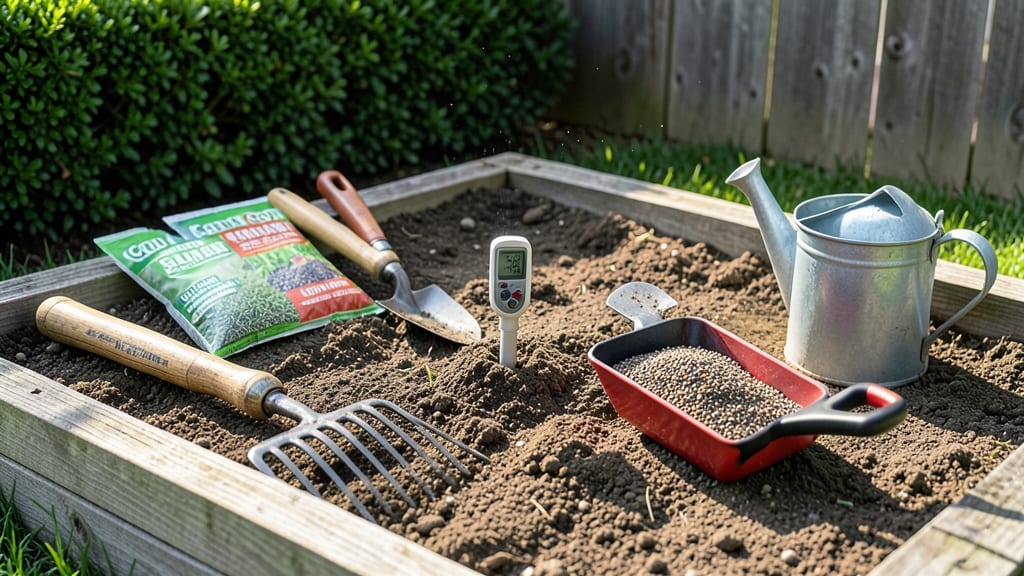
Planting grass seed in Vancouver at the wrong time can leave you with patchy lawns or wasted effort—but getting the timing right means a lush, resilient yard that thrives year after year.
With Vancouver’s 8a climate and coastal weather, understanding the best windows for planting is key to avoiding common mistakes like thin growth or weed takeover.
Whether you’re tackling a new lawn or overseeding an existing one, the ideal months are early spring (March–April) or early fall (September–October).
These periods align with soil temperatures and rainfall patterns that give your 🌱 grass the best chance to establish strong roots before summer heat or winter dormancy sets in.
In this guide, I’ll break down the science behind Vancouver’s planting windows, help you choose the right grass variety for your microclimate, and share pro tips to avoid costly errors. Ready to transform your lawn? Let’s dive into the timing that makes all the difference.
From coastal areas to inland zones, we’ll cover everything you need to know—so you can finally enjoy that green, healthy lawn you’ve been dreaming of. No more guesswork, just results!
Best planting windows in Vancouver: spring vs fall for grass seed success
Vancouver’s coastal climate creates a narrow window for planting grass seed—too early risks frost damage, while late planting leaves seedlings vulnerable to winter. The ideal planting months are April–May (spring) and September–October (fall), but timing depends on your specific microclimate (e.g., Lower Mainland vs. Vancouver Island).
Spring planting gives seedlings a longer growing season before summer heat, while fall planting avoids drought stress and pests. Both seasons offer advantages, but soil temperature and rainfall patterns are critical factors. Let’s break down the pros and cons of each window for Vancouver’s unique conditions.
| Factor | Spring Planting (April–May) | Fall Planting (September–October) |
|---|---|---|
| Soil Temperature | 50–60°F (ideal for germination) | 55–65°F (cooler but still viable) |
| Rainfall | Moderate (April showers) | Higher (fall rains help establishment) |
| Growing Season | 6–8 months before winter | 2–3 months before dormancy |
| Pest Pressure | Moderate (ants, grubs) | Lower (cooler temps deter pests) |
| Best Grass Types | Kentucky Bluegrass, Perennial Ryegrass | Fine Fescue, Creeping Red Fescue |
🌱 Pro Tip: Test soil temperature with a soil thermometer—aim for 50–60°F for best germination.
For spring planting, aim for mid-April to early May after the last frost (typically around April 15). This gives seedlings time to establish before summer heat. Kentucky Bluegrass and Perennial Ryegrass thrive in these conditions, but they require consistent moisture to avoid drought stress.
Fall planting, however, is often more successful in Vancouver because cooler temperatures reduce stress on seedlings. Plant late September to early October, allowing roots to establish before winter dormancy. Fine Fescue and Creeping Red Fescue are excellent choices for fall, as they tolerate cooler soils and require less water.
Vancouver’s Lower Mainland (e.g., Surrey, Langley) has slightly warmer microclimates, so you can push spring planting to late May. Meanwhile, Vancouver Island (e.g., Nanaimo, Victoria) benefits from earlier fall planting (August–September) due to cooler temperatures. Always check your local frost dates to adjust timing.
One critical mistake is planting too late in fall—seedlings may not establish before winter. Conversely, planting too early in spring risks frost damage. Use a planting calendar tailored to your specific area (e.g., Vancouver vs. Whistler) for precision.
Both seasons require proper soil prep, including loosening compacted soil and adjusting pH. Fall-prepped soil benefits from winter rains, while spring soil may need extra amendments to combat winter compaction. The key is balancing timing, temperature, and moisture for a thriving lawn.
If you’re torn between spring and fall, consider fall planting for Vancouver’s climate—it’s less stressful for seedlings and often yields better results. Just avoid planting after mid-October, as cold snaps can stunt growth.
🌿 Ready to plant? Start by testing your soil’s temperature and pH, then choose your grass type based on your lawn’s sun exposure. With the right timing, you’ll have a lush, resilient lawn in no time!
Best planting windows in Vancouver: spring vs fall for grass seed success
Vancouver’s coastal climate creates a narrow window for planting grass seed—too early and you’ll battle spring rains, too late and fall frost stunts growth. The sweet spot? Early spring (April–May) or early fall (September–October), when soil temps hover between 50–60°F and rainfall is balanced.
This timing ensures strong root establishment before summer heat or winter dormancy sets in.
For Lower Mainland gardeners, the last frost date (around April 15) signals spring readiness, while Vancouver Island may wait until May 1 due to cooler microclimates. Fall planting works until October 15, giving seeds 6–8 weeks to root before first frost.
Both windows avoid the peak summer drought and winter waterlogging that plague off-season planting.
🌱 Spring vs Fall Planting Comparison
| Factor | Spring Planting (April–May) | Fall Planting (September–October) |
|---|---|---|
| Soil Temperature | 55–65°F | 50–60°F |
| Rainfall Risk | Moderate (spring showers) | Low (drier late fall) |
| Root Establishment | 6–8 weeks before summer heat | 6–8 weeks before frost |
| Grass Variety | Kentucky Bluegrass, Perennial Ryegrass | Fine Fescue, Creeping Red Fescue |
| Weed Competition | High (spring weeds) | Low (fall weed dormancy) |
💡 Pro Tip: Fall planting often yields thicker lawns with 70% less weed pressure than spring.
Spring planting demands pre-emergent weed control 2–3 weeks before seeding to outcompete crabgrass and dandelions. Use a corn gluten meal (natural pre-emergent) or synthetic herbicide like pendimethalin. In contrast, fall planting benefits from natural weed dormancy, reducing the need for herbicides.
However, soil compaction from fall rains can hinder germination—always aerate 2–3 weeks before planting.
For coastal areas (e.g., West Vancouver), prioritize fall planting due to cooler microclimates that extend the growing season. Inland zones (e.g., Surrey) can push spring planting to late May to avoid late frosts.
Test soil moisture weekly—overwatering in spring leads to fungal diseases, while underwatering in fall causes seed desiccation.
Choose cool-season grasses like Kentucky Bluegrass or Tall Fescue for spring, and Fine Fescue or Creeping Red Fescue for fall. These varieties thrive in Vancouver’s USDA Zone 8a and tolerate acidic soils (pH 6.0–7.0). Avoid warm-season grasses (e.g., Bermuda) unless you’re in a south-facing microclimate with minimal frost risk.
Timing isn’t just about months—it’s about soil conditions. Wait until soil reaches 50°F (use a soil thermometer) and rainfall predictions show 3–5 dry days post-planting. In Vancouver, this often means planting after a dry spell in September or before the April showers peak.
Monitor local weather forecasts for 7-day outlooks to avoid planting during heavy rain events.