
Plants
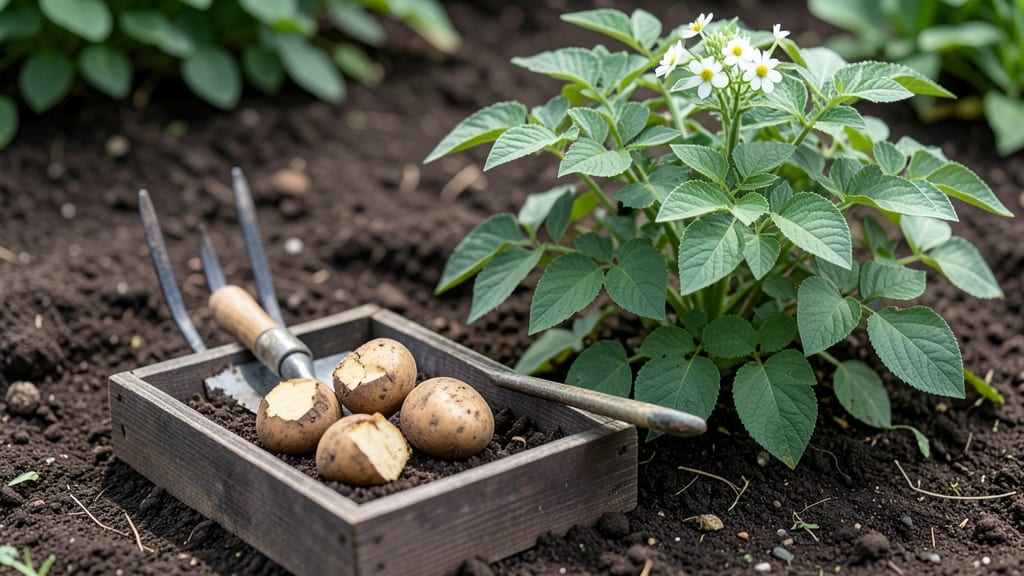
Timing when you can plant potatoes in North Carolina can mean the difference between a bumper crop of crisp 🥔 and a disappointing harvest. The state’s varied climate—from the cool mountains to the warmer coast—means there’s no one-size-fits-all answer, but getting it right is key.
Whether you’re a first-time gardener or a seasoned grower, understanding your local frost dates and soil temperatures is the first step. In most of NC (USDA Zones 6a-8b), you can start as early as February in the southern regions or wait until April in the cooler mountains.
The goal? Plant when the soil reaches a steady 45-55°F—too cold, and your potatoes won’t sprout.
But here’s the twist: some varieties thrive in early spring plantings, while others prefer the milder fall. We’ll break down the best windows for each, plus how to adjust for your specific corner of the state—because what works in Raleigh might not work in Asheville.
Ready to dig in? By the end, you’ll know exactly when to plant for maximum yield, whether you’re working with raised beds, containers, or traditional garden plots. Let’s get growing!
NC potato planting timeline by frost dates and variety
Timing your potato planting in North Carolina depends on two key factors: average last frost dates and variety maturity. The Tar Heel State spans USDA Zones 6b-8a, meaning frost dates vary wildly—from mid-February in the Piedmont to late March on the coast.
Early varieties like Yukon Gold can go in the ground 4-6 weeks before your last frost, while late varieties like Russet Burbank need warmer soil.
Most NC gardeners plant potatoes in two windows: early spring (February-April) and late summer (August-September). Fall plantings are riskier but possible with fast-maturing varieties like Red Pontiac, which can be harvested before winter sets in.
The soil temperature threshold for planting is 45-55°F—if it’s colder, your seed potatoes won’t sprout.
Here’s how to align your planting with NC’s frost zones and variety types for maximum yield:
| Variety Type | Days to Maturity | Planting Window (NC) | Soil Temp Requirement | Harvest Window | Best For |
|---|---|---|---|---|---|
| Early (e.g., Red Norland) | 60-90 days | Feb 15 - Mar 15 (Piedmont) Mar 1 - Apr 1 (Coast) |
45-50°F | May - June | Spring harvests, fresh eating |
| Mid-season (e.g., Yukon Gold) | 90-110 days | Mar 1 - Apr 1 (Piedmont) Mar 15 - Apr 15 (Coast) |
50-55°F | June - July | Storage, baking, all-purpose |
| Late (e.g., Russet Burbank) | 110-130 days | Apr 1 - May 1 (Piedmont) Apr 15 - May 15 (Coast) |
55°F+ | July - August | Long storage, frying |
| Fall (e.g., Red Pontiac) | 60-80 days | Aug 1 - Sep 15 | 50-55°F | Oct - Nov (before frost) | Quick harvests, fresh eating |
For mountain regions like Asheville, where frosts linger later, wait until April 15 for early varieties. Conversely, the coastal plain (e.g., Wilmington) can plant Red Norland as early as February 20 if soil temps are right. Pro tip: Use a soil thermometer to confirm readiness—don’t guess!
If you’re unsure about your local frost date, check the NC State Climate Office or use the Almanac’s Frost Calculator for your ZIP code. Planting too early risks frost damage to sprouts, while waiting too long cuts your harvest window. Balance is key for NC’s variable climate.
Another strategy? Try successive planting: sow early varieties in February, mid-season in March, and late varieties in April. This stretches your harvest from May through August. Just ensure each batch gets 6+ hours of sunlight daily—potatoes are sun-worshippers!
For container gardening in NC, use 5-gallon buckets and plant in late April when soil warms. Containers heat up faster, so monitor moisture closely—drought stress = smaller tubers. Add compost to the mix for better drainage and nutrient retention.
Remember: Potatoes need consistent moisture but hate soggy soil. Mulch with straw after sprouts emerge to retain moisture and
Soil temperature and depth requirements for NC potatoes
North Carolina’s chilly springs and mountain valleys can delay soil warming, so checking soil temperature is key before planting potatoes. Aim for 45-55°F—any colder, and germination slows or fails entirely.
In coastal areas, soil may warm by mid-February, while mountain regions often wait until late March or April.
Use a soil thermometer to test 2-3 inches deep—this is where seed potatoes will sit. If temperatures fluctuate below 40°F, cover beds with black plastic mulch for 2-3 weeks to accelerate warming. This trick works especially well in USDA Zone 6b areas like Asheville.
Cold soil (below 45°F) causes rotten seed potatoes and poor tuber formation. Wait until soil reaches 50°F+ for best results, especially for late-maturing varieties like Russet Burbank.
🌱 Pro Tip: Test soil temp for 3 consecutive days at the same time (morning is best) before planting.
Depth matters just as much as temperature. Plant seed potatoes 3-4 inches deep, with the eyes facing upward. Deeper planting (5+ inches) can lead to stunted tubers, while shallow planting (2 inches) exposes them to light, causing green (toxic) skin.
Use a hand trowel to create furrows and space potatoes 12 inches apart in rows 30-36 inches wide.
In sandy soils (common in coastal NC), add 2-3 inches of compost to the planting hole to retain moisture. For clay-heavy soils (like those in the Piedmont), mix in peat moss or coconut coir to improve drainage. Both amendments help prevent waterlogged tubers, which rot quickly.
If you’re planting in containers, use a deep pot (12+ inches) with drainage holes. Fill with a mix of 50% potting soil and 50% compost, and keep the soil consistently moist—containers dry out faster than in-ground beds.
This method works well for early varieties like Yukon Gold in urban gardens.
After planting, mulch heavily with straw or grass clippings (4-6 inches thick) to maintain even soil temps and suppress weeds. Remove mulch 2 weeks before harvest to let tubers cure in the soil. In hot summers, mulch also prevents scab disease, a common issue in NC’s humid climate.