
Plants
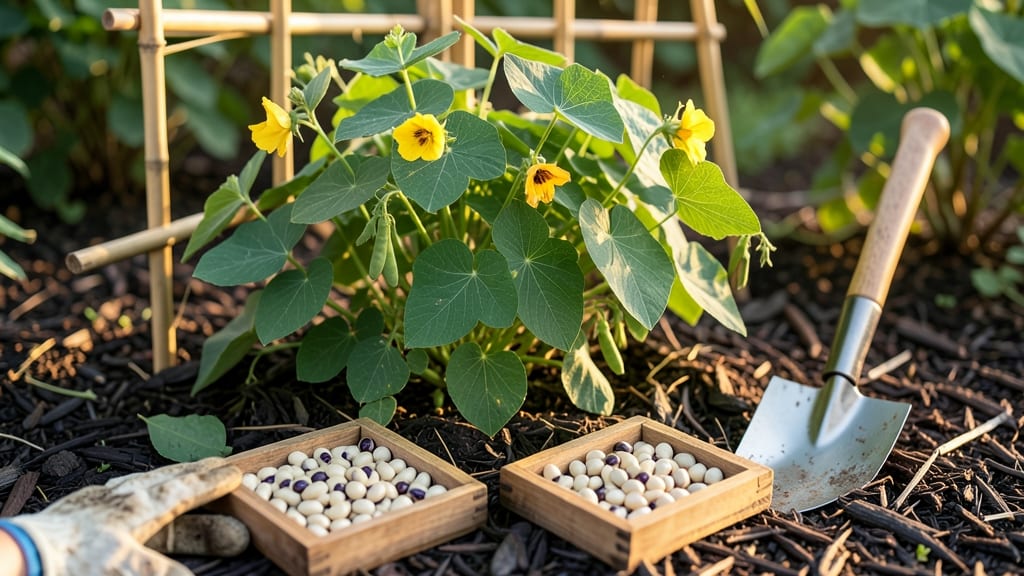
Planting black-eyed peas in Texas isn’t just about following a calendar—it’s about outsmarting the heat and avoiding those sneaky late frosts that can turn your garden dreams into a sad, wilted mess. 🌱 The right timing means the difference between a bumper crop of tender pods and a patch of struggling plants that never quite make it.
Texas gardeners know the drill: spring and fall are your golden windows, but exact dates vary wildly from North to South Texas. Whether you’re in Zone 8a or 10b, planting too early risks frost damage, while waiting too long can leave you scrambling as summer’s brutal sun sets in.
Let’s break down the microclimate-specific rules that’ll help you nail those perfect planting dates—so you can enjoy fresh peas from May to December.
Here’s the secret: black-eyed peas are annuals in Texas, meaning they’ll give you one stellar harvest if you play by the rules. But those rules aren’t one-size-fits-all.
We’re talking soil temps that need to hit 60°F+, frost dates that shift by hundreds of miles, and companion plants that can boost your yield. Ready to stop guessing and start growing? Let’s dive into the exact timing and tricks that’ll turn your Texas garden into a pea powerhouse.
From late February to early March for spring plantings—or September to early October for fall—you’ll learn how to sync your schedule with your local climate. Plus, we’ll cover spacing, soil prep, and even how to stretch your season with succession planting.
No more wasted seeds or missed harvests—just a garden that delivers, Texas-style.
Texas black eyed pea planting calendar by region: frost dates and soil temperature guidelines
Texas’s vast size means your black-eyed pea planting window varies dramatically from North Texas to South Texas. In Zone 8a (Panhandle), last frosts can hit as late as March 15, while Zone 10b (Rio Grande Valley) rarely sees frost at all.
Soil temperature is your true guide—black-eyed peas won’t germinate until soil reaches 60°F.
For spring planting, aim to sow seeds 4-6 weeks before your last frost date. In fall, plant 60-90 days before the first frost to ensure mature pods before winter sets in.
Texas’s long growing season lets you try two harvests per year—spring and fall—if you time it right.
Microclimates matter. A valley location may frost 2 weeks later than a hilltop, while urban areas can trap heat, extending your season. Always check your local AgriLife Extension frost maps for precision.
| Texas Region | USDA Zone | Last Frost Date | First Frost Date | Spring Planting Window | Fall Planting Window |
|---|---|---|---|---|---|
| North Texas (Dallas/Fort Worth) | 8a | February 15 | December 1 | Late February - Early March | September 1 - September 15 |
| Central Texas (Austin/San Antonio) | 8b | February 1 | November 15 | Late February - Mid-March | September 15 - October 1 |
| South Texas (Houston/Corpus Christi) | 9a | January 15 | November 1 | Late January - Early February | September 1 - September 30 |
| Far South Texas (Brownsville/McAllen) | 10b | None (rare frost) | None (rare frost) | Year-round (with shade) | August - October (best harvest) |
In North Texas, where frosts linger, opt for cold-hardy varieties like 'Purple Hull' or 'Texas Cream'. These can tolerate brief chills down to 28°F, giving you a 10-day head start before non-hardy types. Always test soil temperature with a soil thermometer—60°F is non-negotiable for germination.
For fall harvests, prioritize fast-maturing varieties like 'Black Valentine', which reaches maturity in 55-60 days. Plant these 90 days before your first frost to ensure pods don’t toughen in cold. South Texas gardeners can push fall planting into early October thanks to warmer nights.
Remember: Texas heat after June 1 can stress black-eyed peas, causing pods to mature too fast or seeds to shrivel. If you miss the spring window, fall is your backup—but don’t wait past October 15 in most regions.
Pro tip: Use black plastic mulch to warm soil 5-10°F faster in early spring, letting you plant 2 weeks earlier without frost risk. Just remove it once soil hits 70°F to avoid overheating roots.
🌱
Texas black eyed pea planting calendar by region: frost dates and soil temperature guidelines
Texas’s diverse climate means black-eyed peas thrive in different regions—if you plant at the right time. North Texas faces later frosts, while South Texas can start earlier. The key is soil temperature (wait until it hits 60°F+) and avoiding late frost risks that can kill young plants.
Let’s break it down by zone so you can align your planting with Texas’s unpredictable weather patterns.
For North Texas (USDA Zones 8a-8b), aim for late March to early April for spring plantings. Soil should be 65°F+ to ensure quick germination. Fall plantings go in mid-September to early October, giving pods time to mature before the first frost (usually December 1).
In Central Texas (Zone 8a-9a), you can start 2-3 weeks earlier—early March for spring and late August for fall—thanks to milder winters.
🌱 Texas Black Eyed Pea Planting Calendar
| Region | Spring Planting Window | Fall Planting Window | Soil Temp Threshold | Last Frost Date |
|---|---|---|---|---|
| North Texas | Late March–Early April | Mid-September–Early October | 65°F+ | February 15 |
| Central Texas | Early March–Mid-March | Late August–Early September | 60°F+ | February 1 |
| South Texas | Late February–Early March | September–Early October | 58°F+ | January 15 |
💡 Pro Tip: Use a soil thermometer to confirm warmth before planting—cold soil delays germination.
In South Texas (Zones 9a-10b), you can push the envelope with late February to early March plantings for spring, thanks to warmer soils. Fall plantings here stretch into early October, with first frosts rarely hitting until November 1.
For all regions, succession planting every 2-3 weeks after your initial date ensures a steady harvest. Just remember: black-eyed peas hate cold, so never plant before soil warms up!
Microclimates matter too. If you’re in a valley or low-lying area, frosts linger longer—wait until April 1 for spring plantings. Conversely, elevated areas (like Hill Country) can plant 2 weeks earlier. Always check your local AgriLife Extension for hyper-local frost data, as Texas’s weather is famously unpredictable.
For container gardening, start seeds indoors 4-6 weeks before your region’s outdoor planting window. Use biodegradable pots to transplant seedlings without disturbing roots. Containers warm up faster than ground soil, so you might shave 1-2 weeks off your outdoor planting timeline.
Timing isn’t just about frost—it’s about heat stress too. In North Texas, summer heat arrives by June, so fall plantings must mature by November. In South Texas, the window narrows further: aim for harvest by October to avoid wilting vines.
Plan accordingly, and your black-eyed peas will reward you with a bountiful, homegrown harvest.